36 Kilometres: From Home to Work
At the end of 2020, I moved from central Guangzhou to a suburban district approximately 36 kilometres from my workplace and 50 kilometres from the city centre. The area is often described as a “sleeping city”: every morning, large numbers of residents leave for work across Guangzhou; at night, they return along similar routes to rest before the cycle begins again. Located at the urban periphery, it functions as a vast space for accommodating bodies exhausted by labour and commuting.
When I first moved there, I felt disappointed. The surrounding apartment blocks, roads, shopping centres, and public facilities appeared ordinary and repetitive, with little of the visual appeal conventionally associated with urban life. My own routine became equally fixed: leaving the residential compound each morning, travelling for more than an hour by metro, arriving at my desk, and retracing almost the same route at night. Gradually, the 36 kilometres between home and work became the basic scale through which I understood the city.
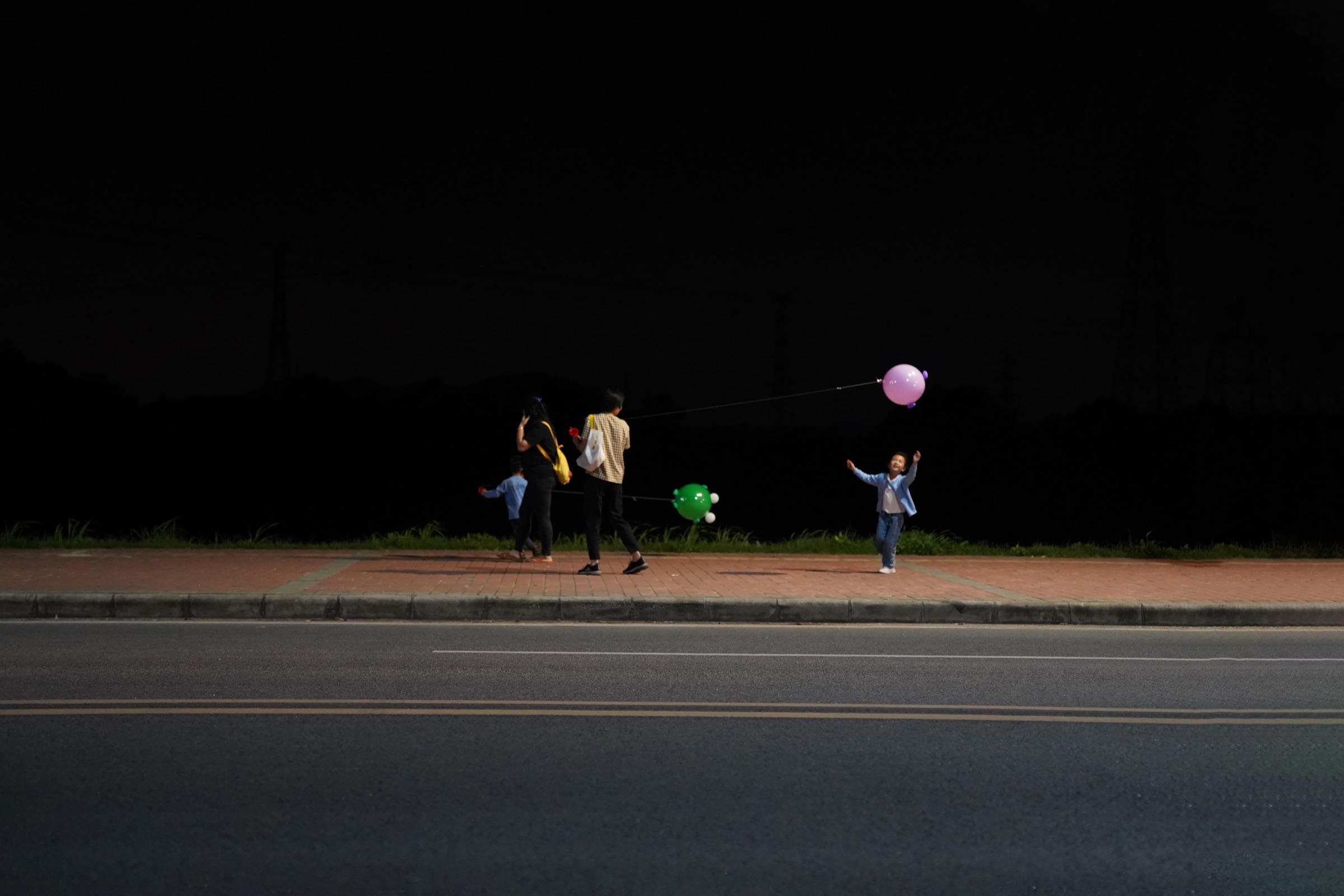
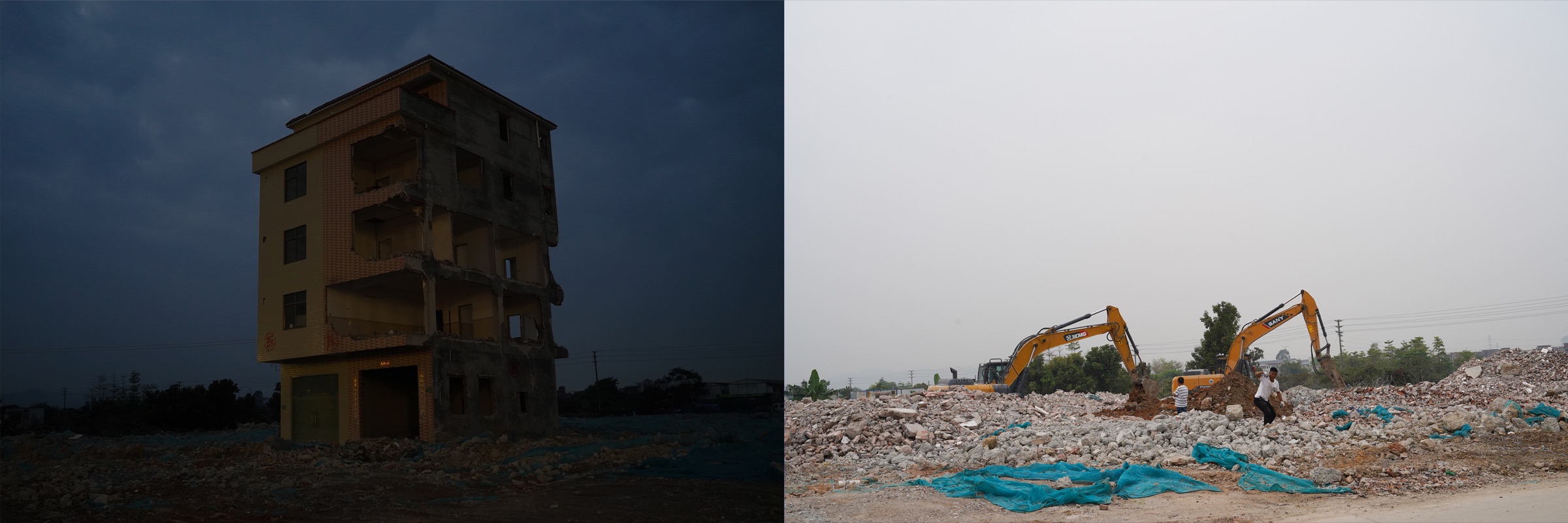
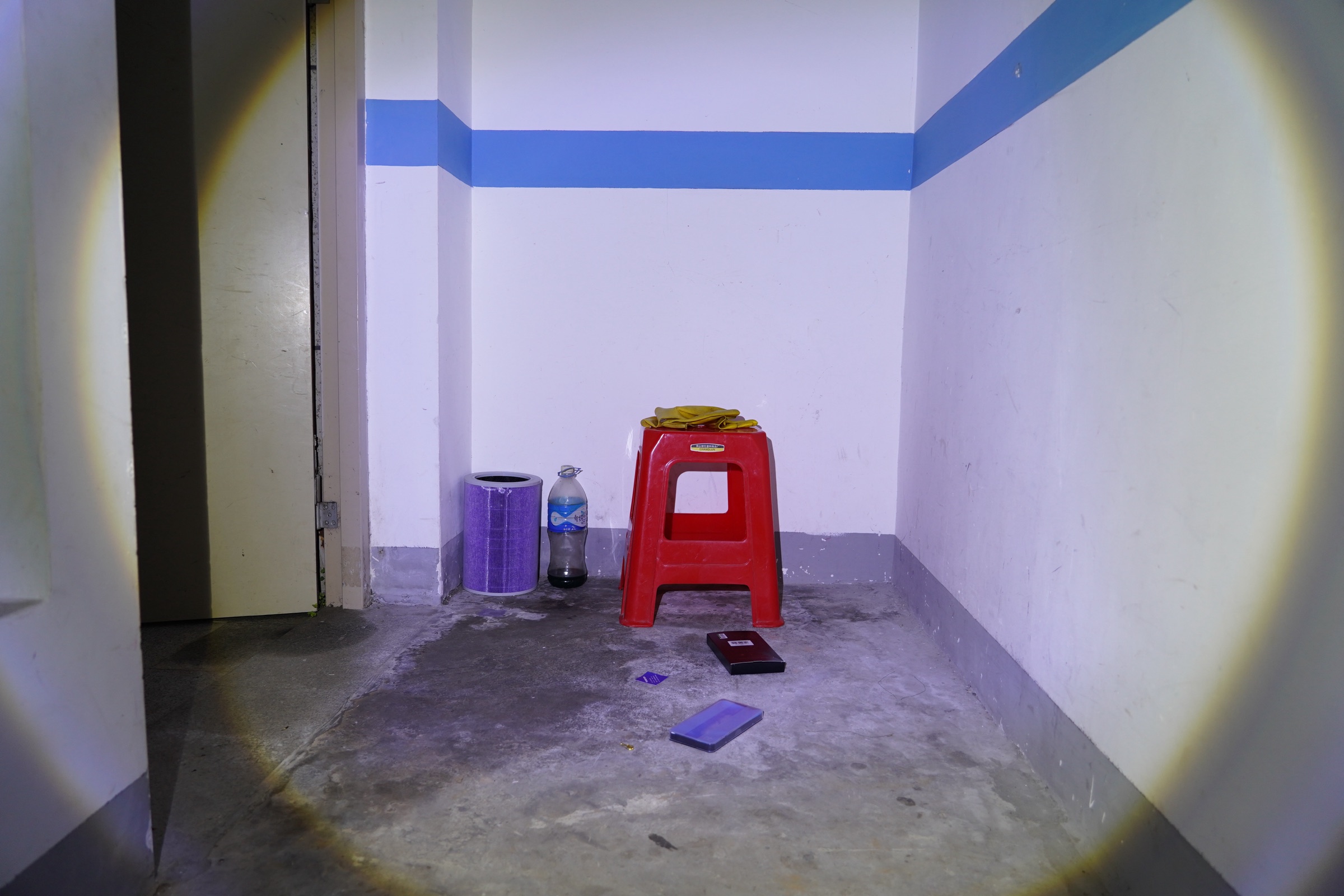
During these repeated journeys, I began to observe scenes that were easily overlooked: residential buildings illuminated at night, silent commuters inside metro carriages, delivery riders propelled through the streets by successive orders, temporary resting places used by sanitation workers, and the everyday activities of suburban residents within limited public spaces. These people and places rarely contain dramatic events, yet together they sustain the city’s daily operation.
36 Kilometres: From Home to Work consists of several interconnected photographic projects. Through long-term observation, fixed viewpoints, sequential photography, image stitching, and written notes, I extend a personal commuting experience into an examination of life at the urban periphery. The 36 kilometres represent both a measurable geographical distance and a social route passing through housing, labour, transportation, and rest.
The series considers how the city distributes space, time, and physical bodies, as well as how people construct their lives within repetitive institutional rhythms. Photography becomes a method of redistributing attention: pausing at places that are repeatedly passed yet rarely examined, and observing how the structure of the city becomes visible through ordinary moments.
Works in this series
05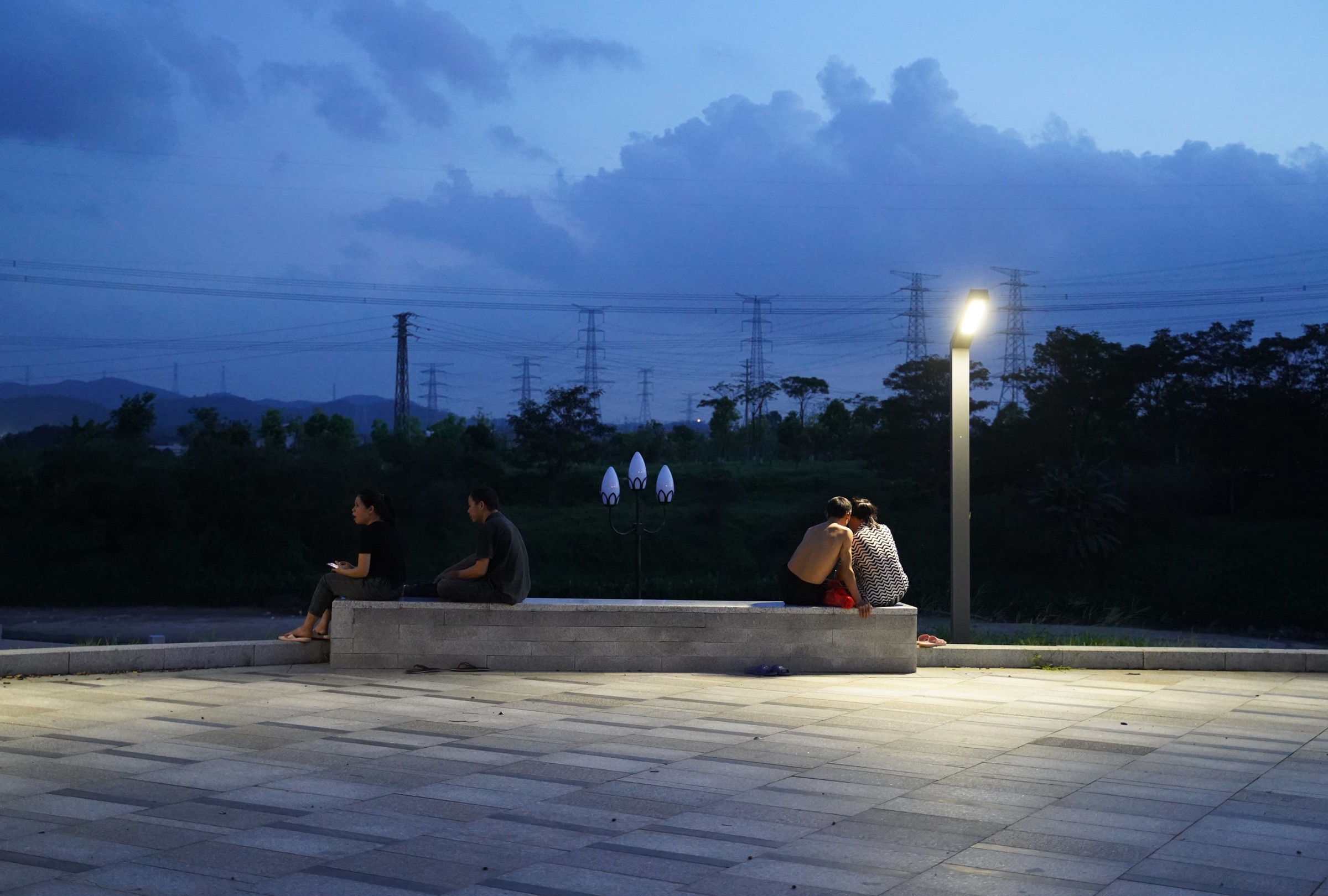
The commute route
Guangzhou Metro Line 21 · Fenggang to Tianhe Smart City
11 stations · drag to explore · scroll to zoom