Experiences of the Countryside
Experiences of the Countryside is one of the recurring themes in my practice. Here, “the countryside” does not refer to a single hometown or geographic location. It describes a wider field of experience shaped by land, family, migration, labour, and demographic policy. The works were developed in different situations—from returning home during the Spring Festival and volunteering in a rural community to observing the living spaces of Chinese migrant workers in Singapore. I begin with these specific places to consider how people leave, return, move across borders, and rebuild relationships with land and family within changing social structures.
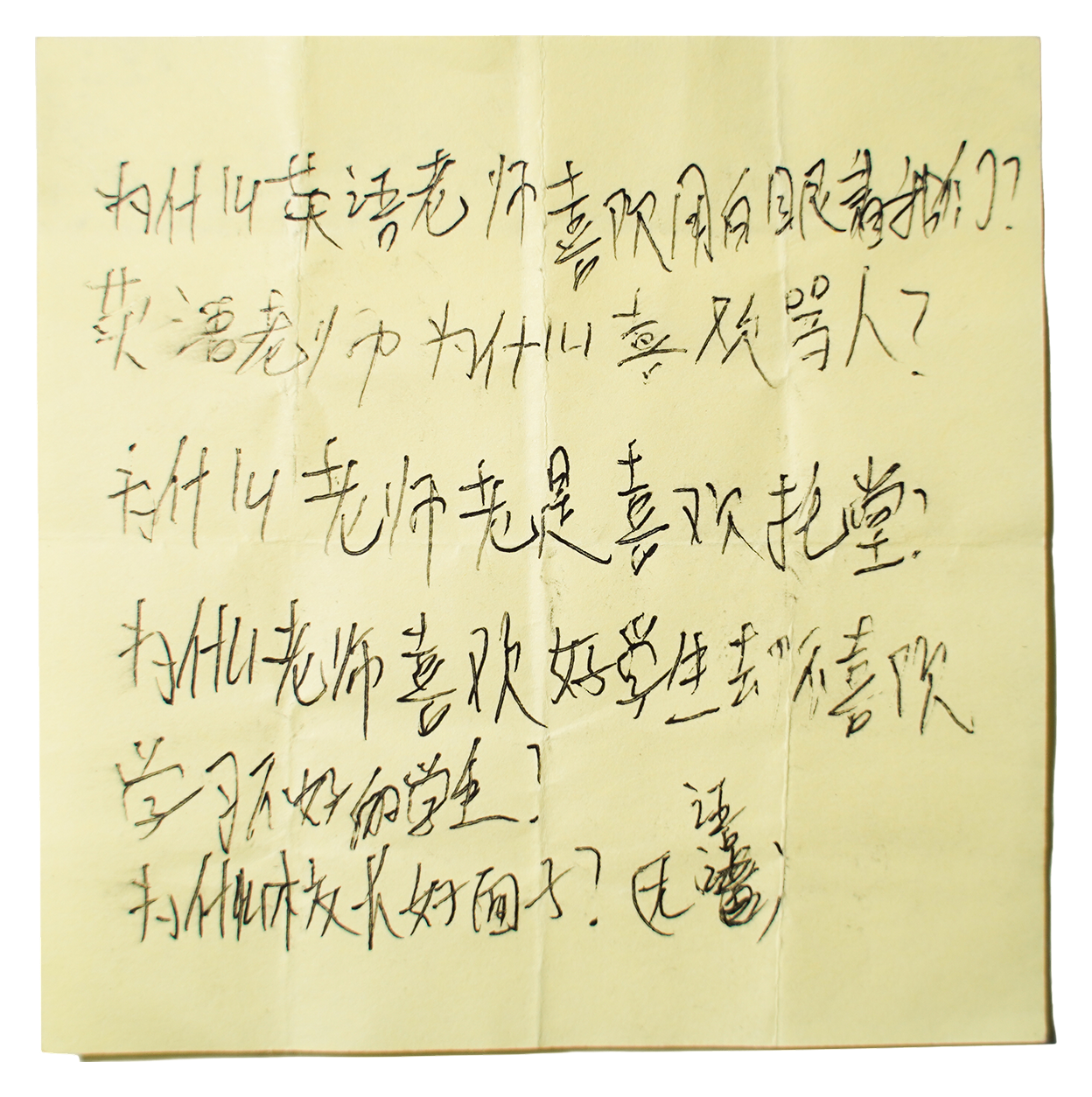
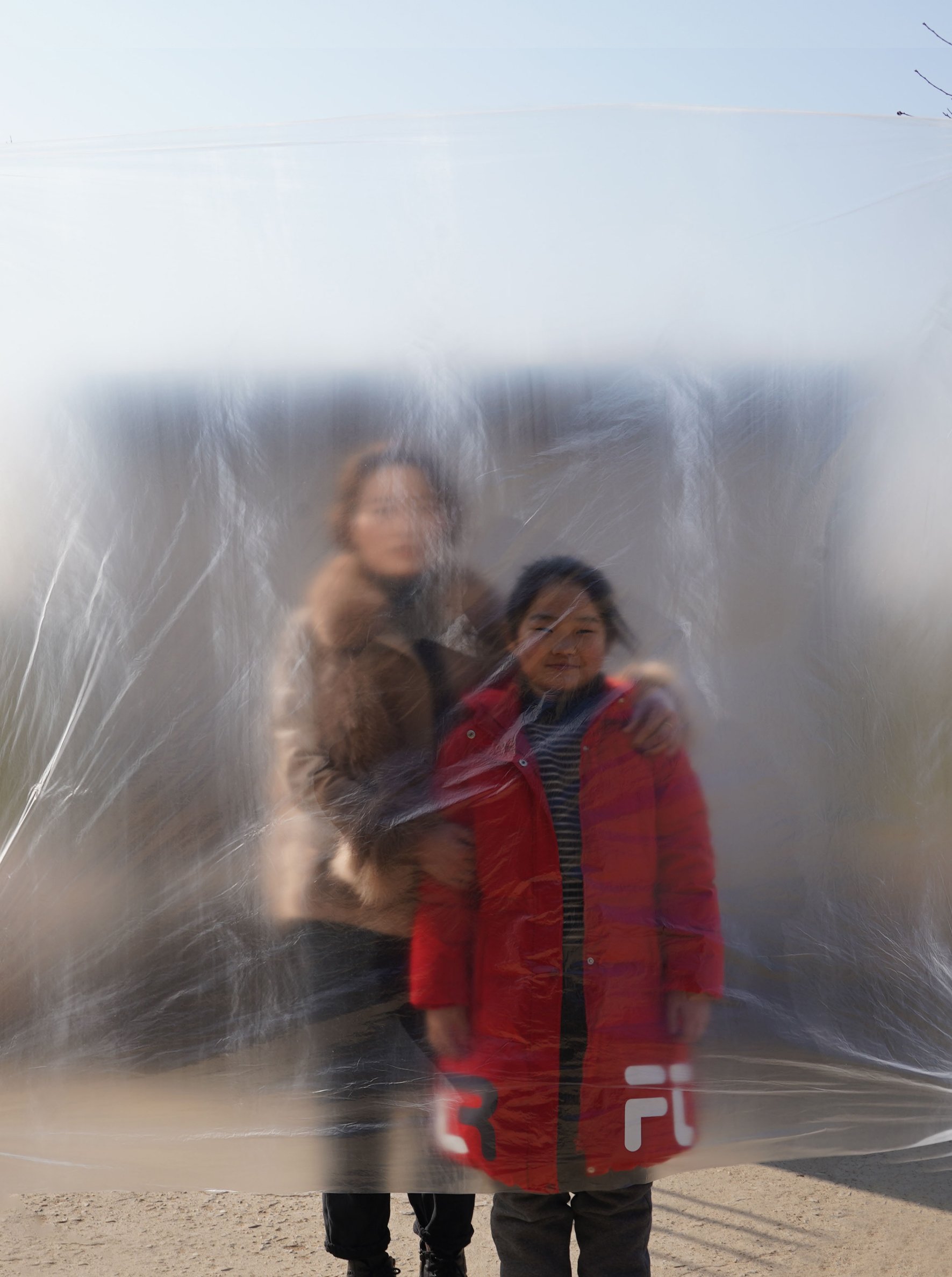
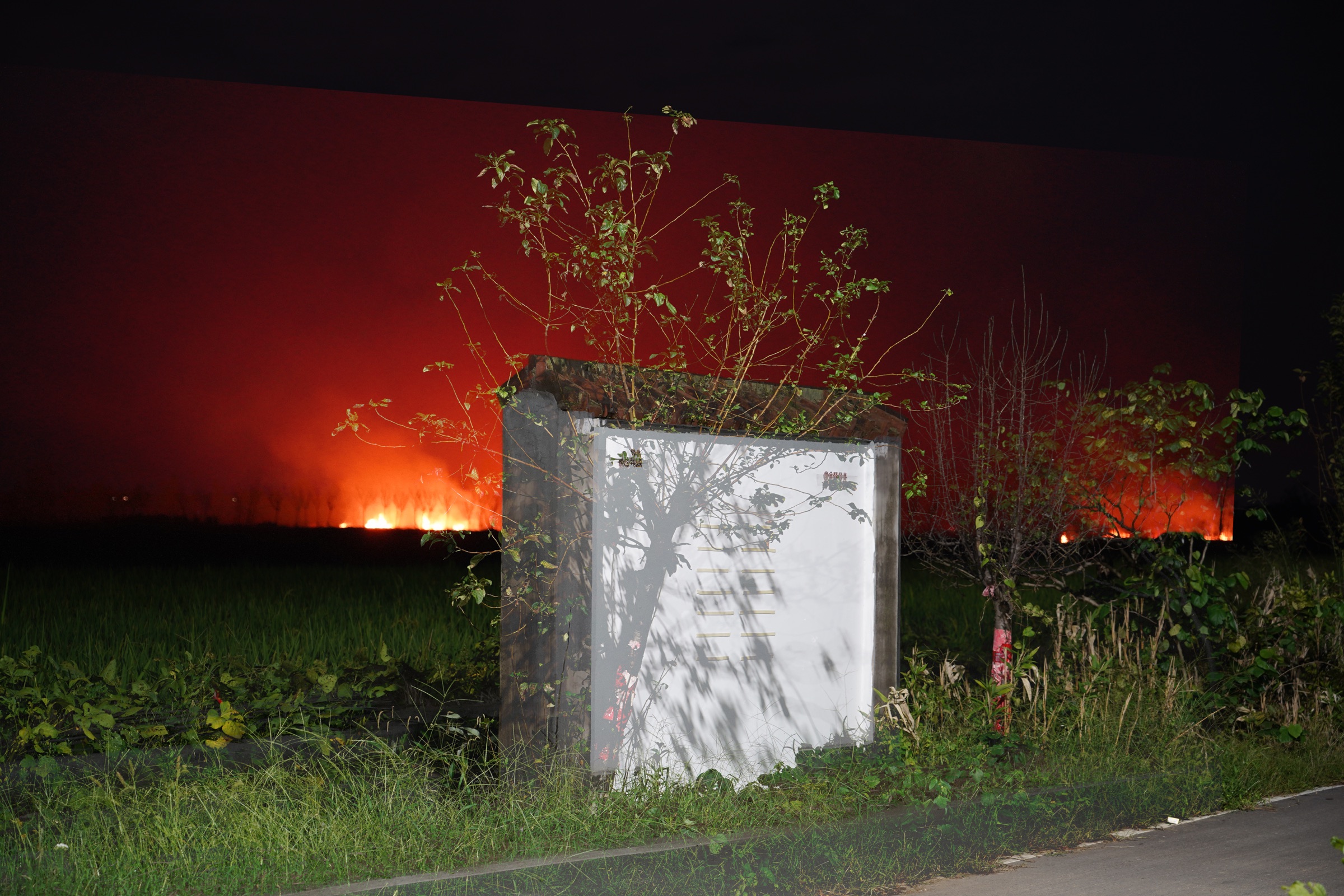
The series includes The Question of Left-Behind Children, Luxury Hotel, The Second Child’s Second Child, and The Burning Prairie. The Question of Left-Behind Children grew out of a volunteer teaching experience in a rural community and focuses on children growing up while their parents work elsewhere. Luxury Hotel begins with the living spaces of migrant workers in Singapore, examining labour, displacement, and aspirations for a better life. Through family photographs and generational relationships, The Second Child’s Second Child considers the continuing effects of China’s one-child policy on family structure. The Burning Prairie follows the land through cycles of cultivation, burning, dormancy, and renewal.
Although these works were made in different places and concern different groups of people, they are connected by a shared question: how does hometown continue to exist after people leave it? Migration reshapes rural communities and family life; public policy enters intimate relationships; and the land retains traces of time at a slower pace. Returning during the Spring Festival allows me to observe these changes from a position between familiarity and distance.
Within the series, hometown remains in a continuous process of transformation. It is rewritten through departure, absence, new generations, changing uses of land, and inherited memories. Photography becomes a way of tracing these changes and understanding how personal histories intersect with migration, labour, population policy, and rural society.