Writing in an Abandoned Factory District
Part of Experiences of the City
- Year
- 2024
- Medium
- Photography
- Dimensions
- Dimensions variable
Jiushuikeng in Guangzhou was once one of the most densely industrialised areas in the Pearl River Delta, where large numbers of migrant workers lived and worked. I first learned about the area through Lü Tu’s book New Chinese Workers: The Lives of Women Workers. By the time I visited, many factories had already closed or relocated. The dense rhythms of production and migration had given way to vacant buildings, rental notices, and increasingly quiet streets.
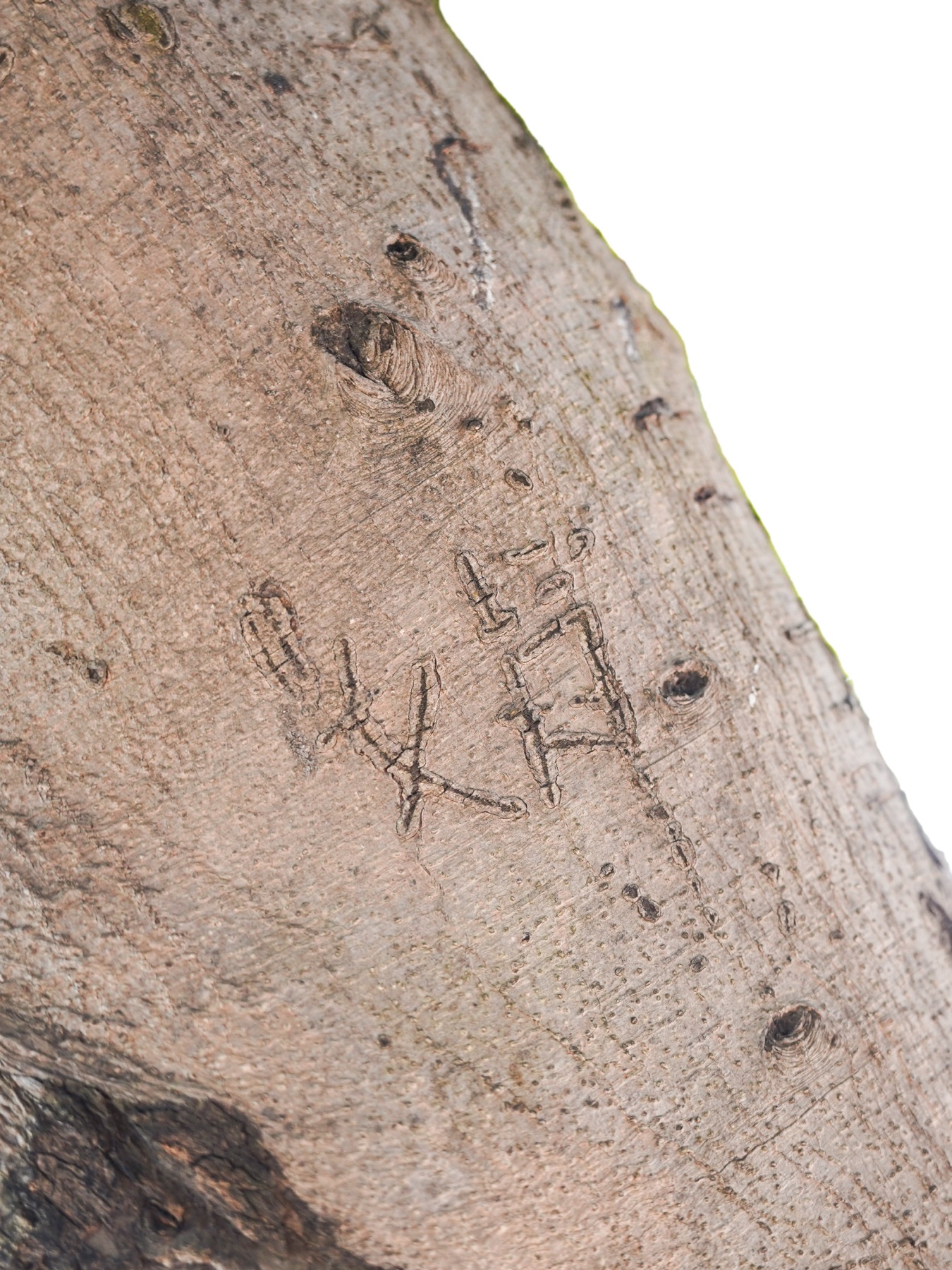
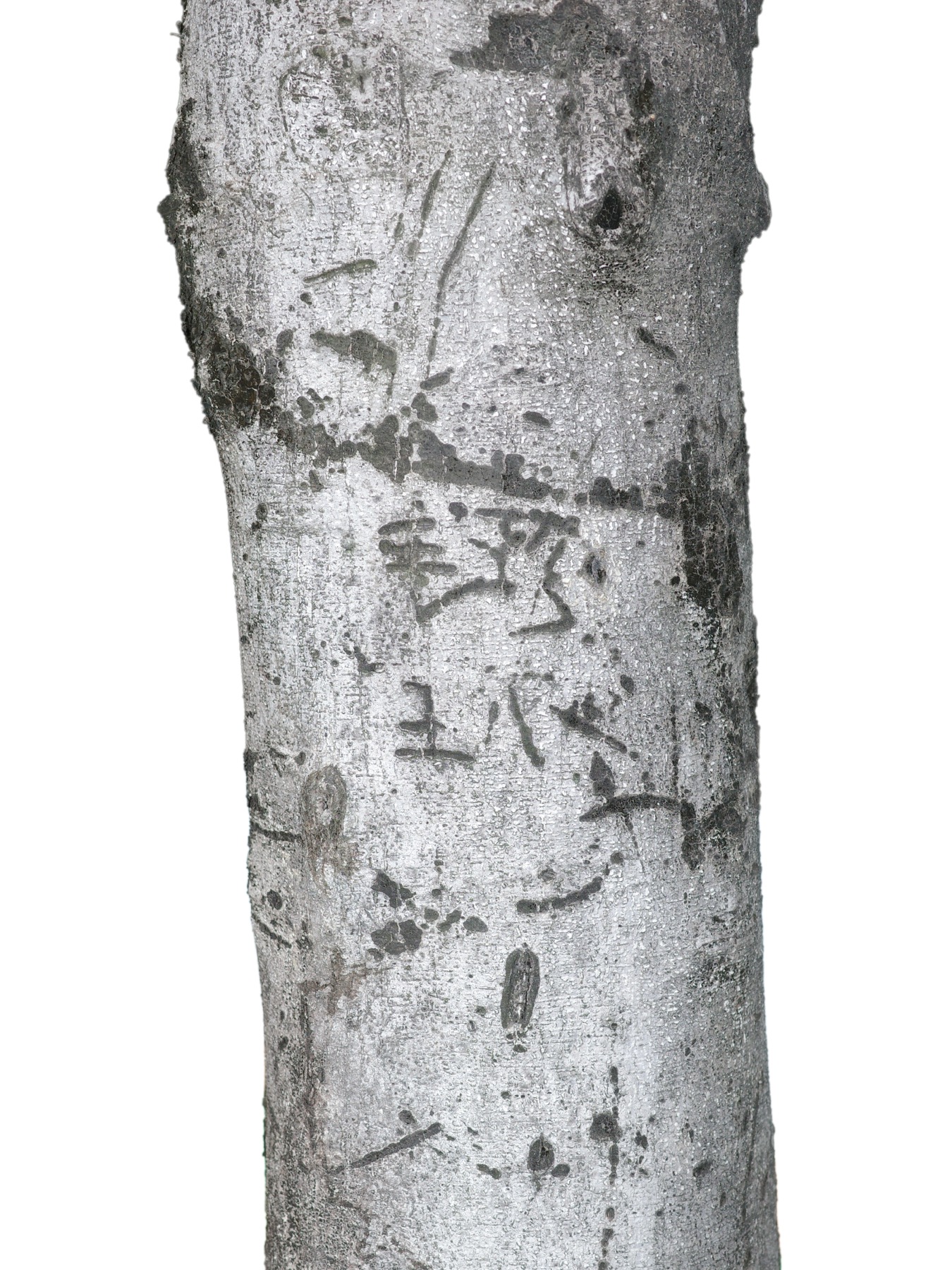
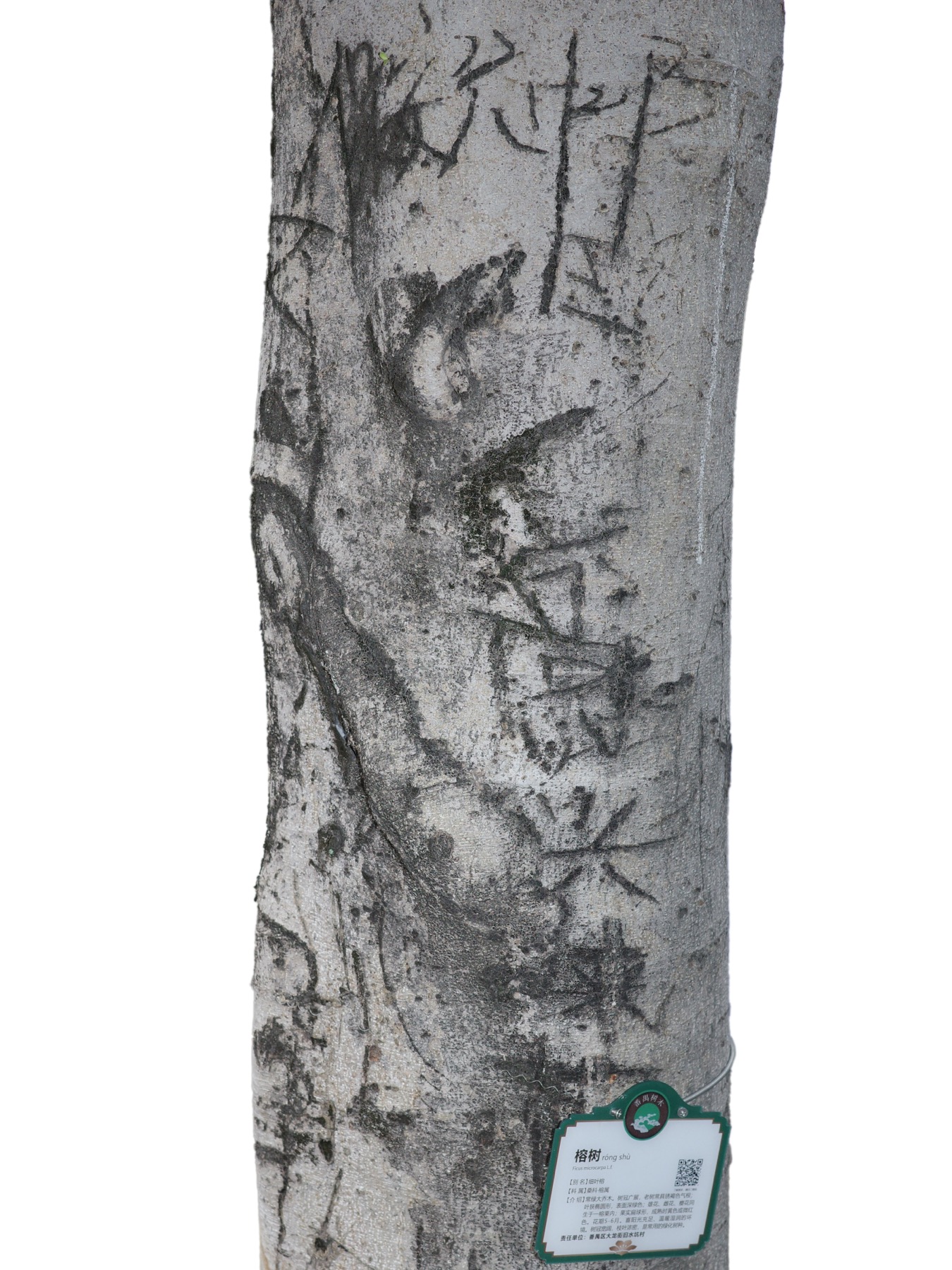
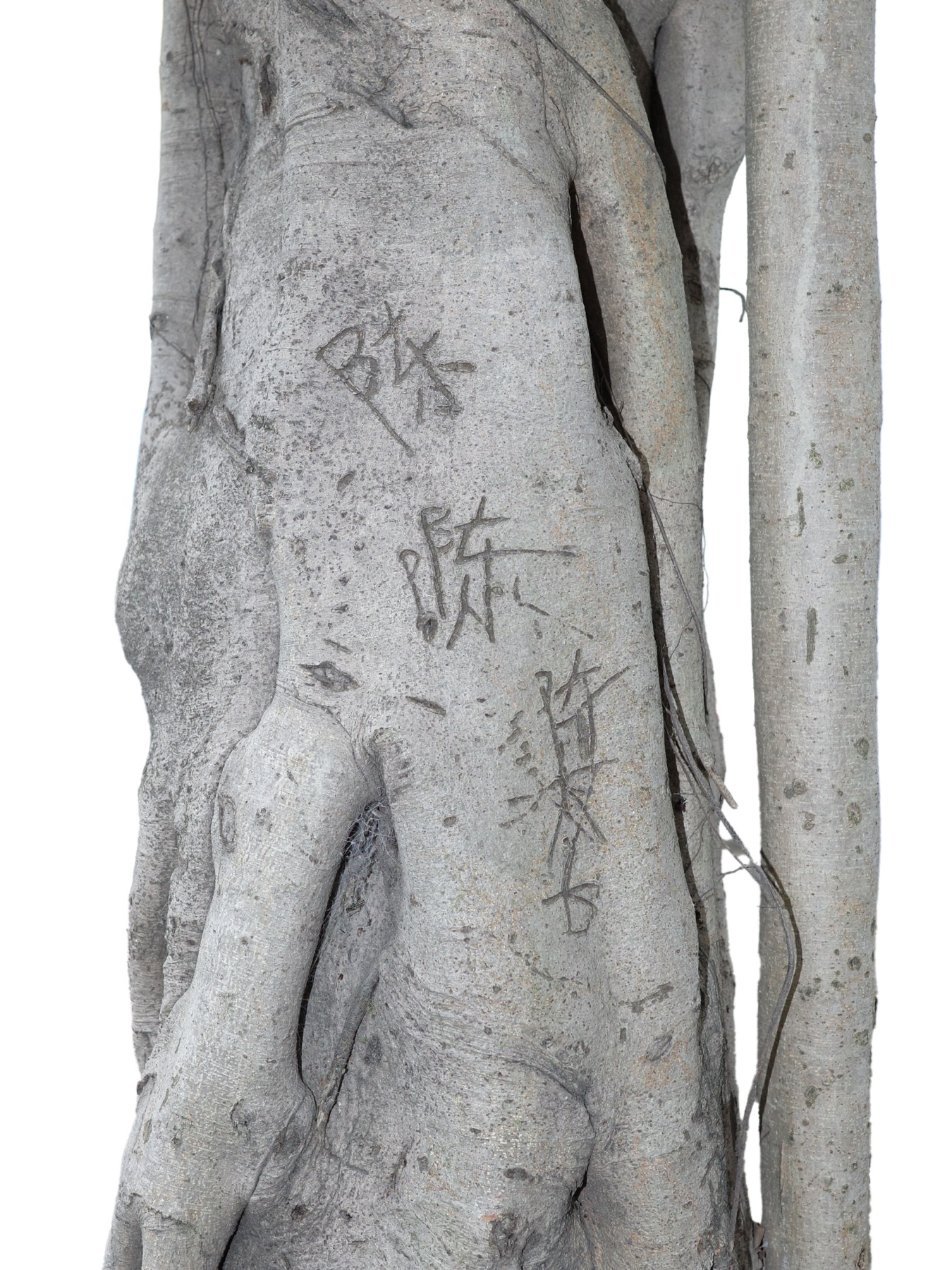
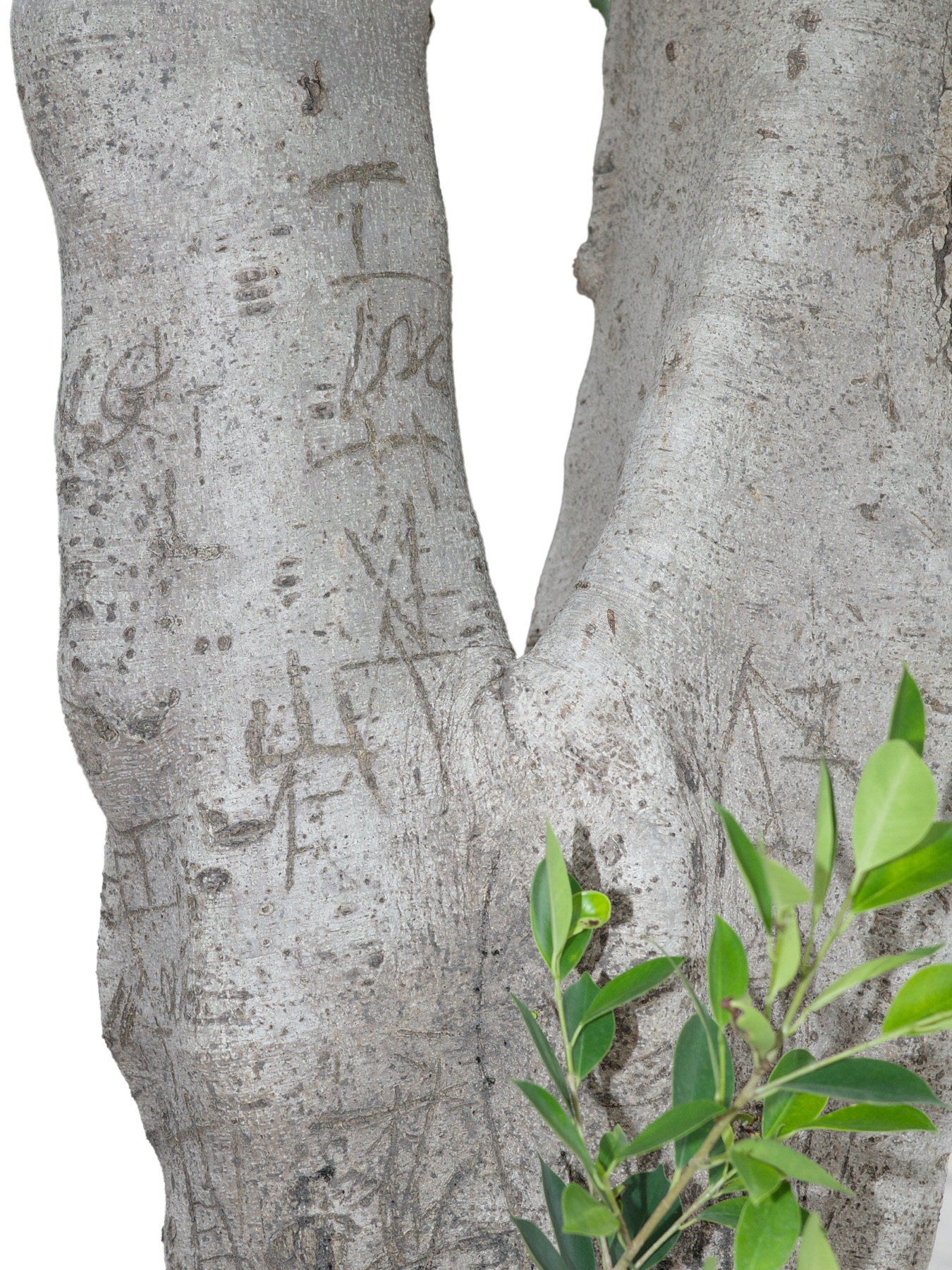
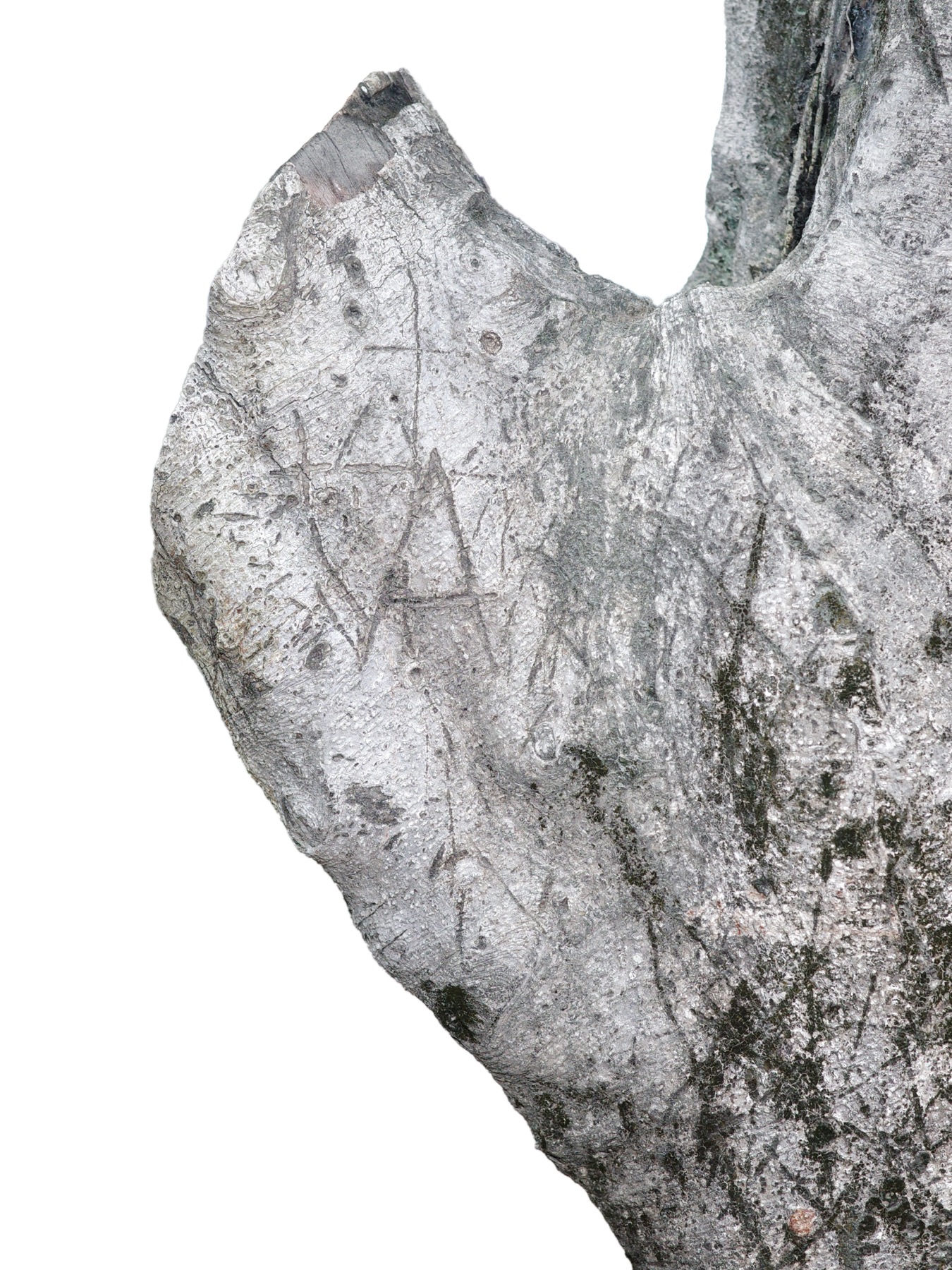
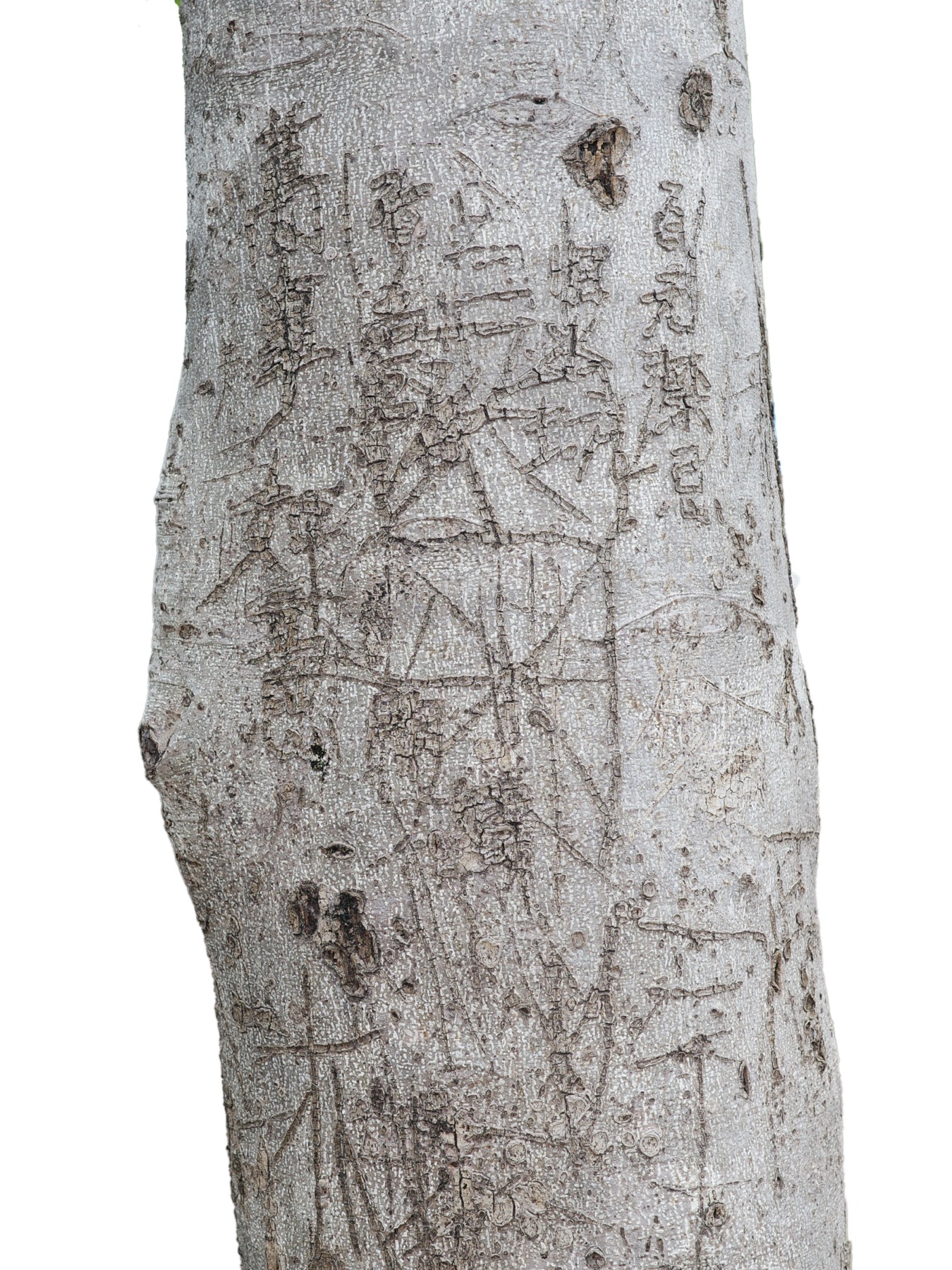
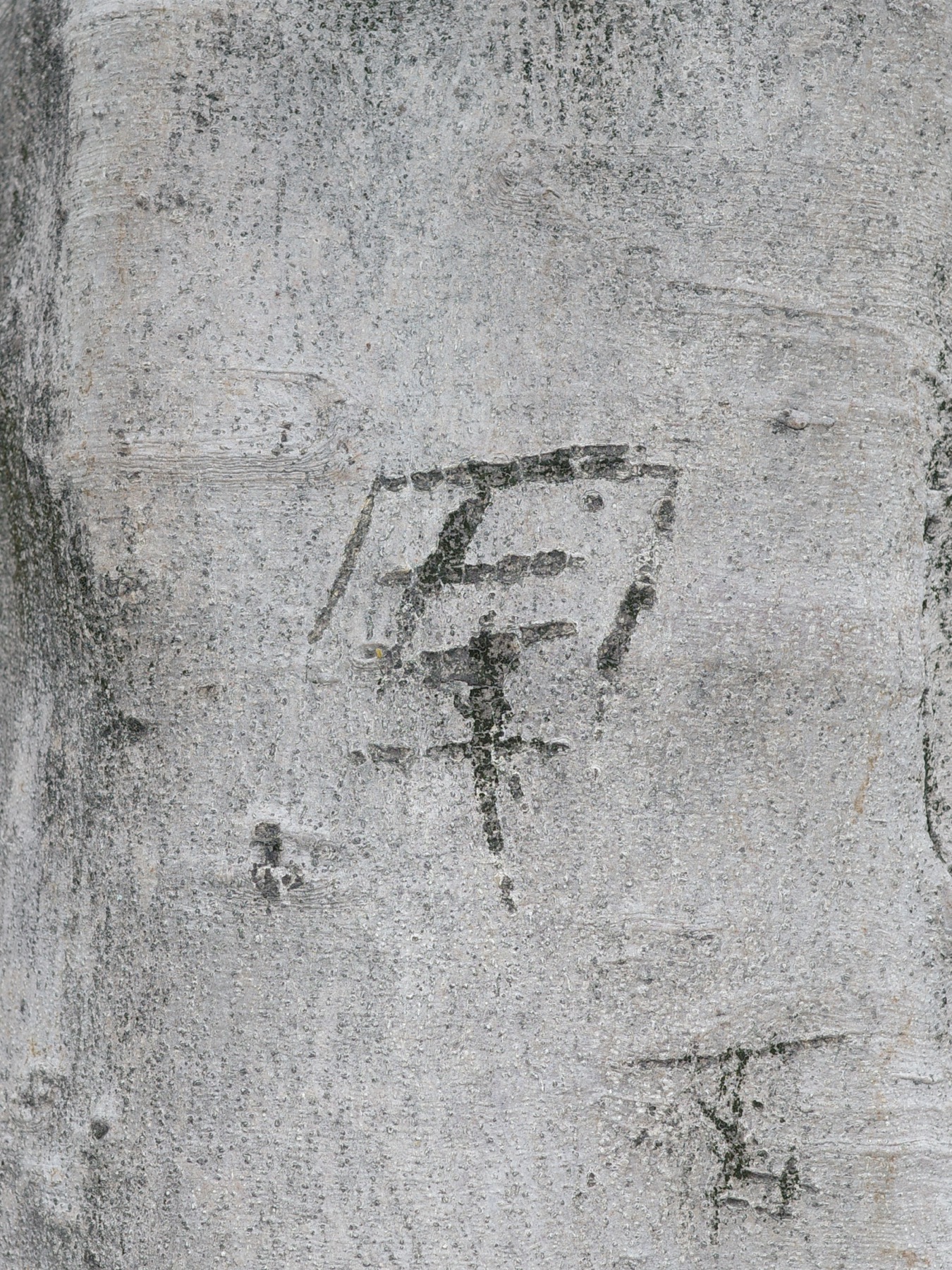
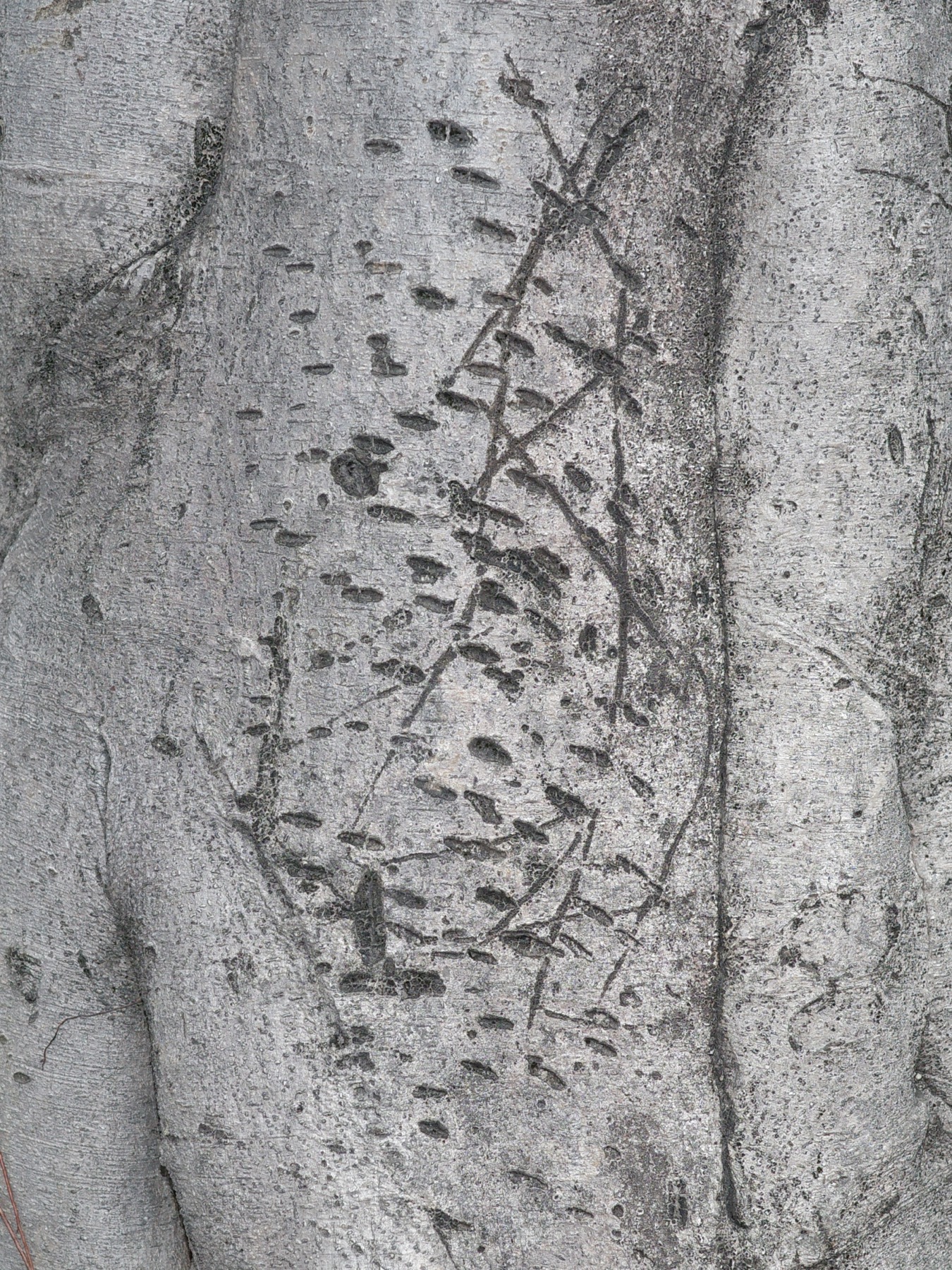
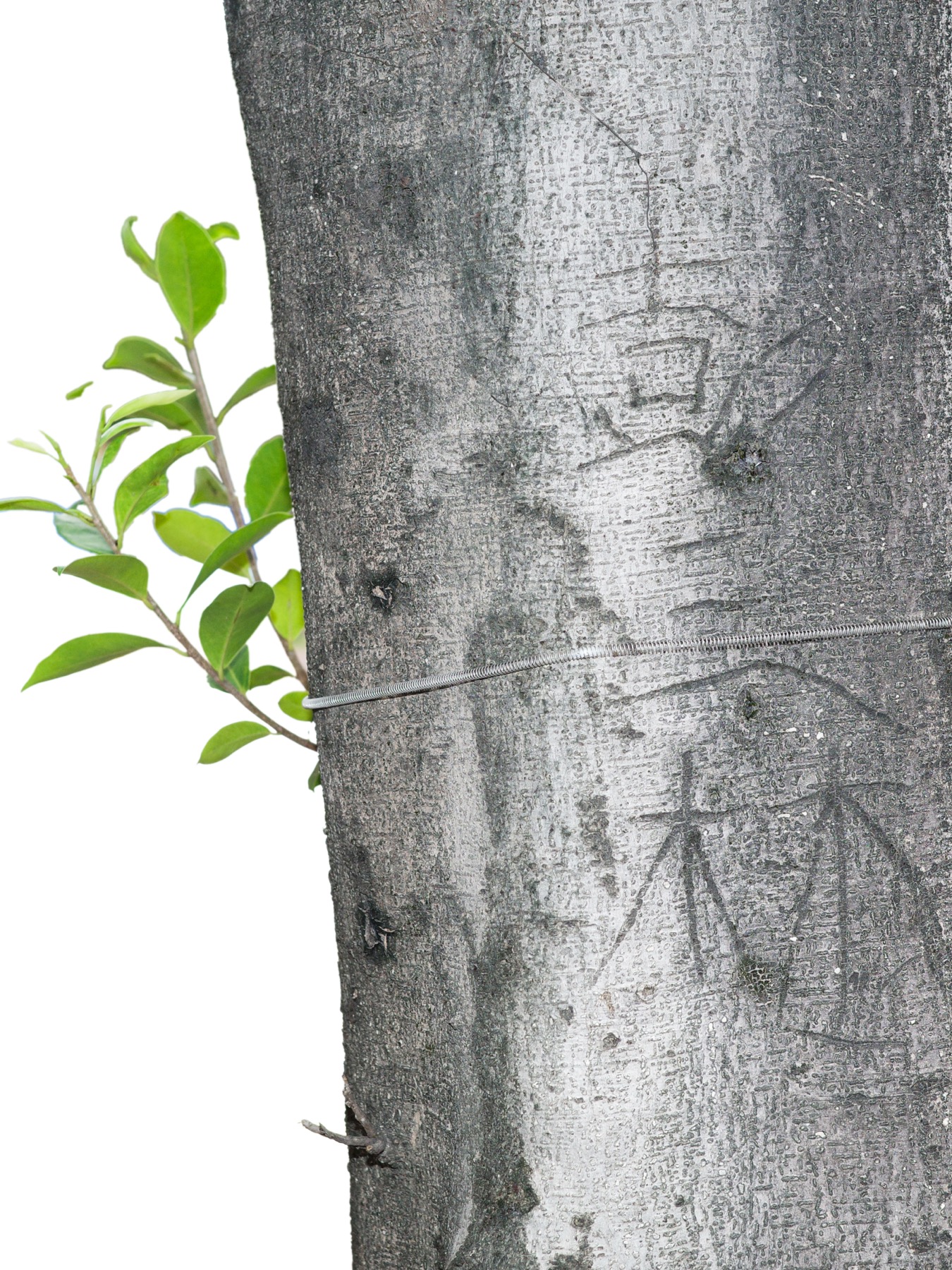
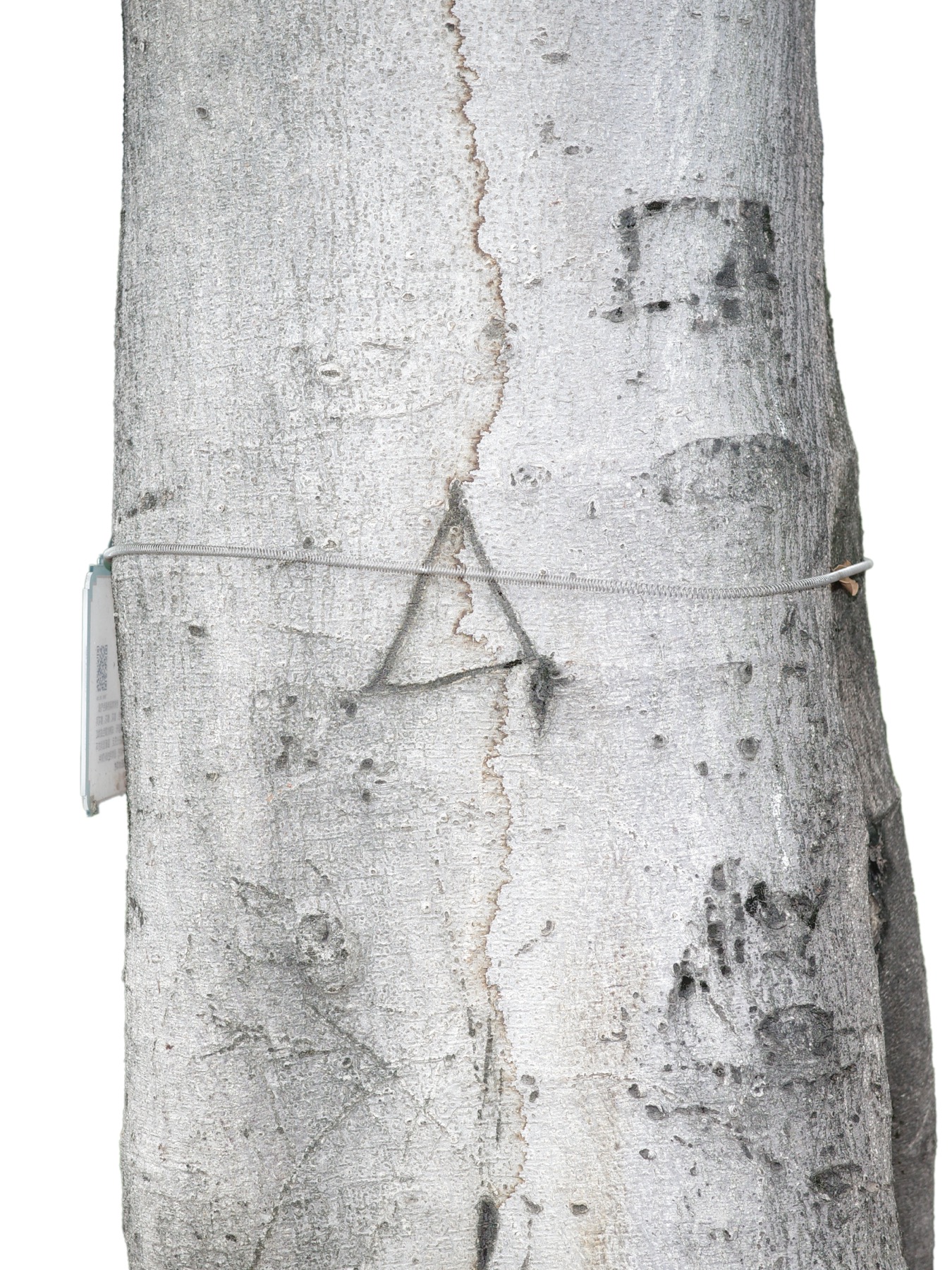
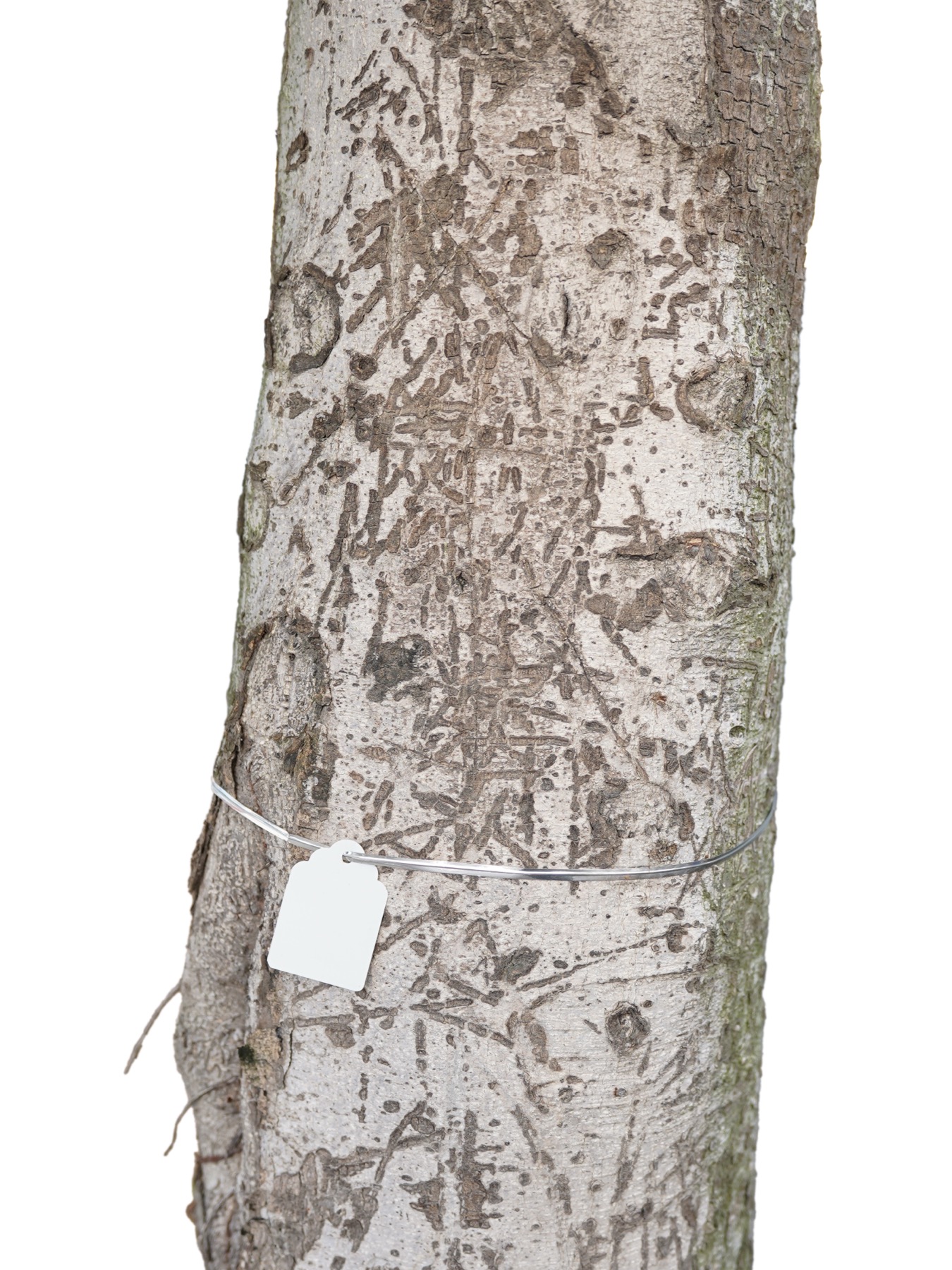
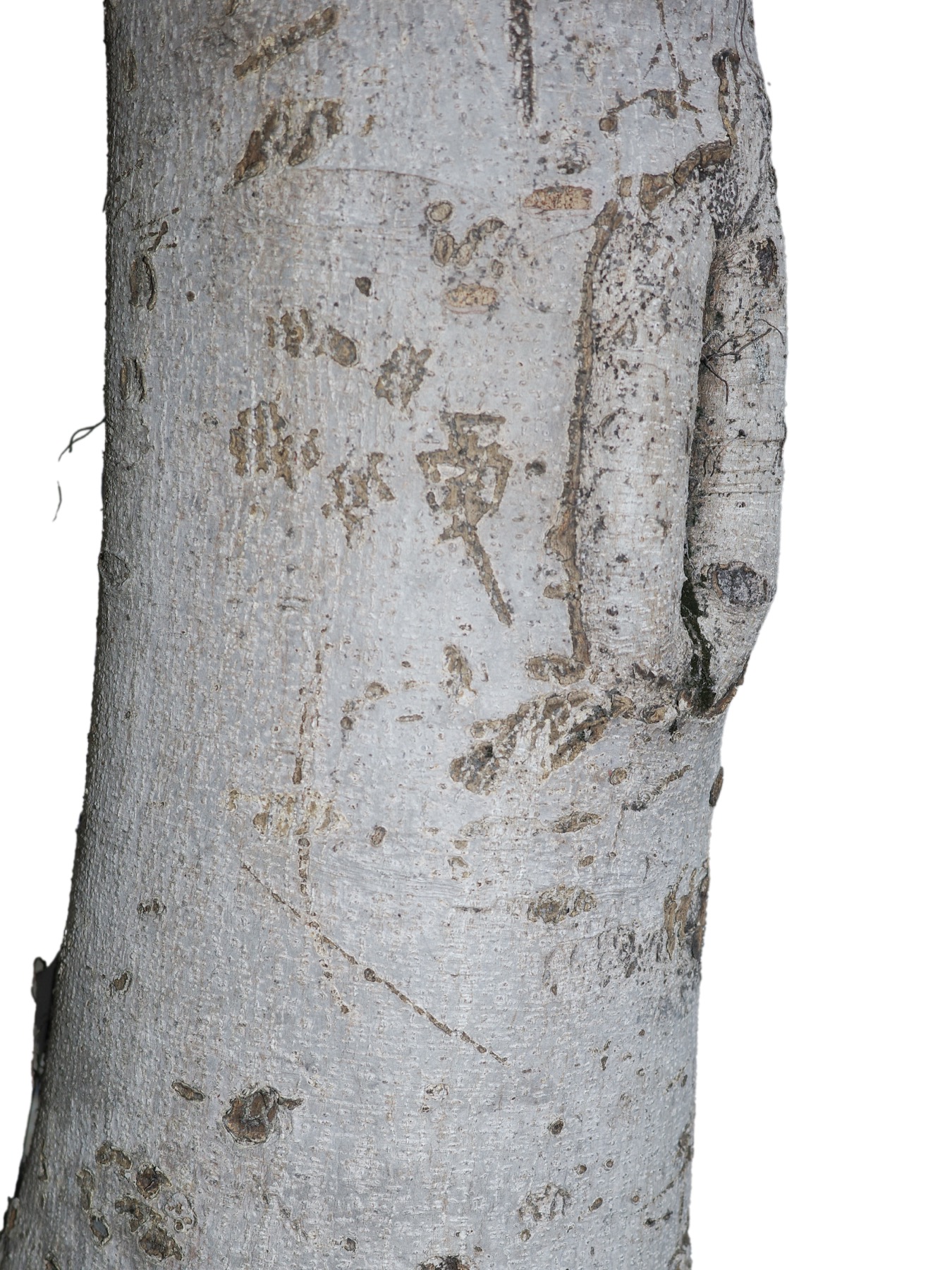
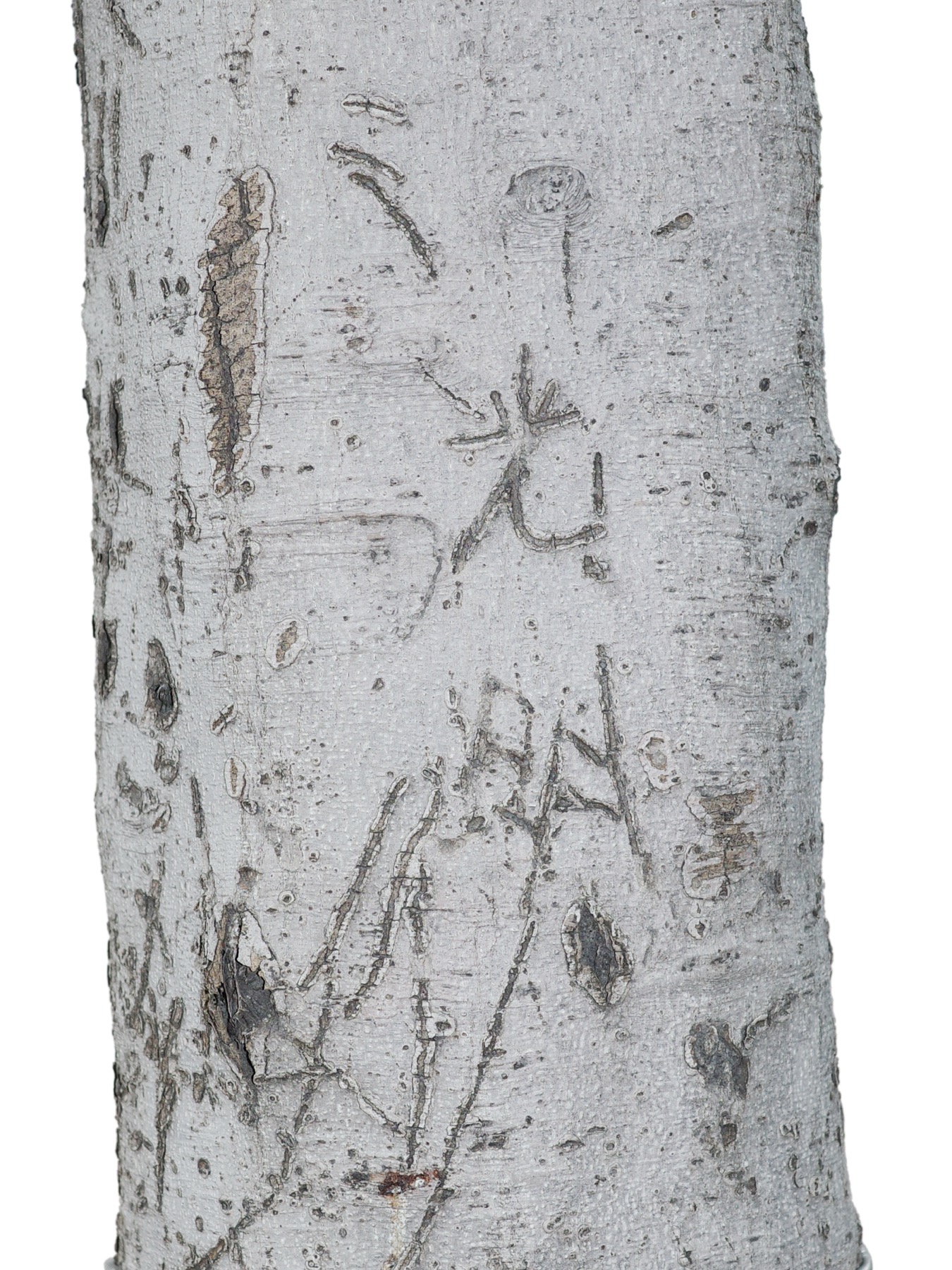
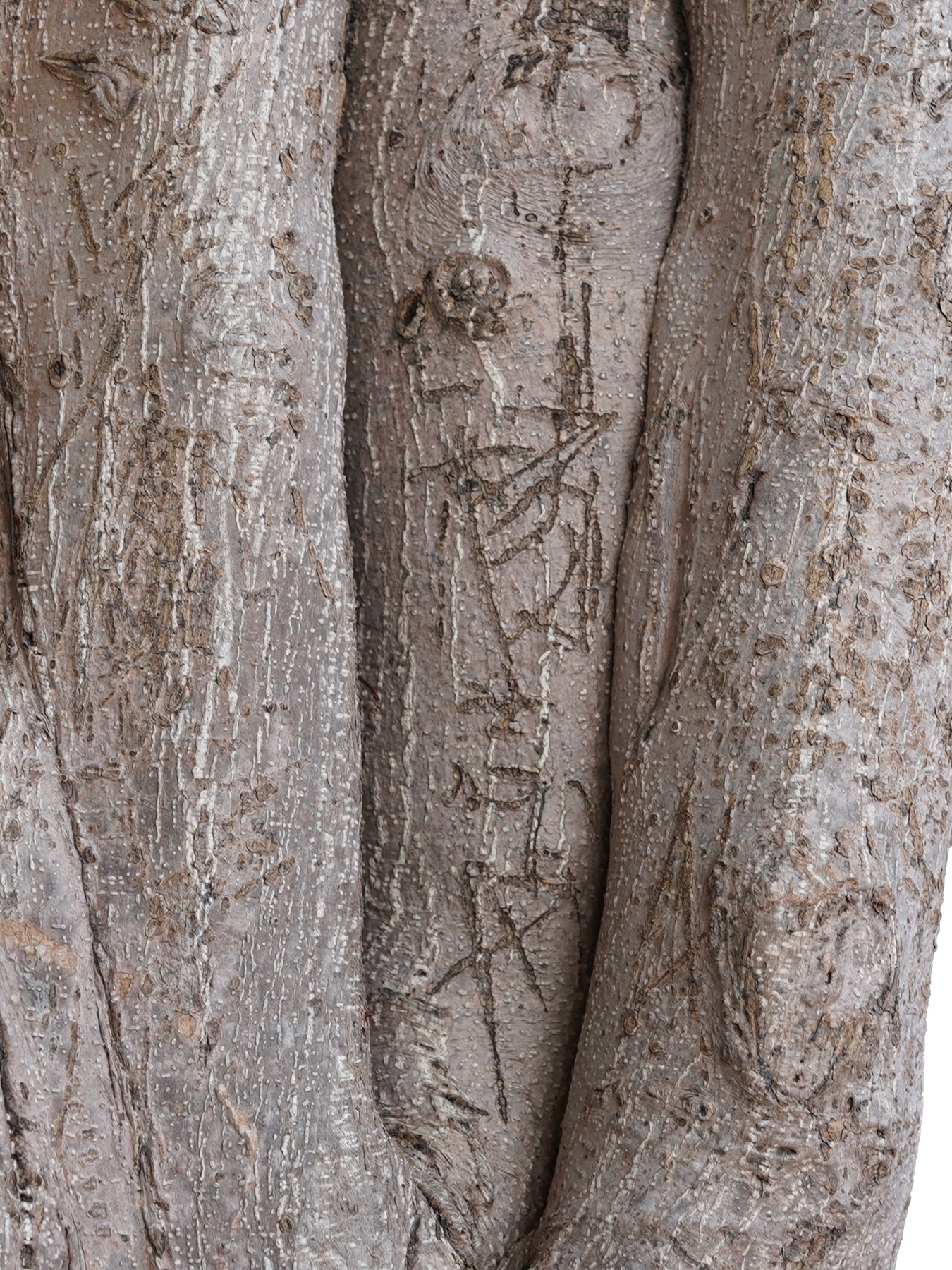
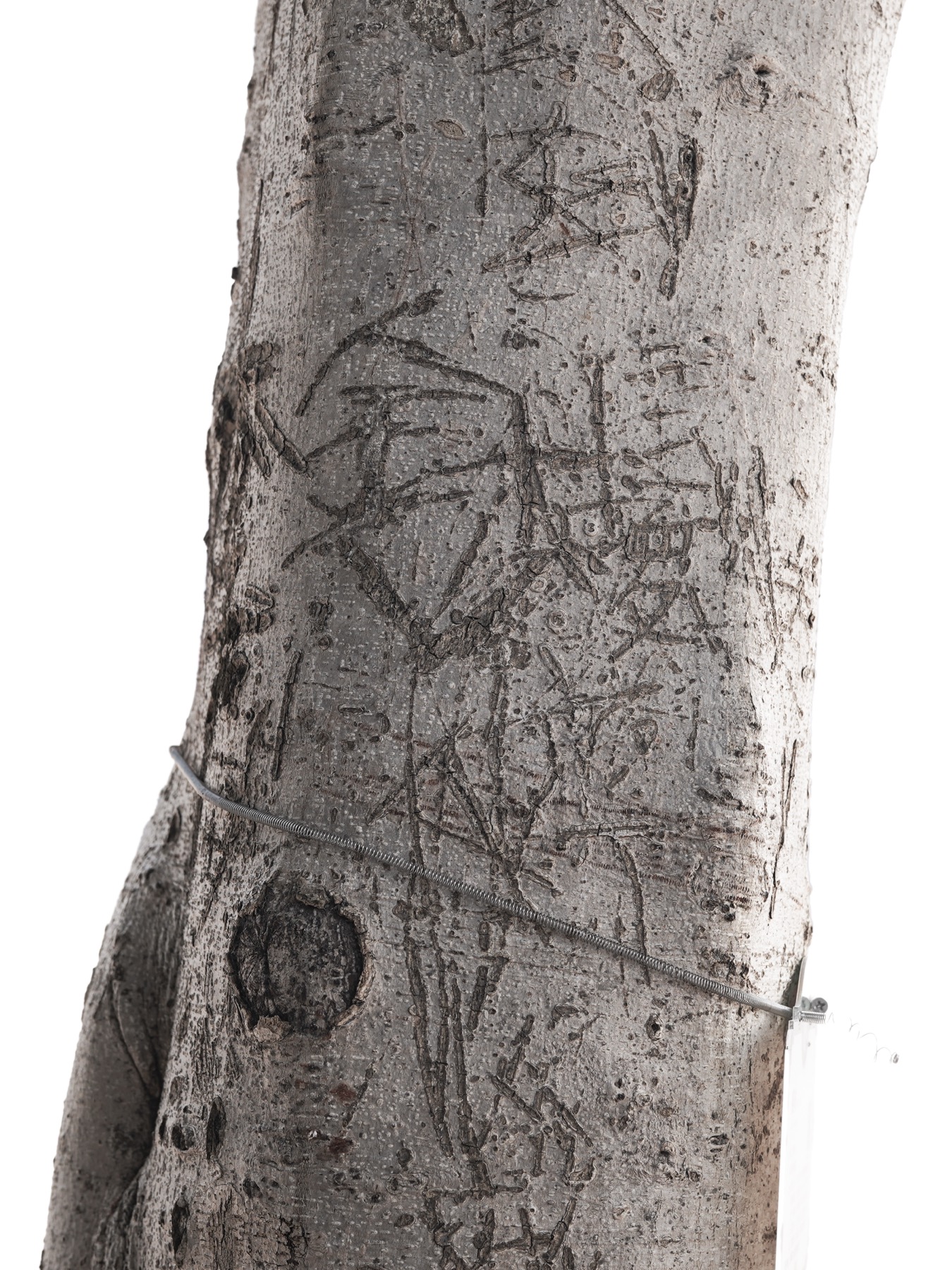
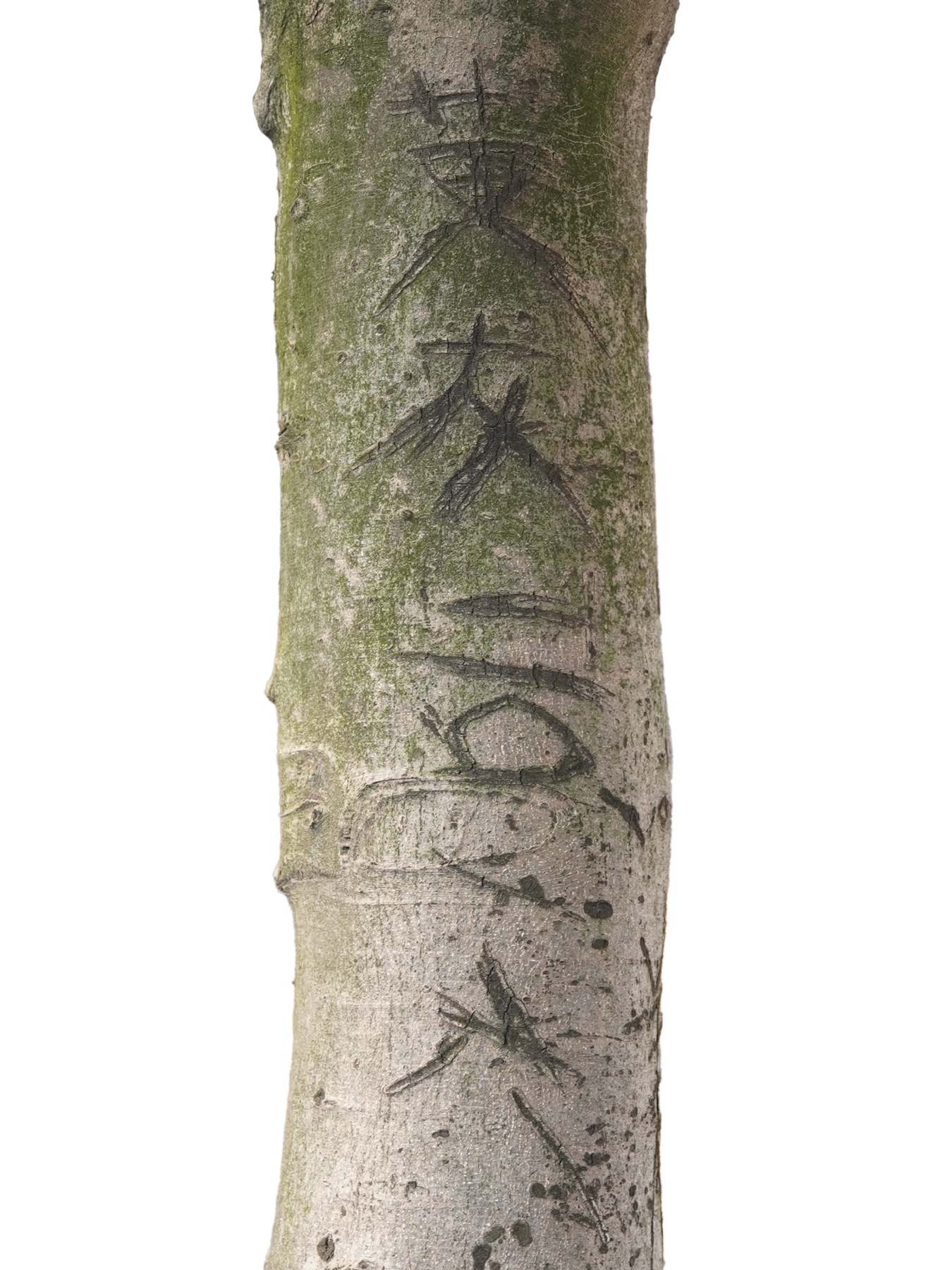
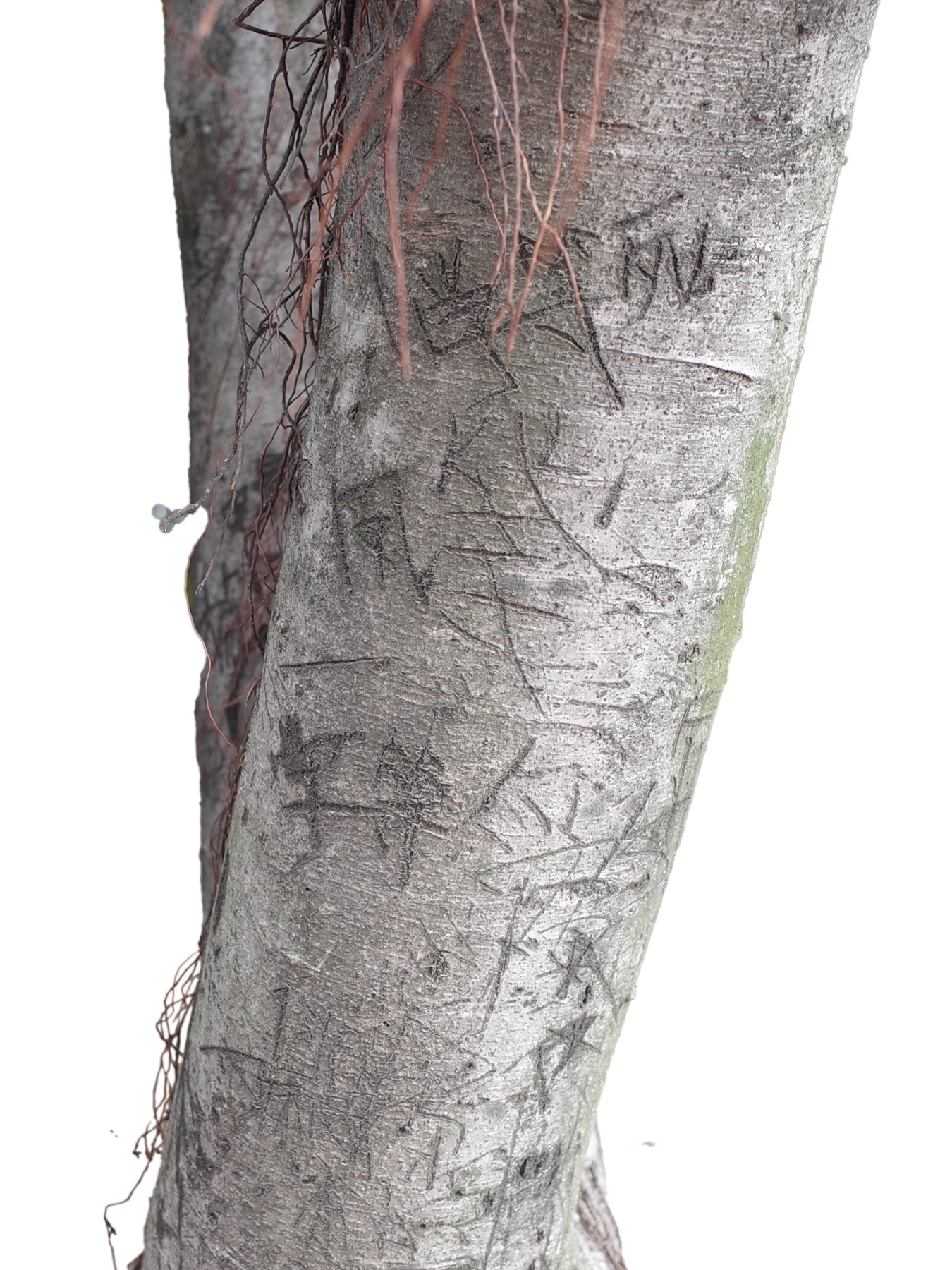
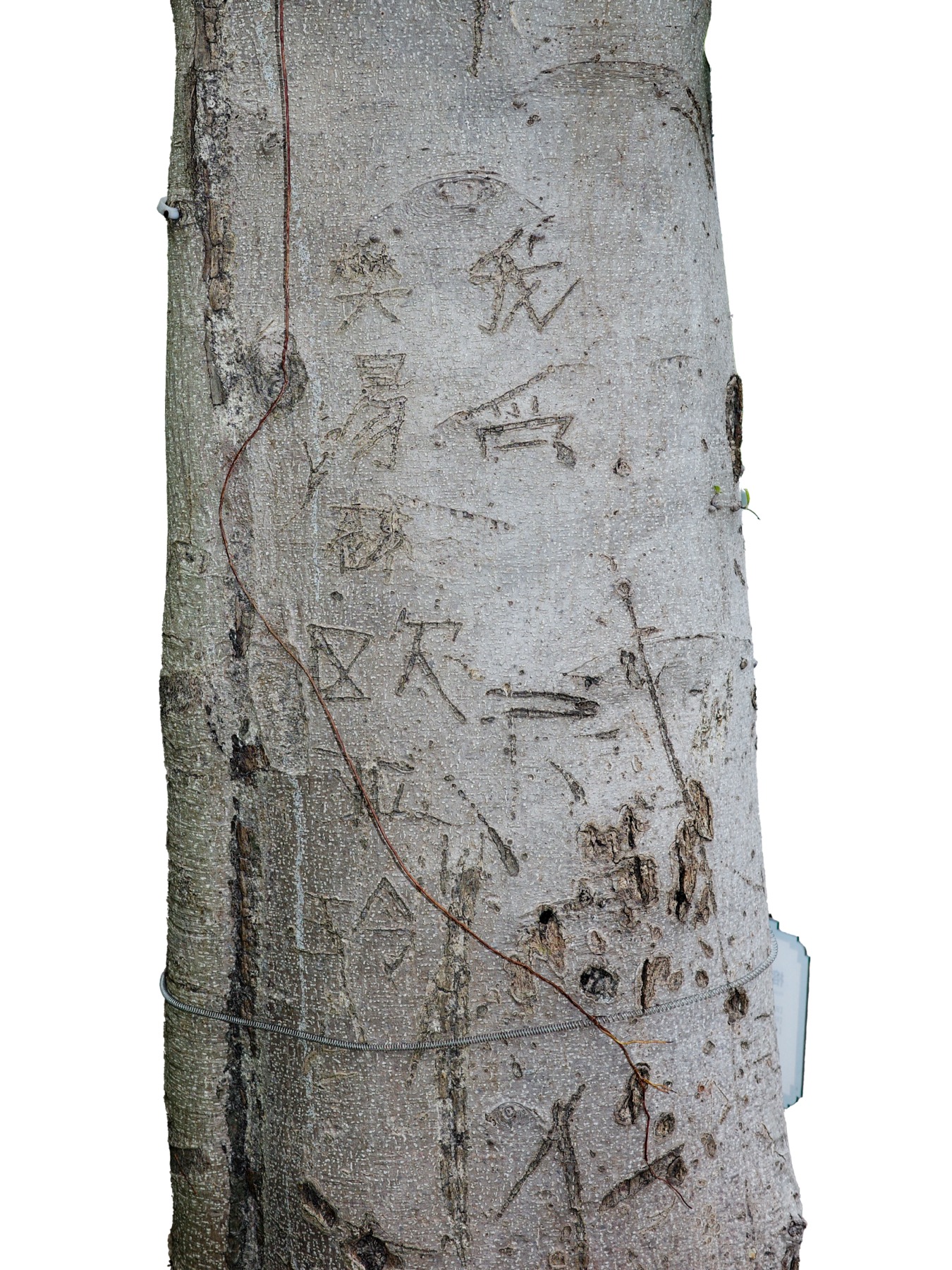
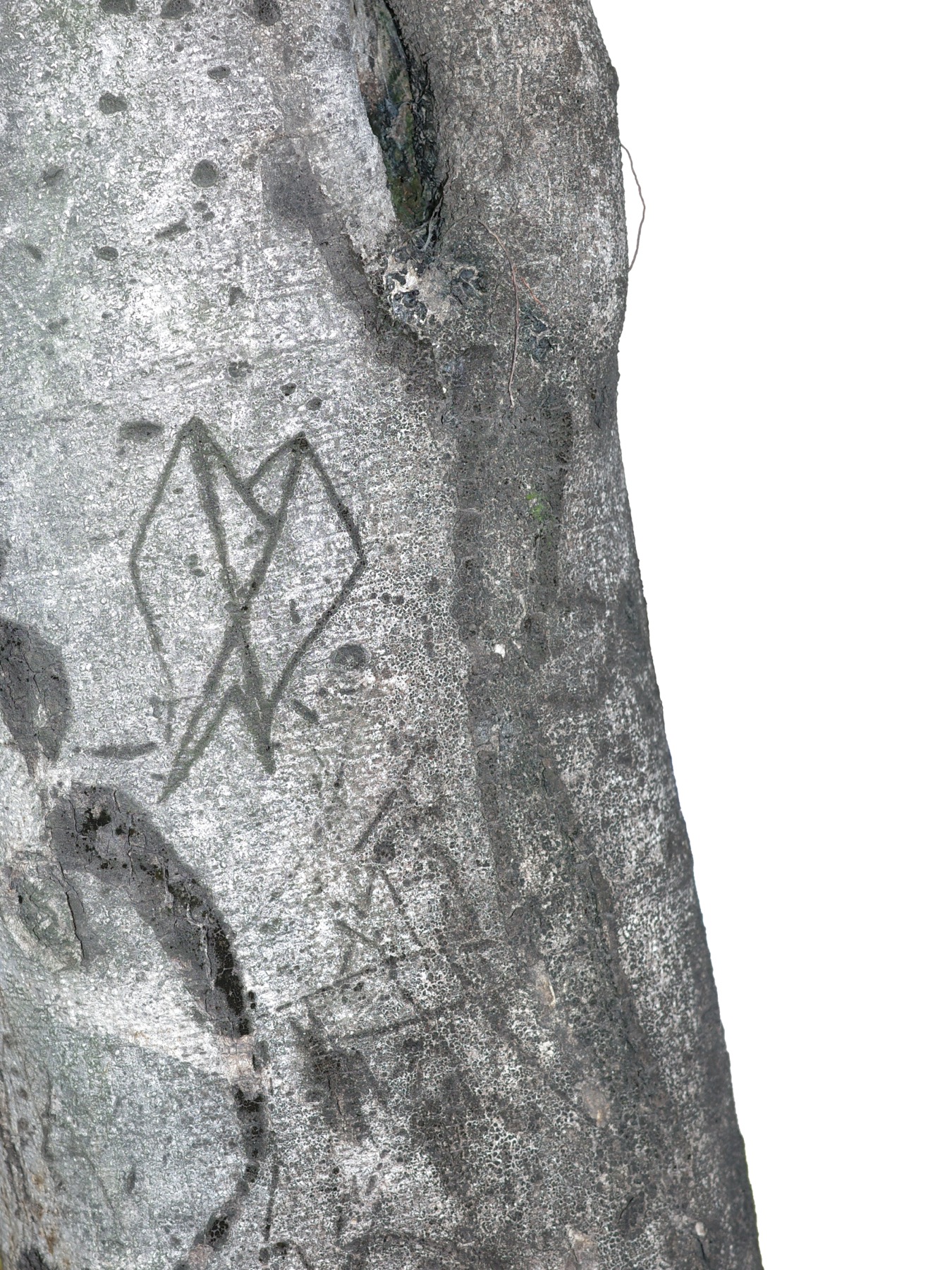
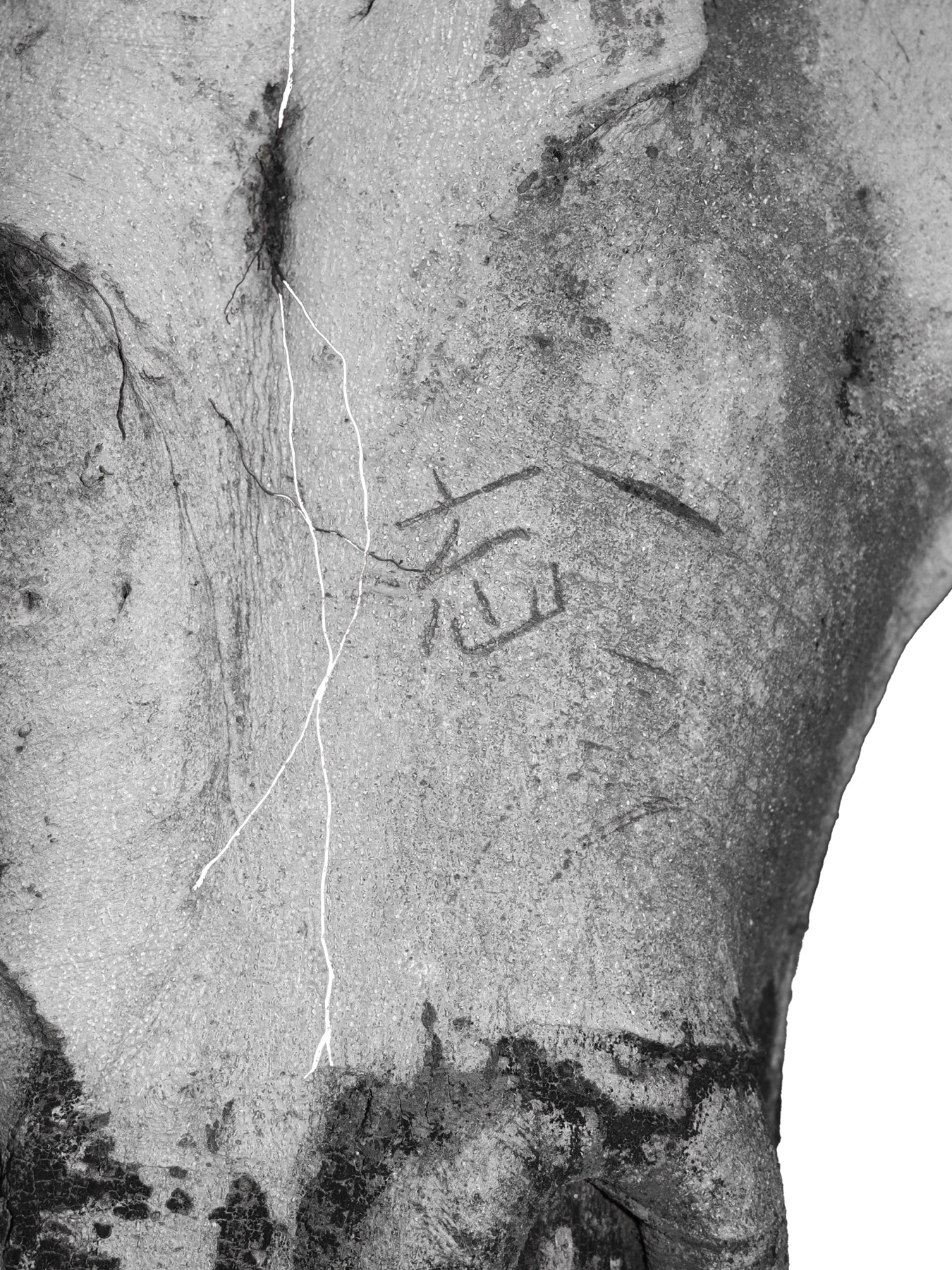
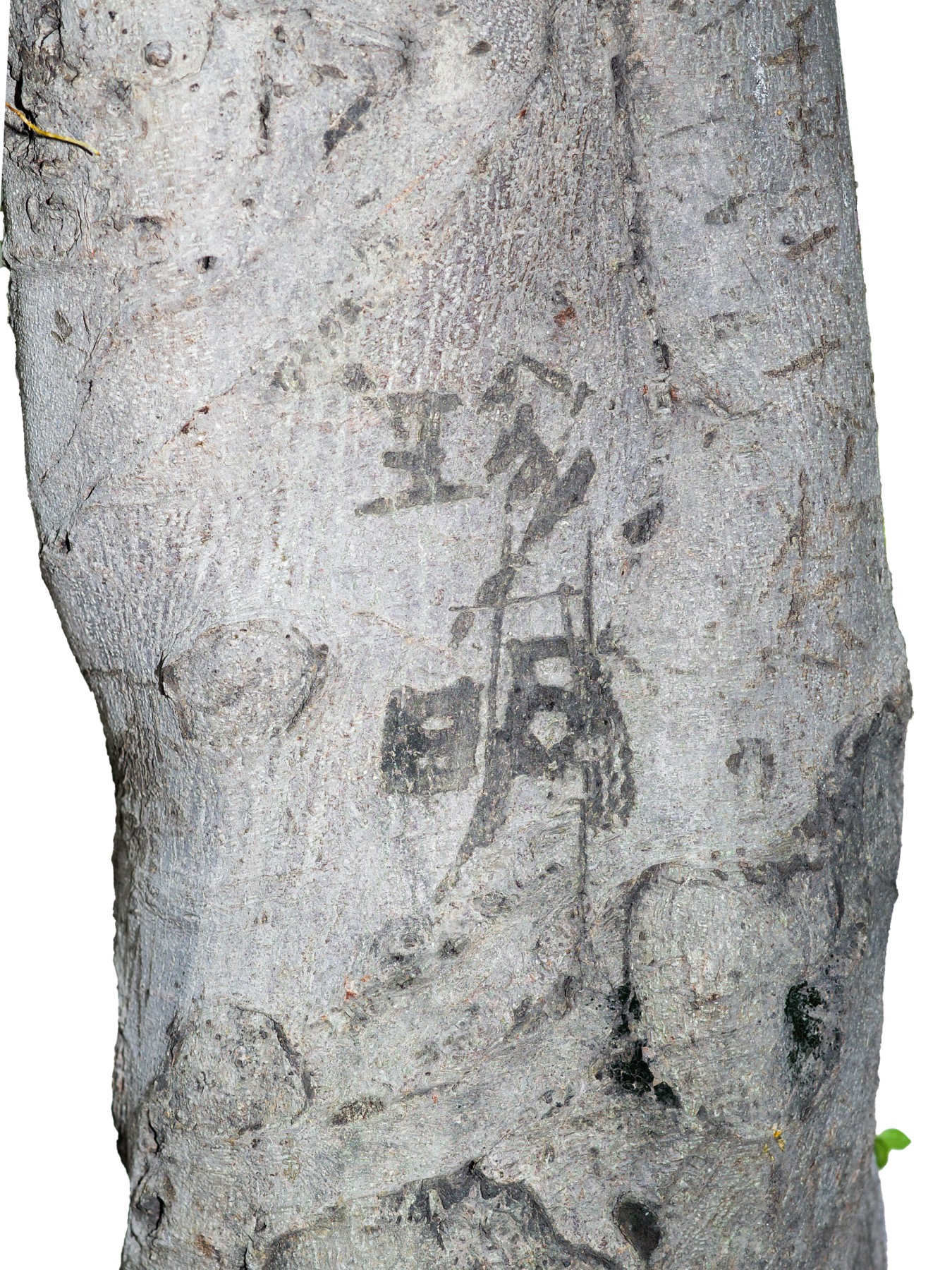
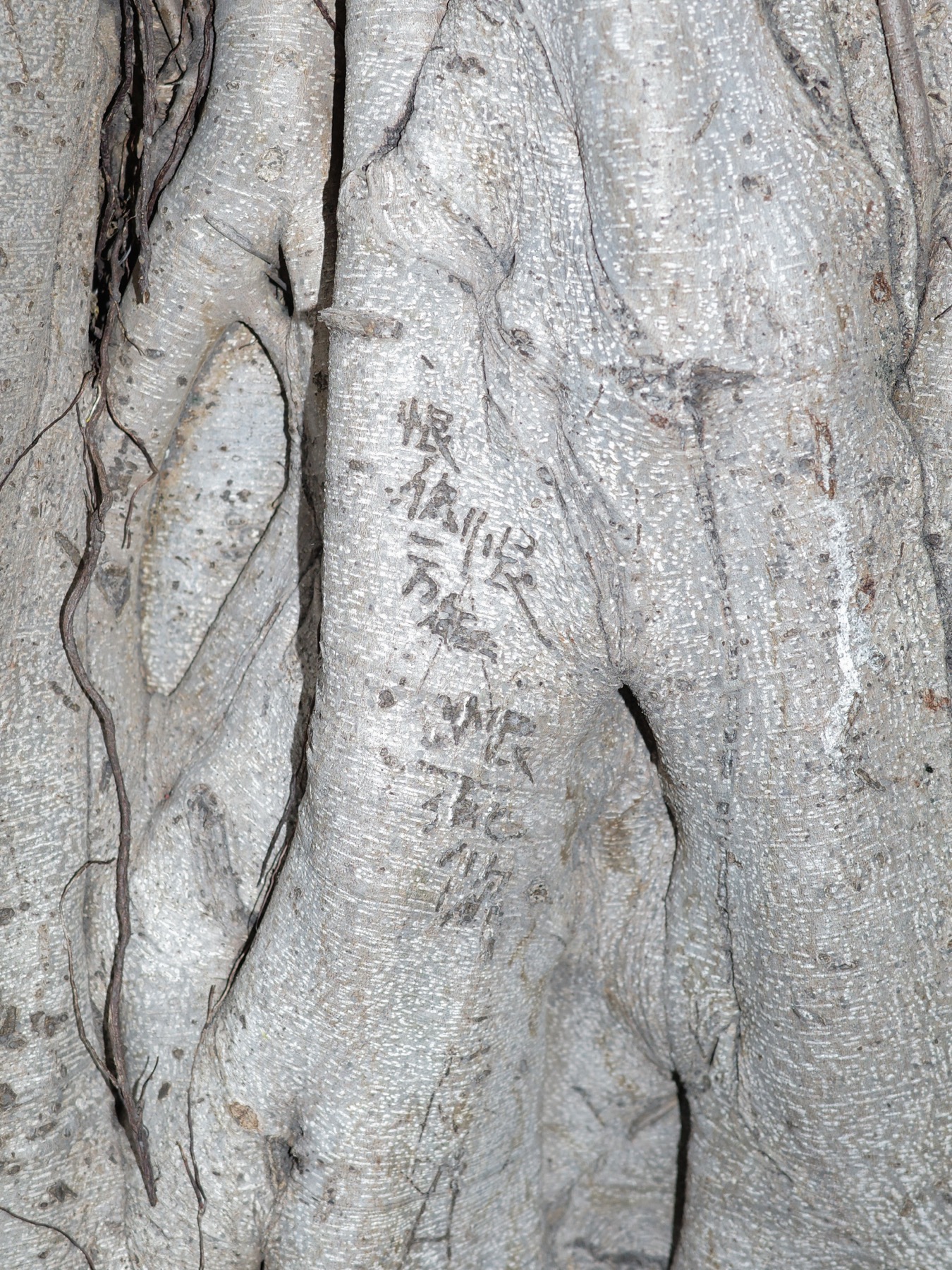
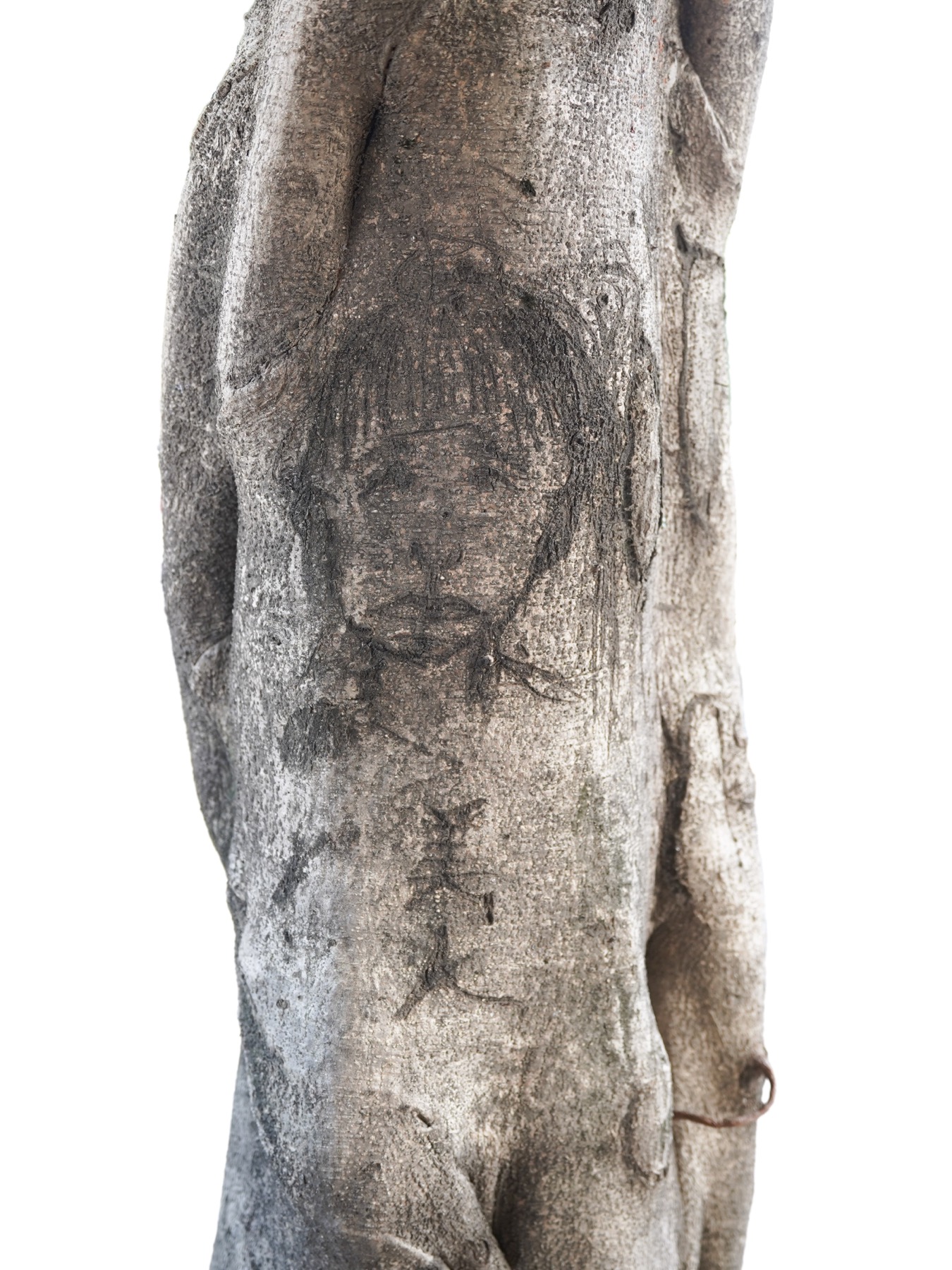
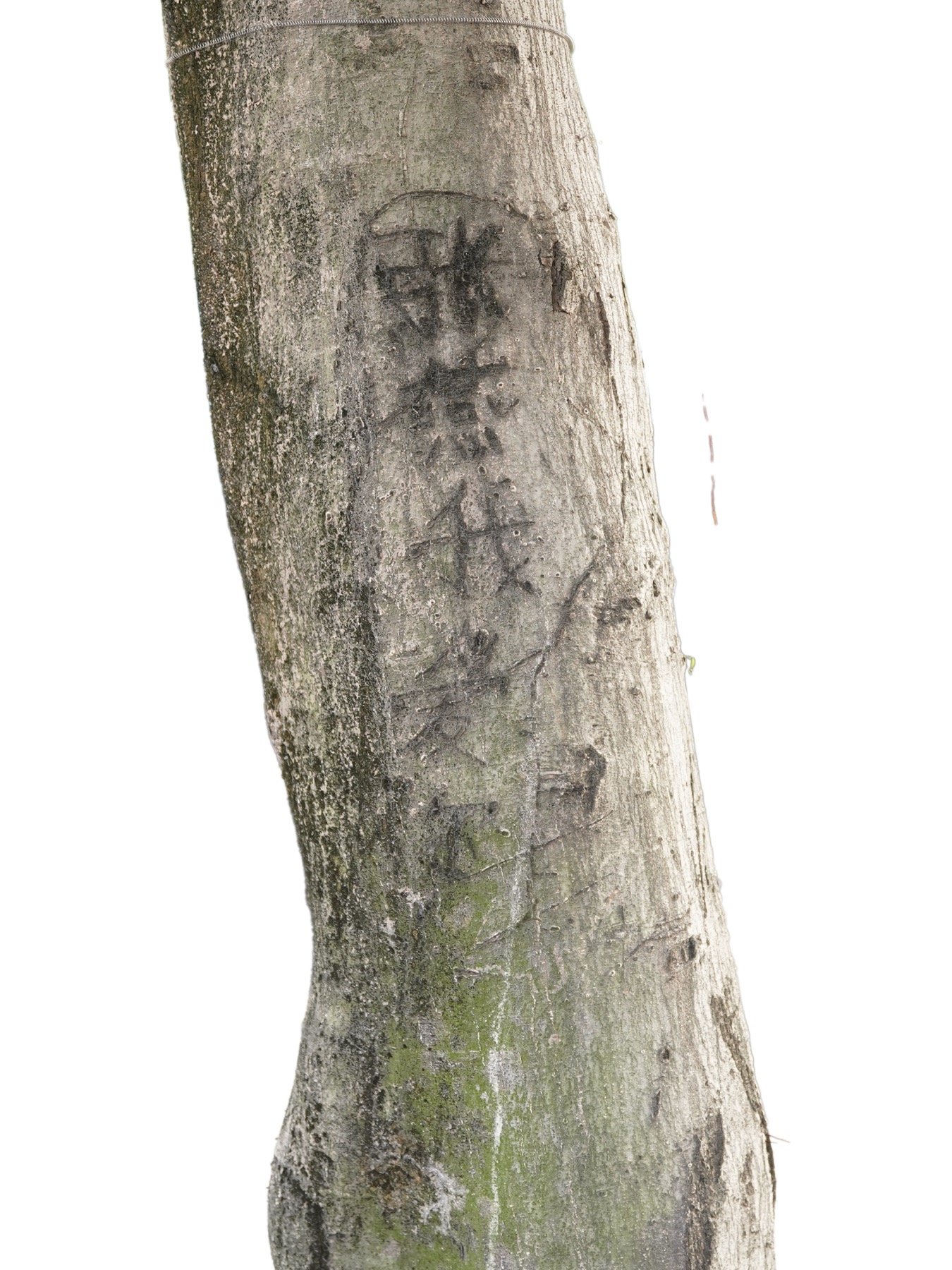
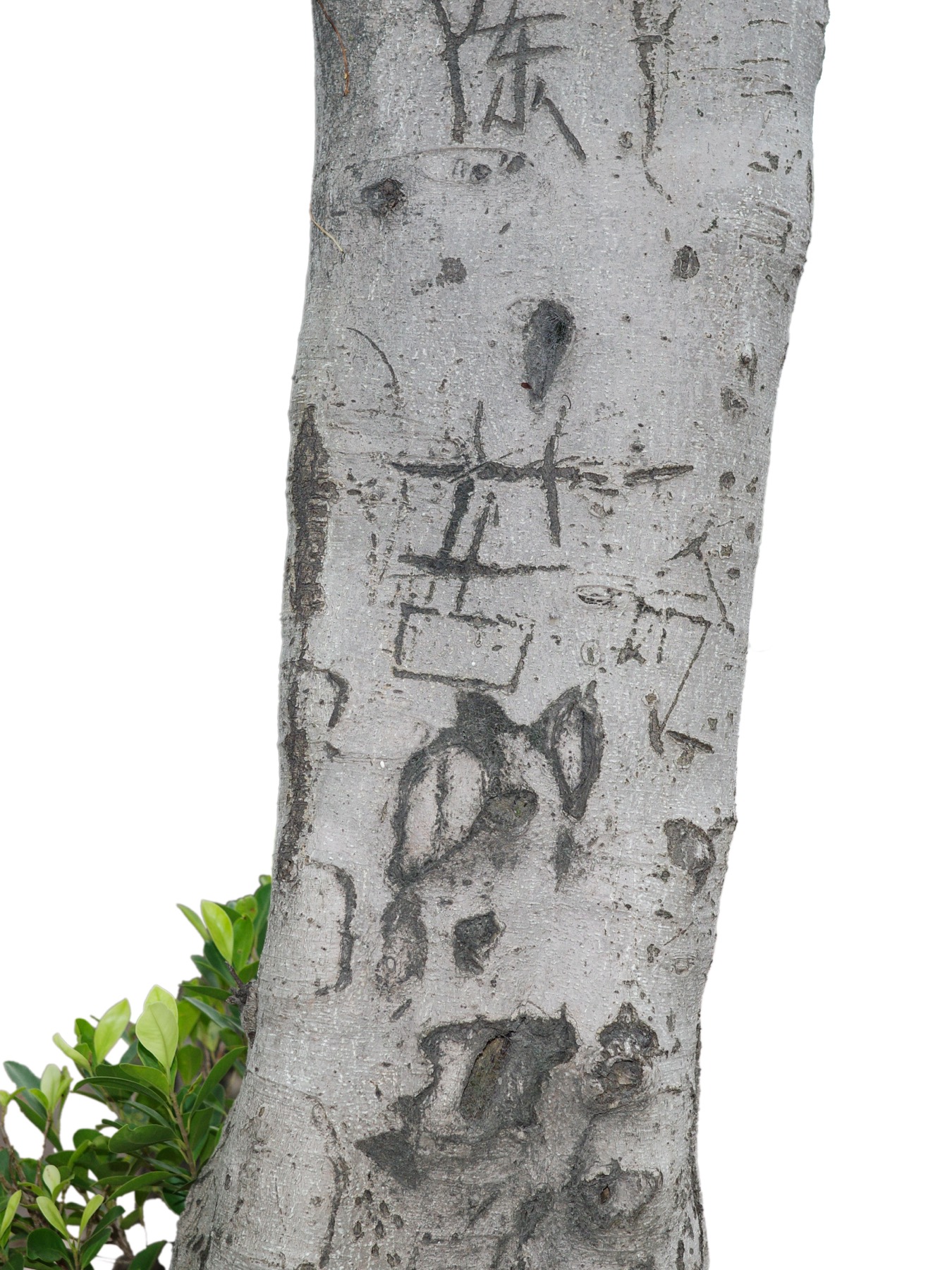
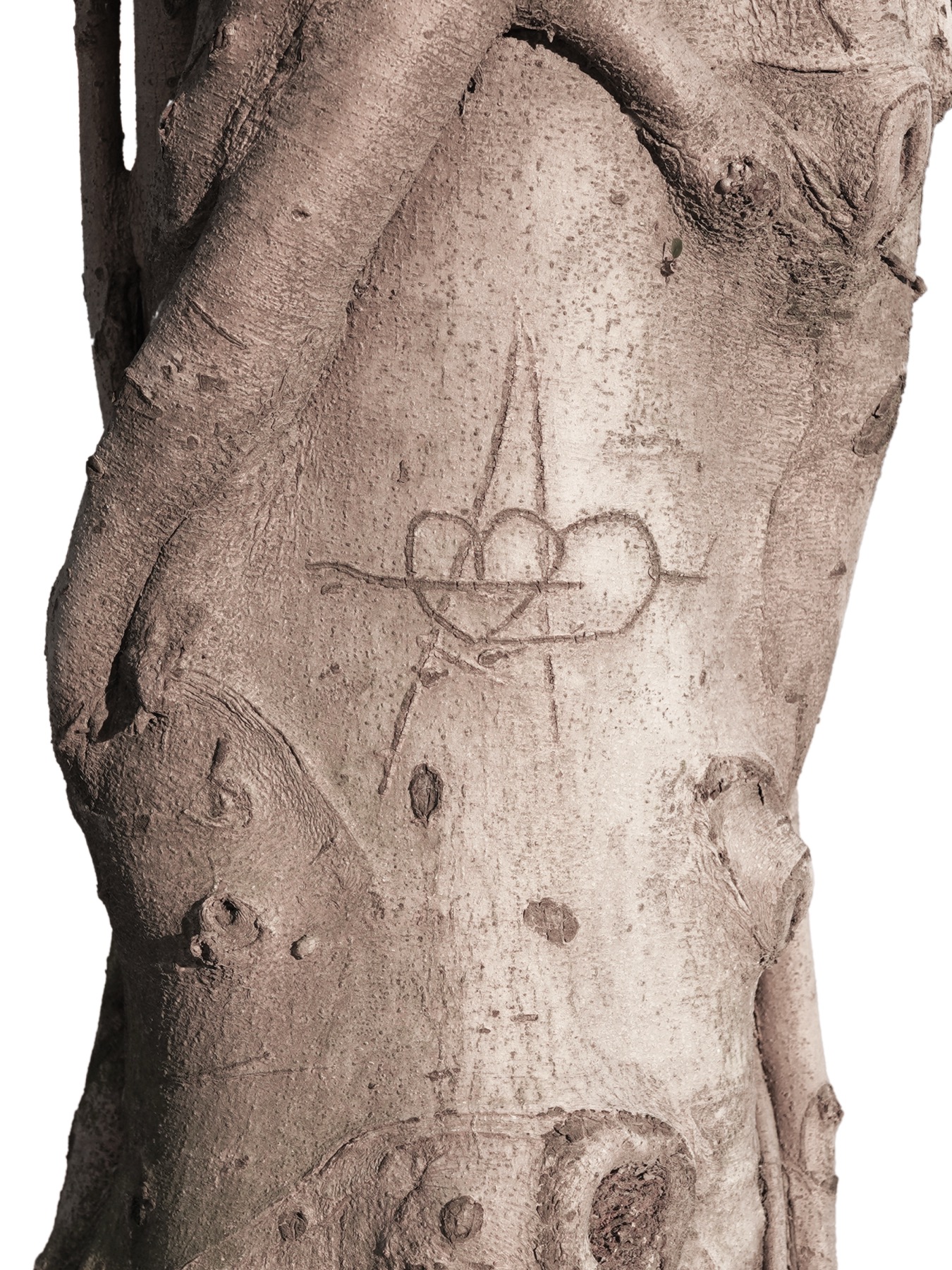
During one visit, I noticed the unfinished words “I love you” carved into a roadside tree, beside a person’s name. It reminded me of a line written by the poet Zheng Xiaoqiong during her years as a factory worker: “Huangmaling, all you gave me was pain, tears, and a love that could never be fulfilled away from home.” I began examining the surrounding trees and found that many of the banyans were covered with writing and symbols.
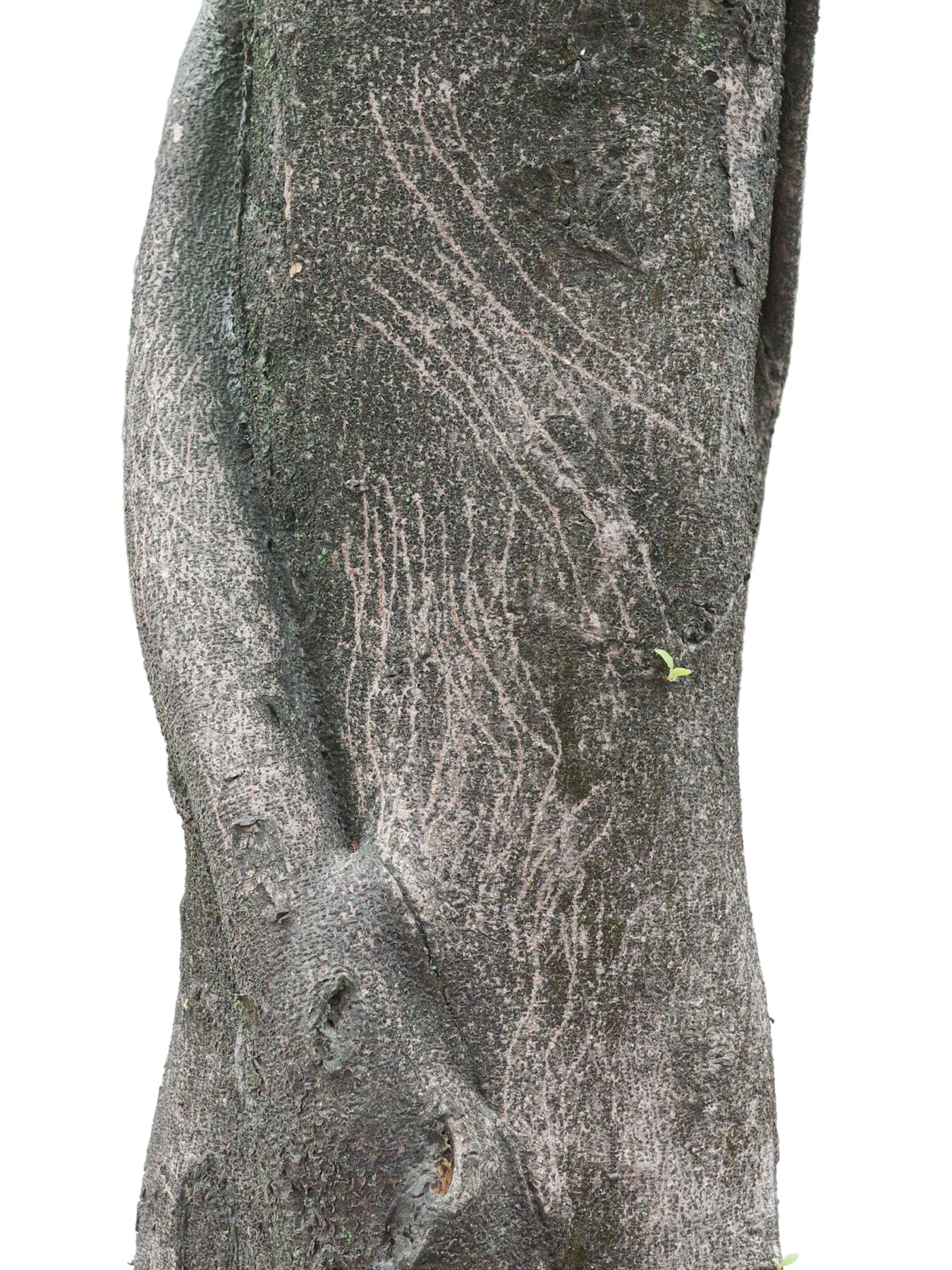
Some inscriptions contain dates, including 2004 and 2016, while others have become difficult to read as the trees have grown and their surfaces have accumulated dust and damage. Much of the writing concerns emotion and personal circumstance: “I love you,” “I hate you ten thousand times,” “a bitter life,” and, occasionally, words such as “brightness.” The writers cannot be identified, and the fragments provide no complete narrative. They remain as small and direct assertions that someone was once there.
Today, far fewer workers remain in Jiushuikeng. Rental advertisements cover the village, yet tenants are increasingly difficult to find, and few new words appear on the trees. The factories, workers, and social world that once occupied the area have gradually disappeared, while the inscriptions continue to exist, merging with the trees’ natural textures and wounds.
Writing in an Abandoned Factory District records the personal traces that remain after industrial production has withdrawn. Industrial relocation is usually described through factory closures, population movement, and abandoned space. These incomplete words momentarily return attention to the emotions, loneliness, anger, and desires of the people who once lived and worked there.