The Burning Prairie
Part of Experiences of the Countryside
- Year
- 2020–2026
- Medium
- Photography, Collage
- Dimensions
- Dimensions variable
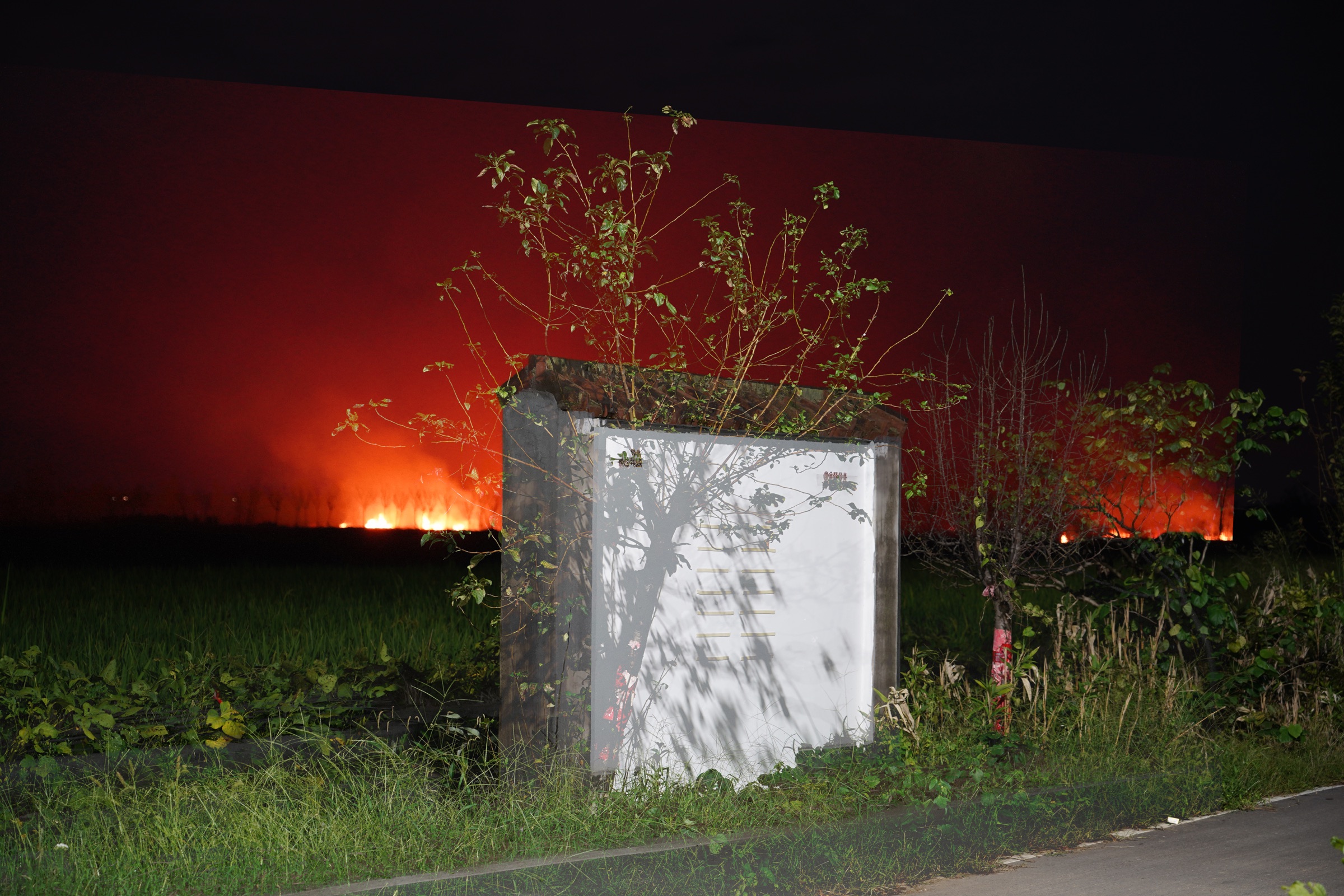
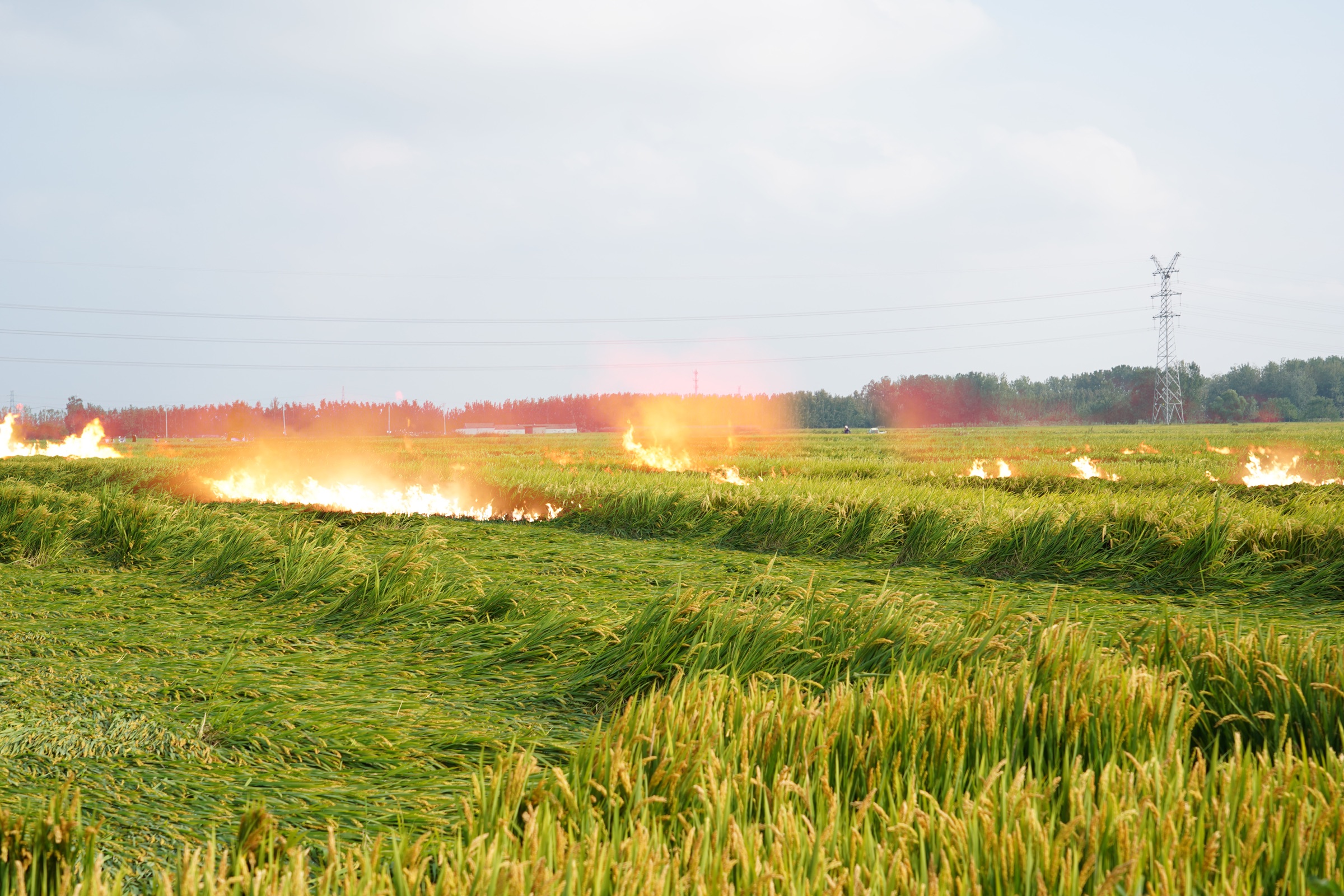
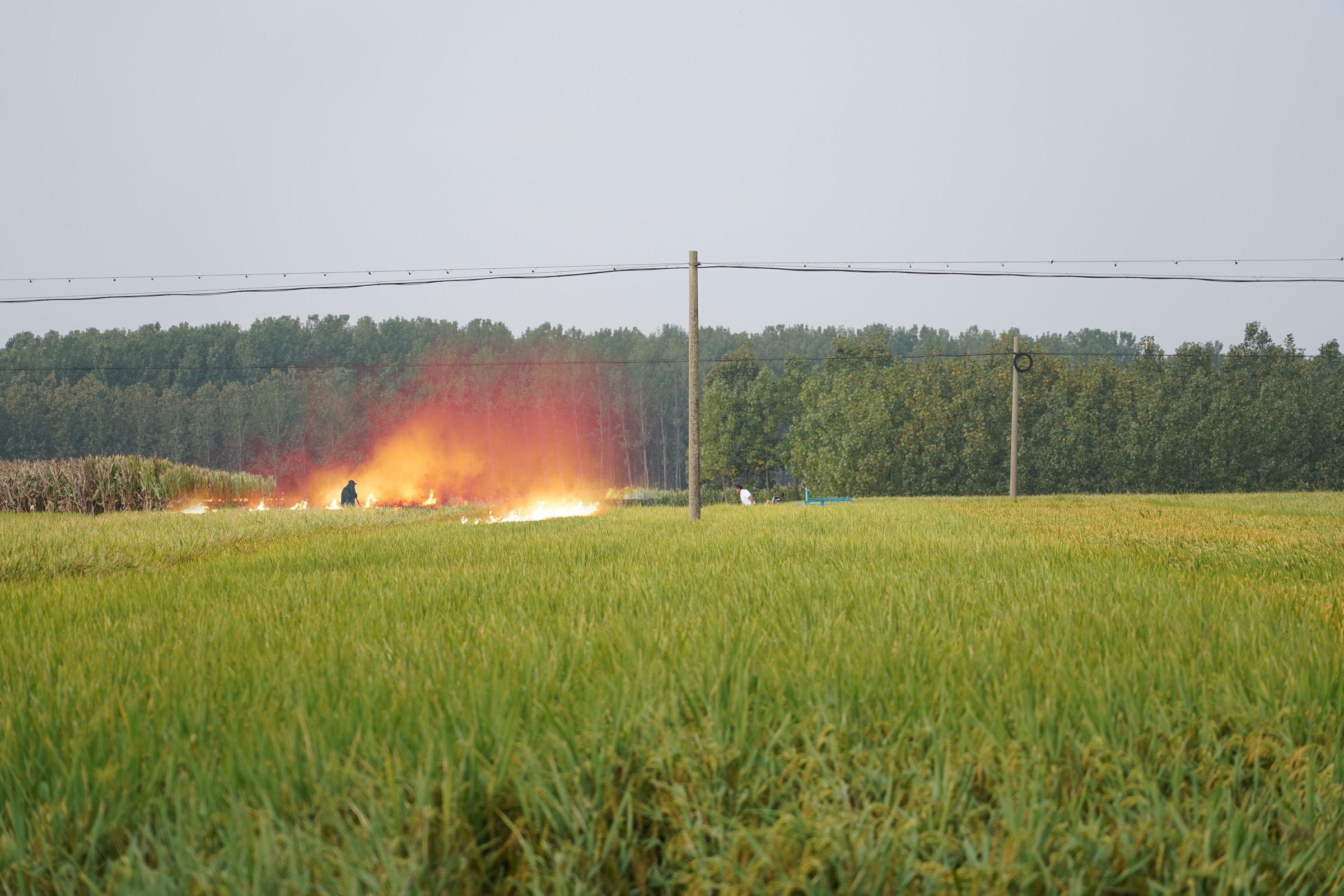
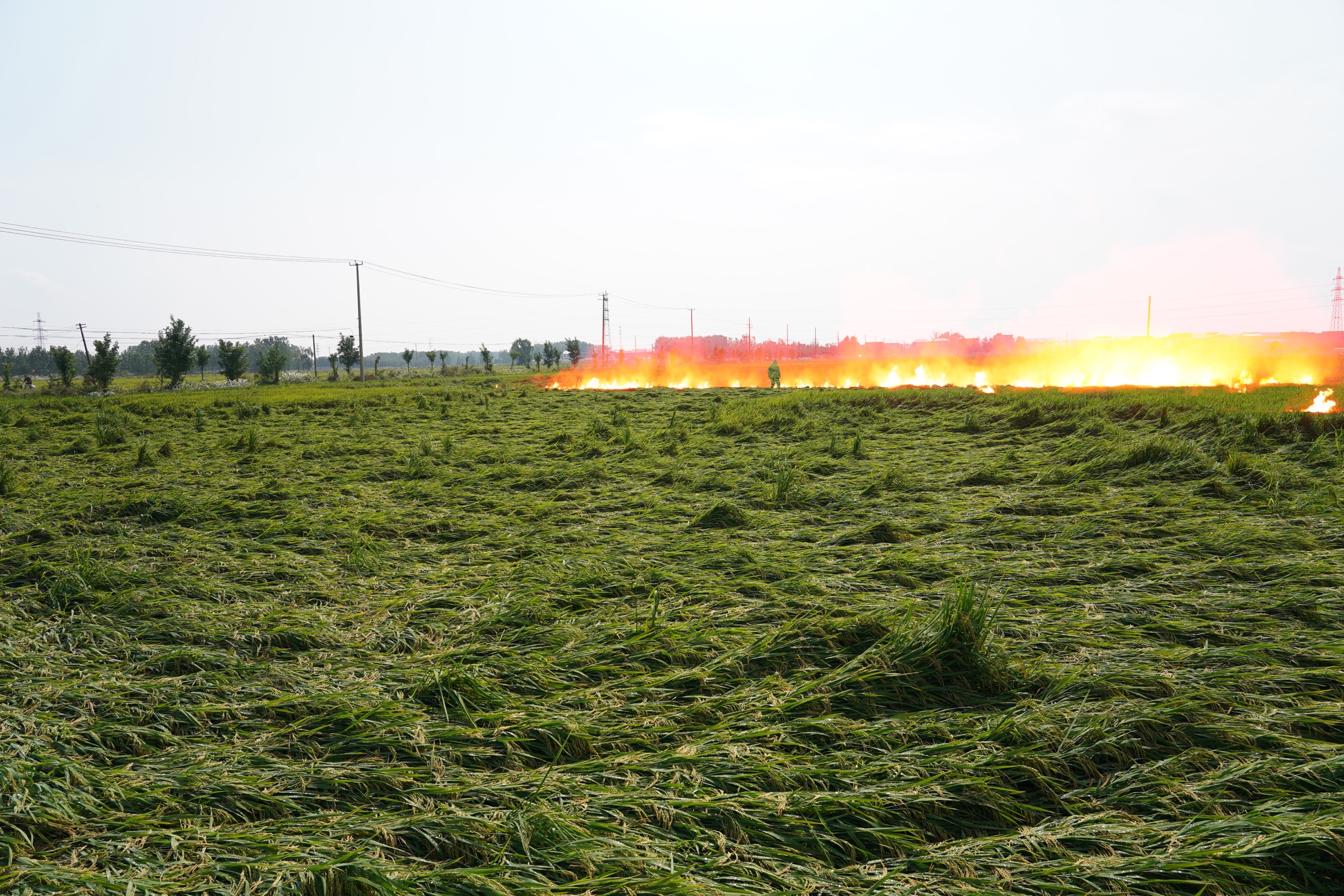
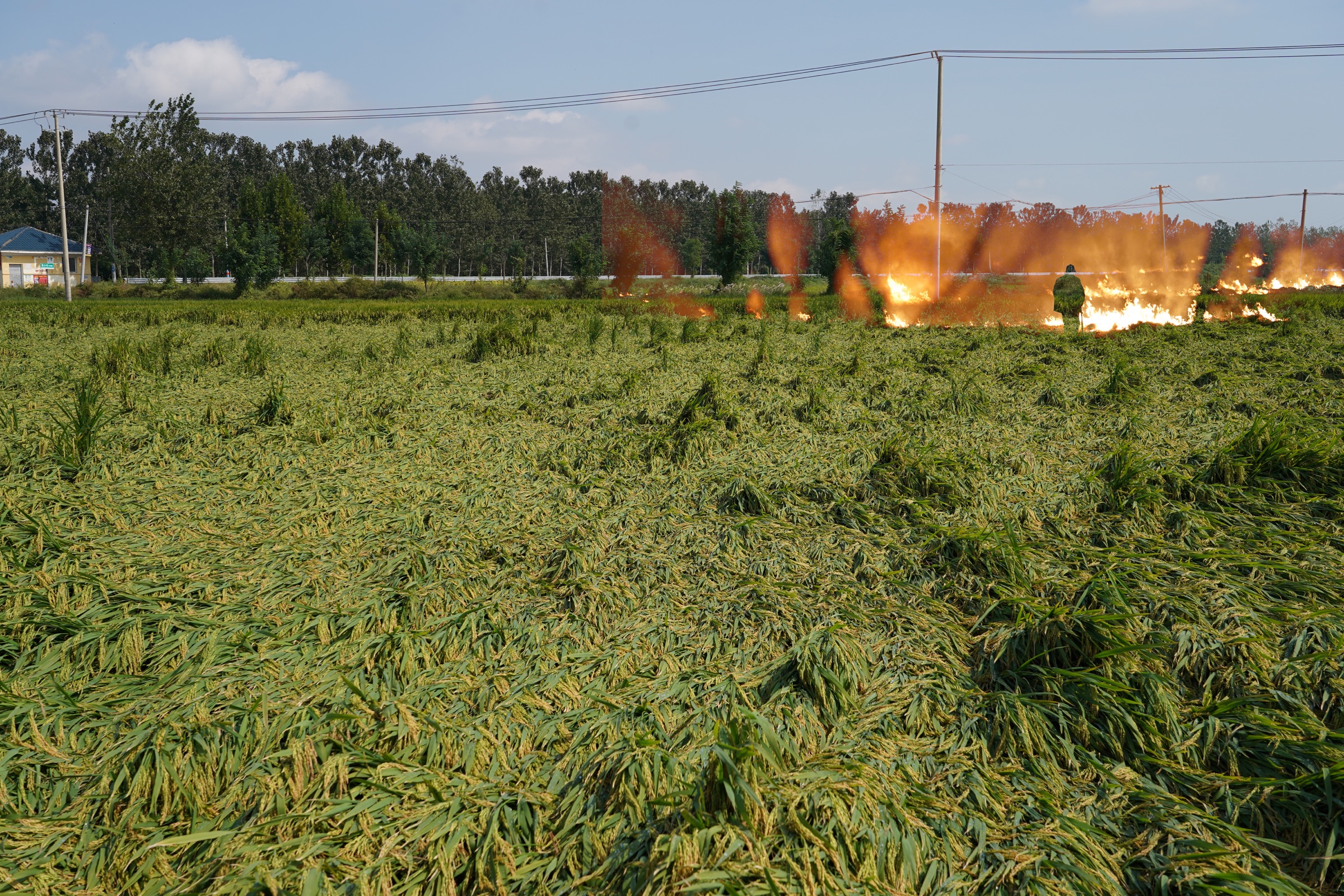
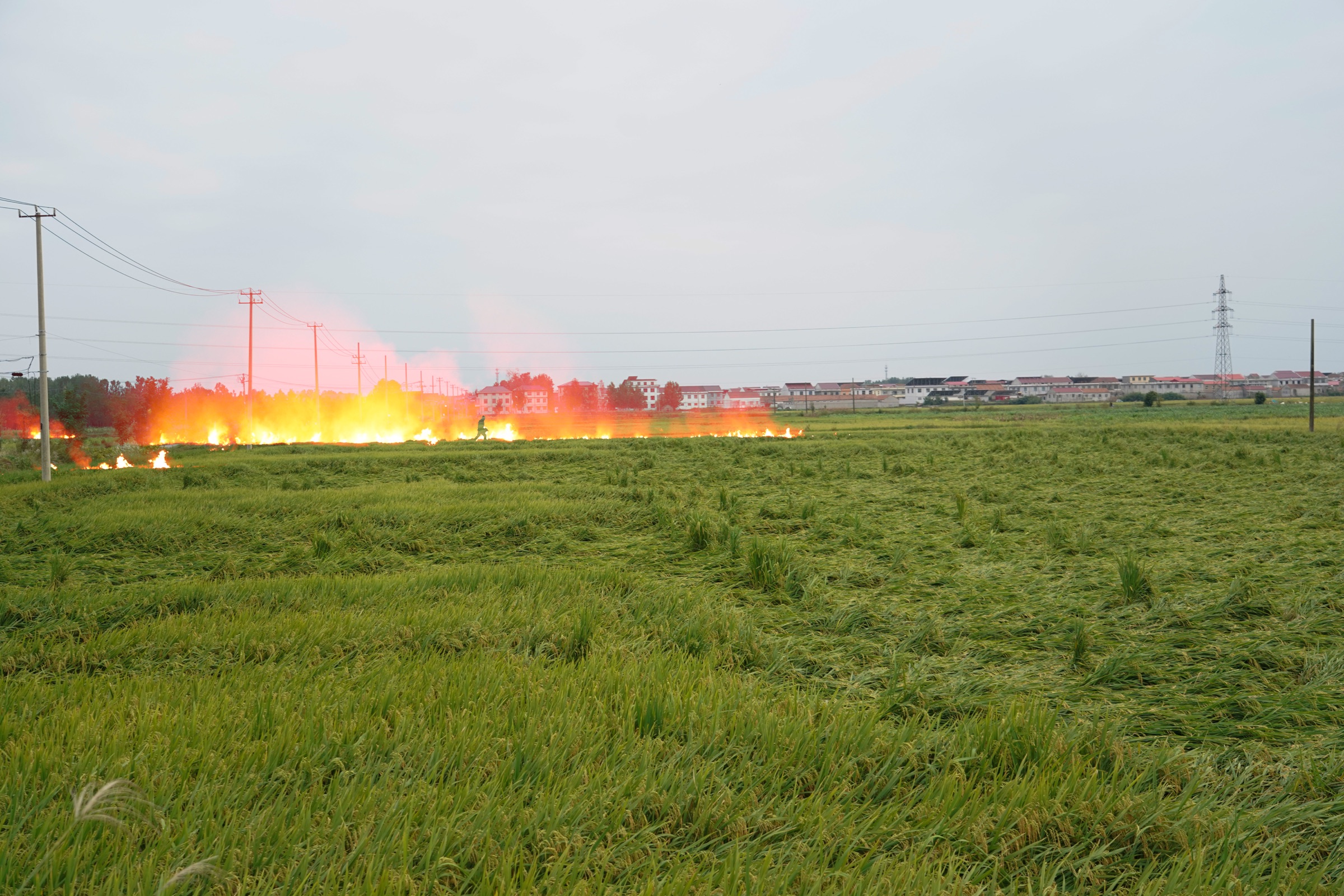
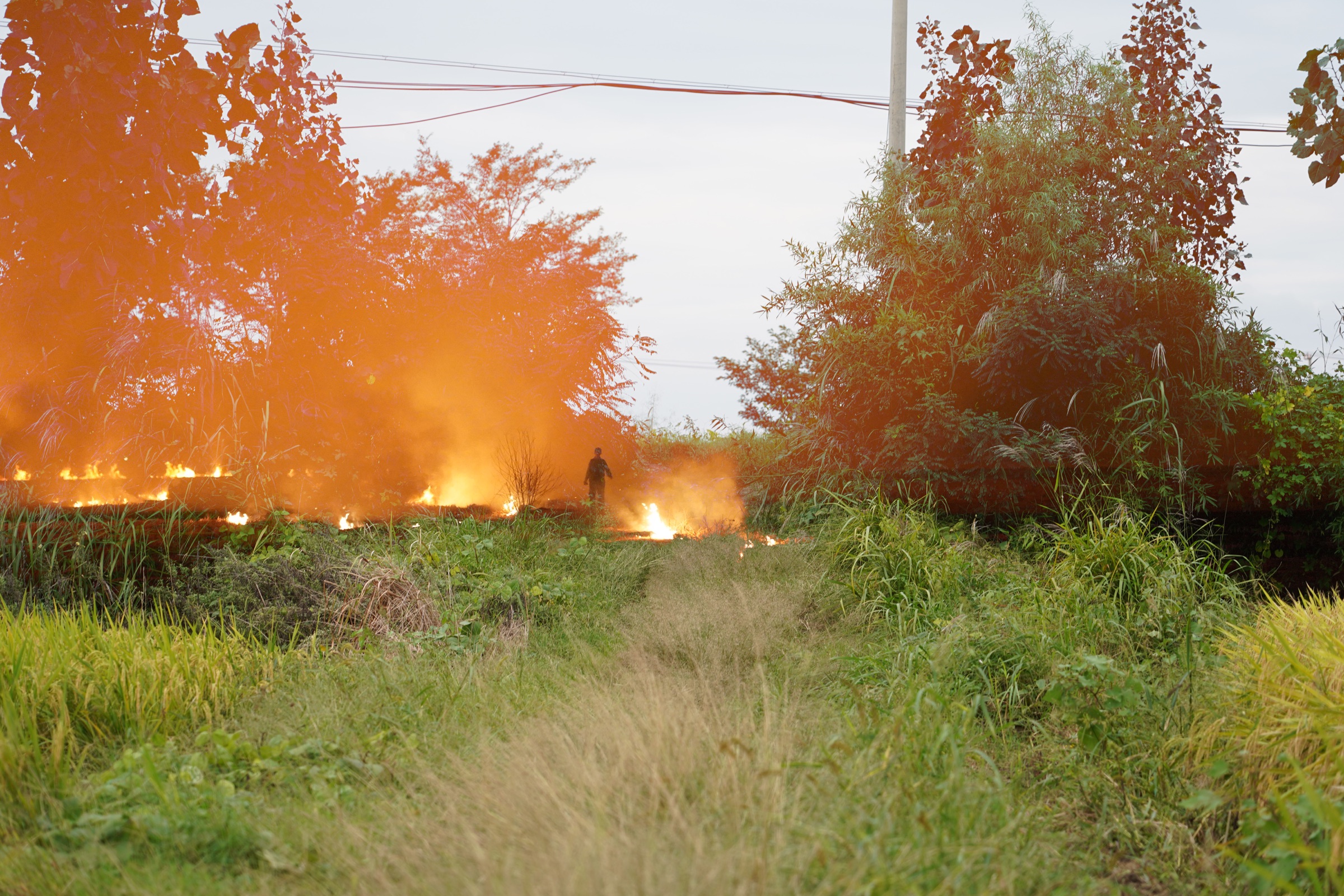
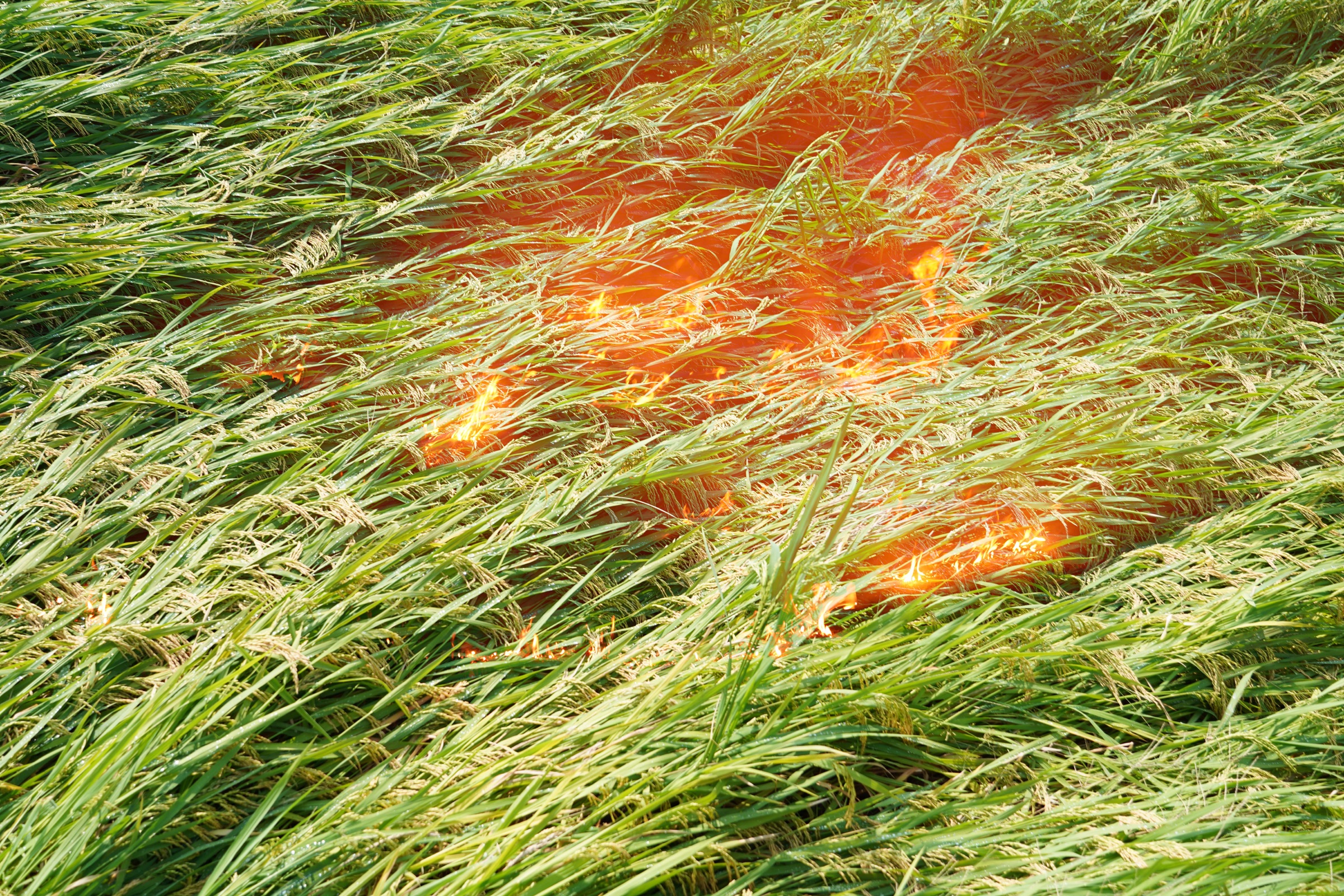
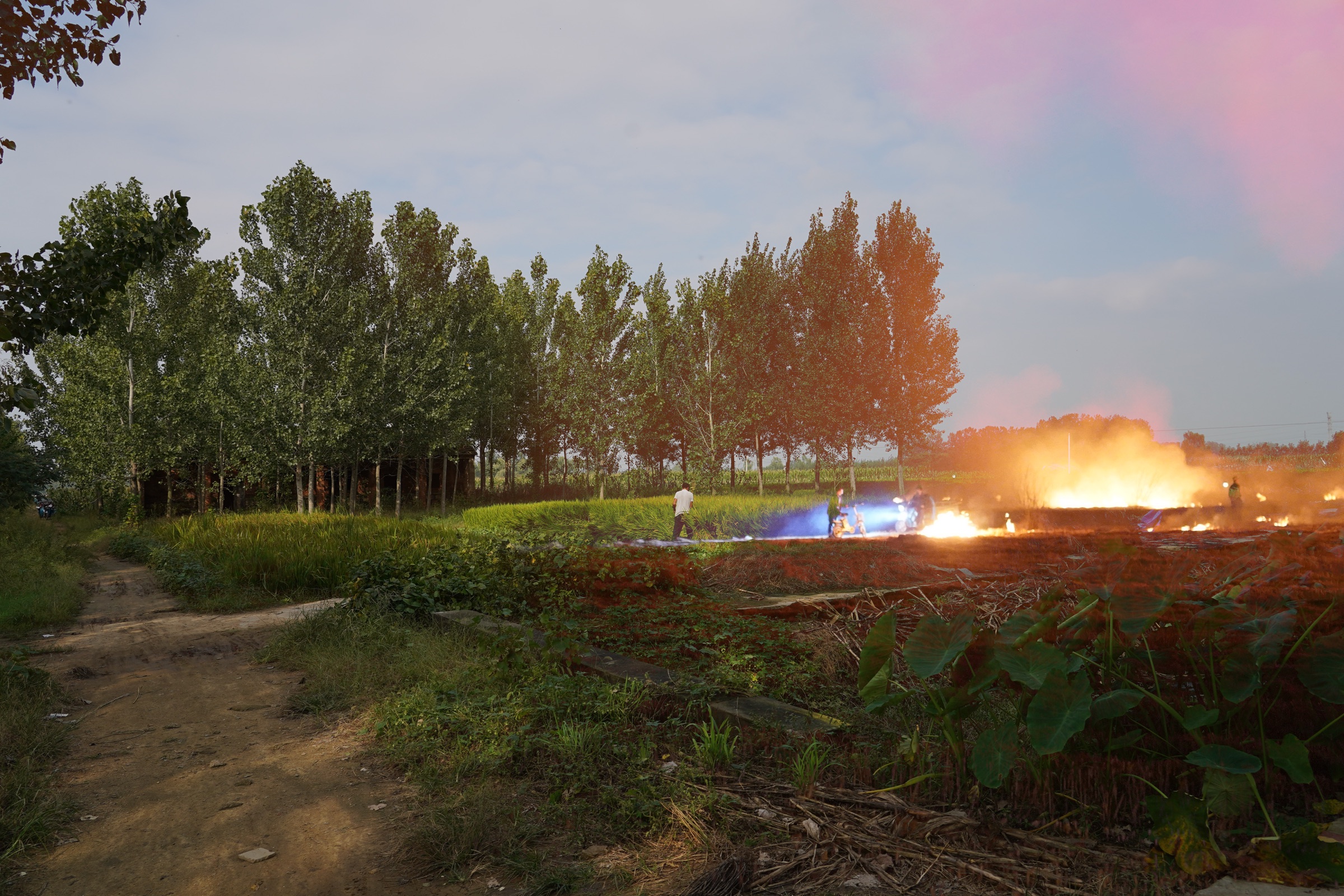
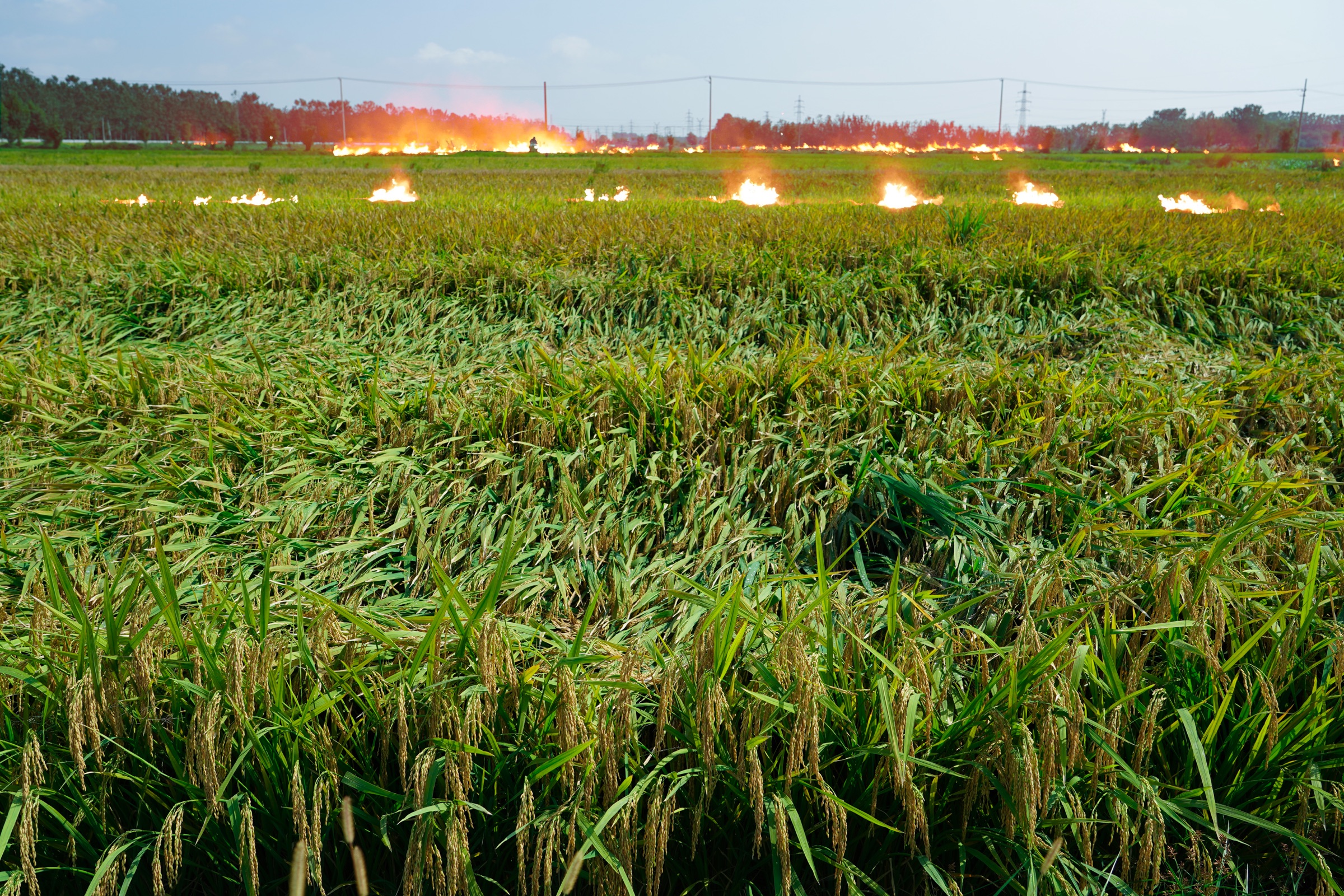
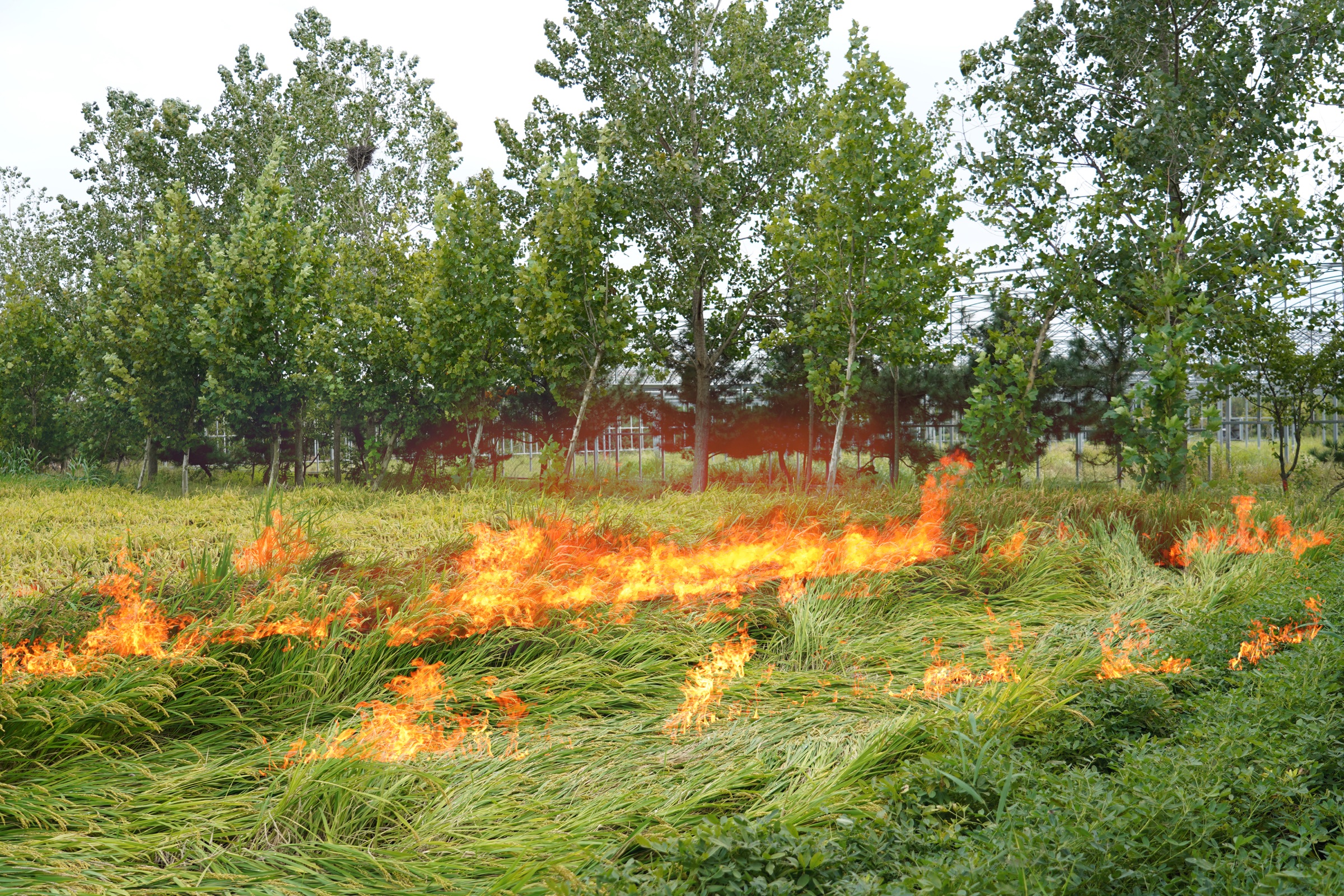
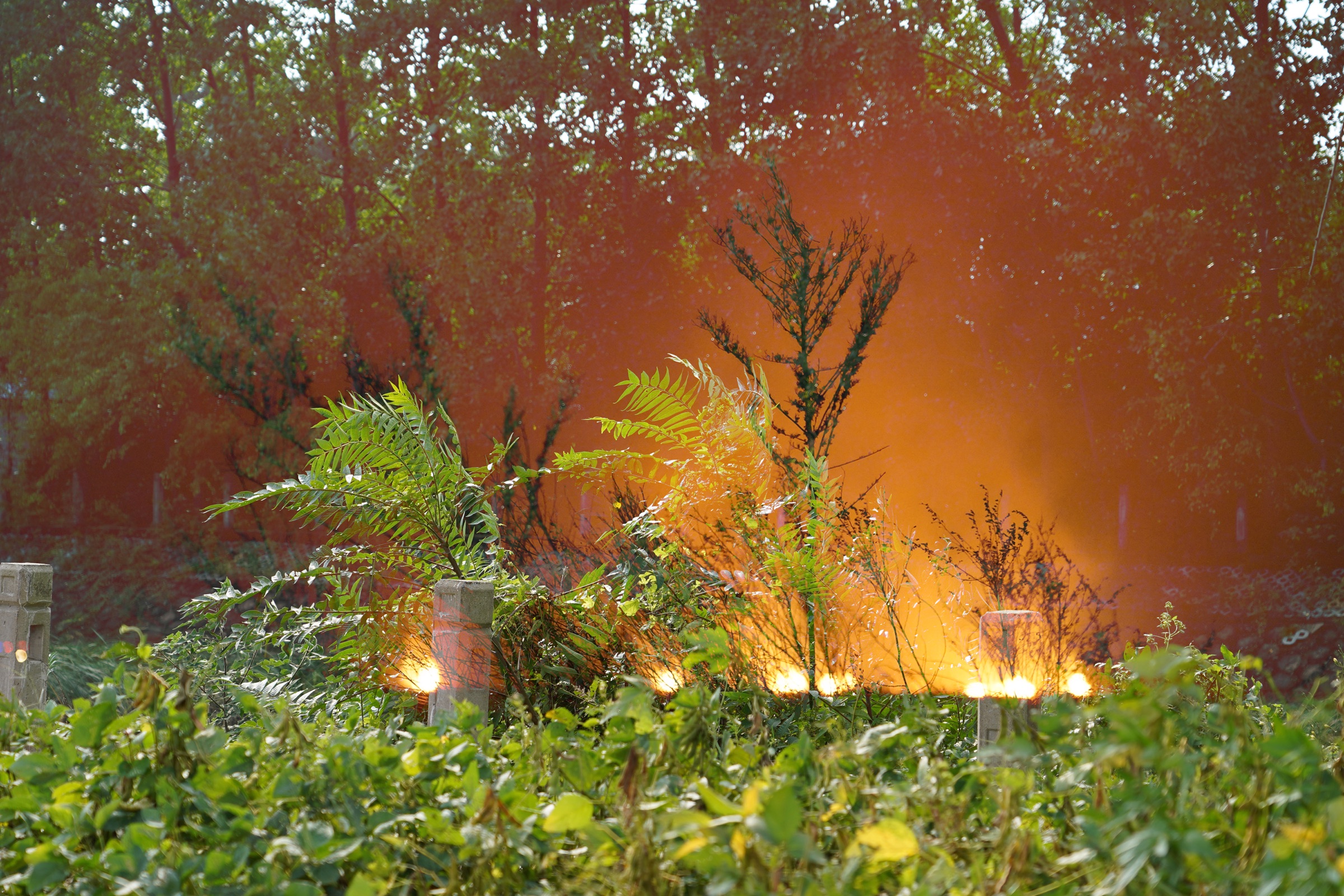
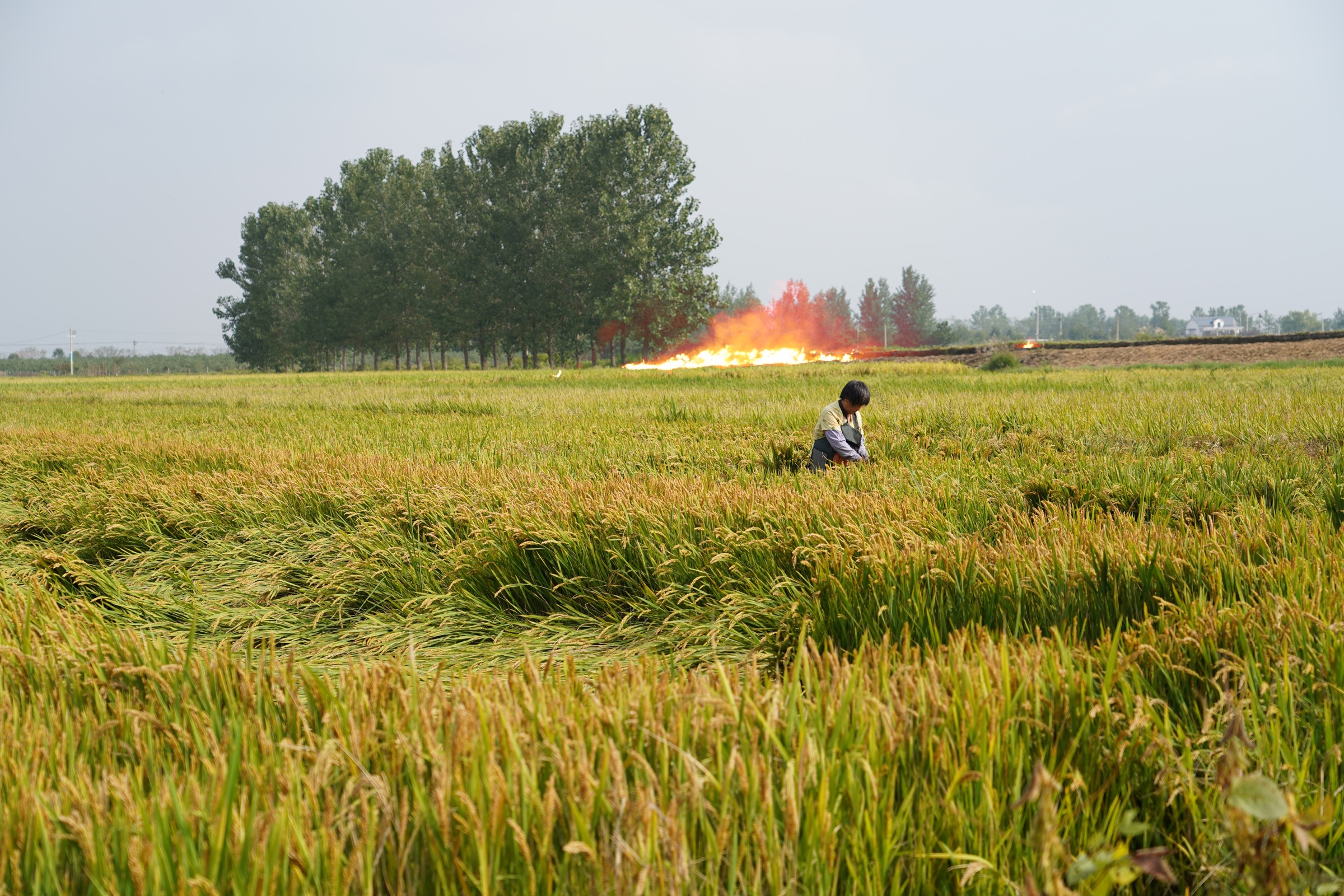
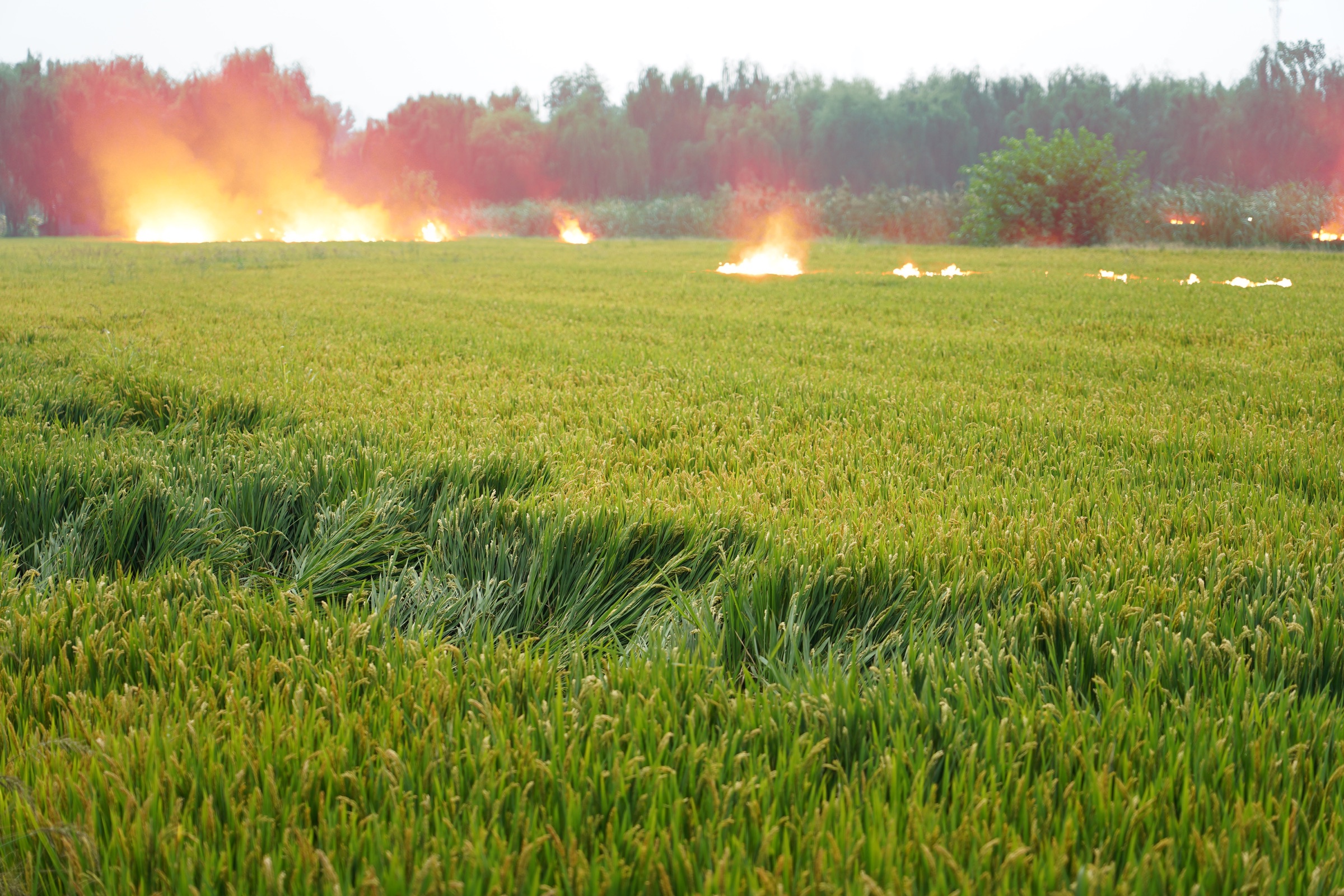
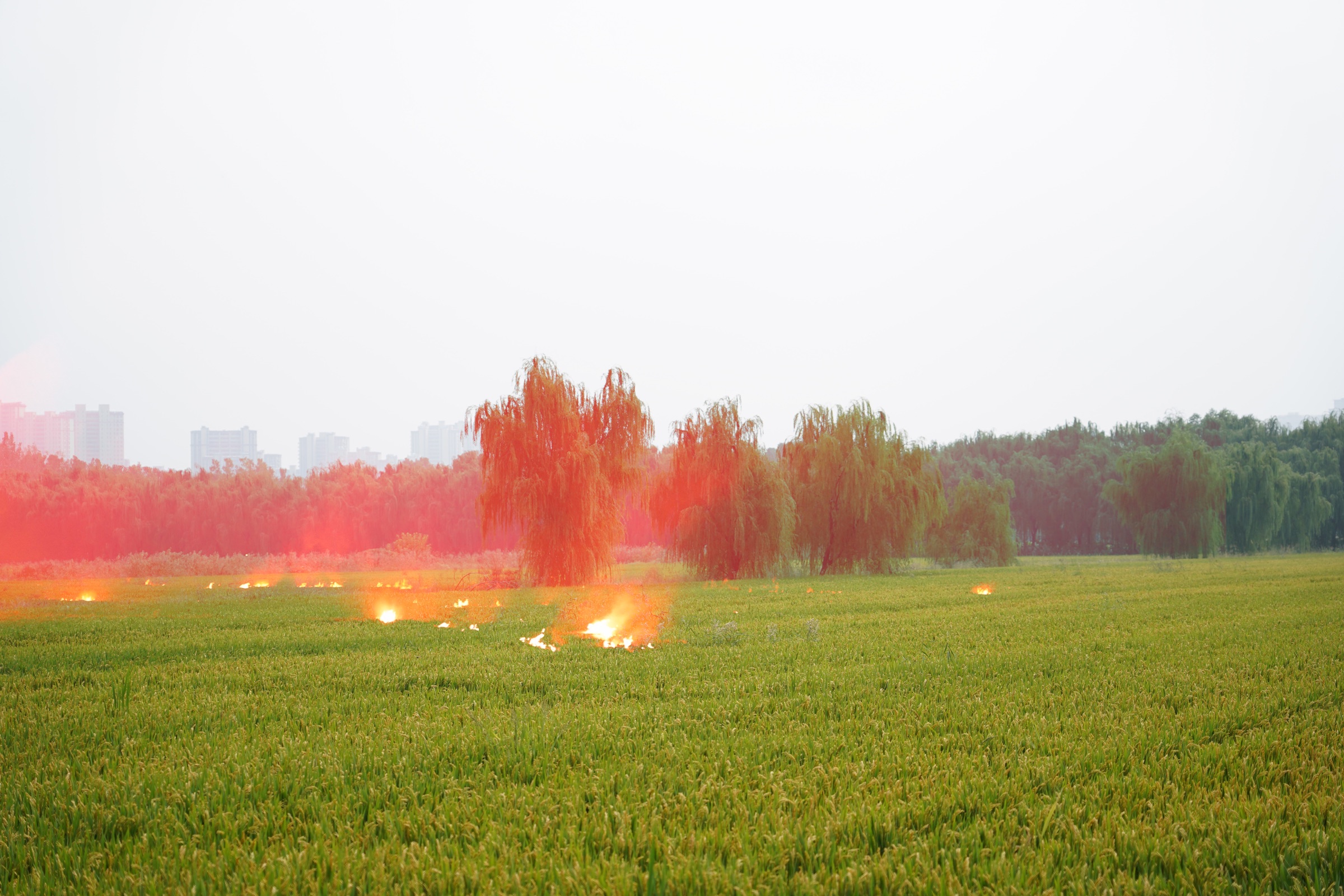
The Burning Prairie takes its title from a short story collection by the Mexican writer Juan Rulfo. After graduating from university, my visits back to my hometown were mostly limited to the Spring Festival period. As a result, my earliest photographs were almost all made in winter: cold, empty, desolate fields, and the fires of burning crop residue scattered across the land. These scenes of burning appeared both as seasonal agricultural practice and as a way for the land to breathe through winter.
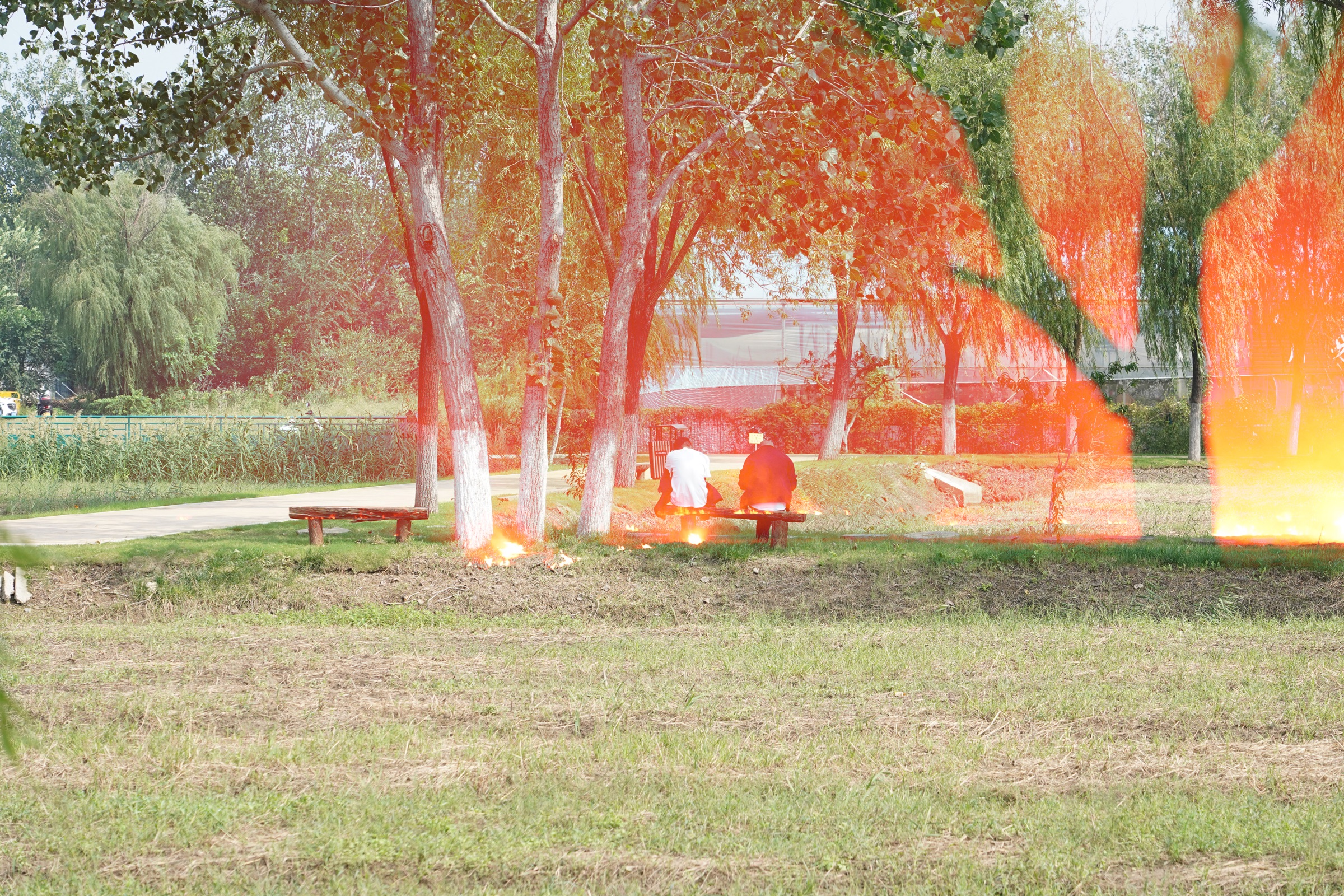
Several years ago, my grandfather was diagnosed with lung cancer. When I returned home to visit him in late summer, I encountered another side of my hometown more fully than before. Compared with winter, the landscape was entirely different: plants were thriving, the fields were humid, dense, and full of vitality. It also differed sharply from the relatively singular image of hometown I had carried in memory. From that point on, I began placing together rural scenes photographed in different seasons, using them to reconsider the land more closely.
Through this ongoing process, I gradually realised that the same land which appears barren and burning in winter becomes intensely alive again in spring and summer. Since the beginning of agriculture, the seasonal cycle of this landscape seems to have continued in much the same way: burning, dormancy, germination, growth, harvest, and burning again. Within this cycle, the land continually sustains human life while also holding the passage of time.
A year later, my grandfather passed away. When I returned once more, I became more aware that human life, too, seems to burn, fade, disappear, and grow again upon this land. In this sense, The Burning Prairie is no longer simply a record of rural scenery or agricultural activity; it also becomes a way of thinking about cycles of life, family memory, and the relationship between people and the land. The work reflects on how natural rhythms can mirror human fate, unfolding between seasonal change and personal experience.