Living in the Suburbs
Part of 36 Kilometres: From Home to Work
- Year
- 2021–2024
- Medium
- Photography
- Dimensions
- Dimensions variable
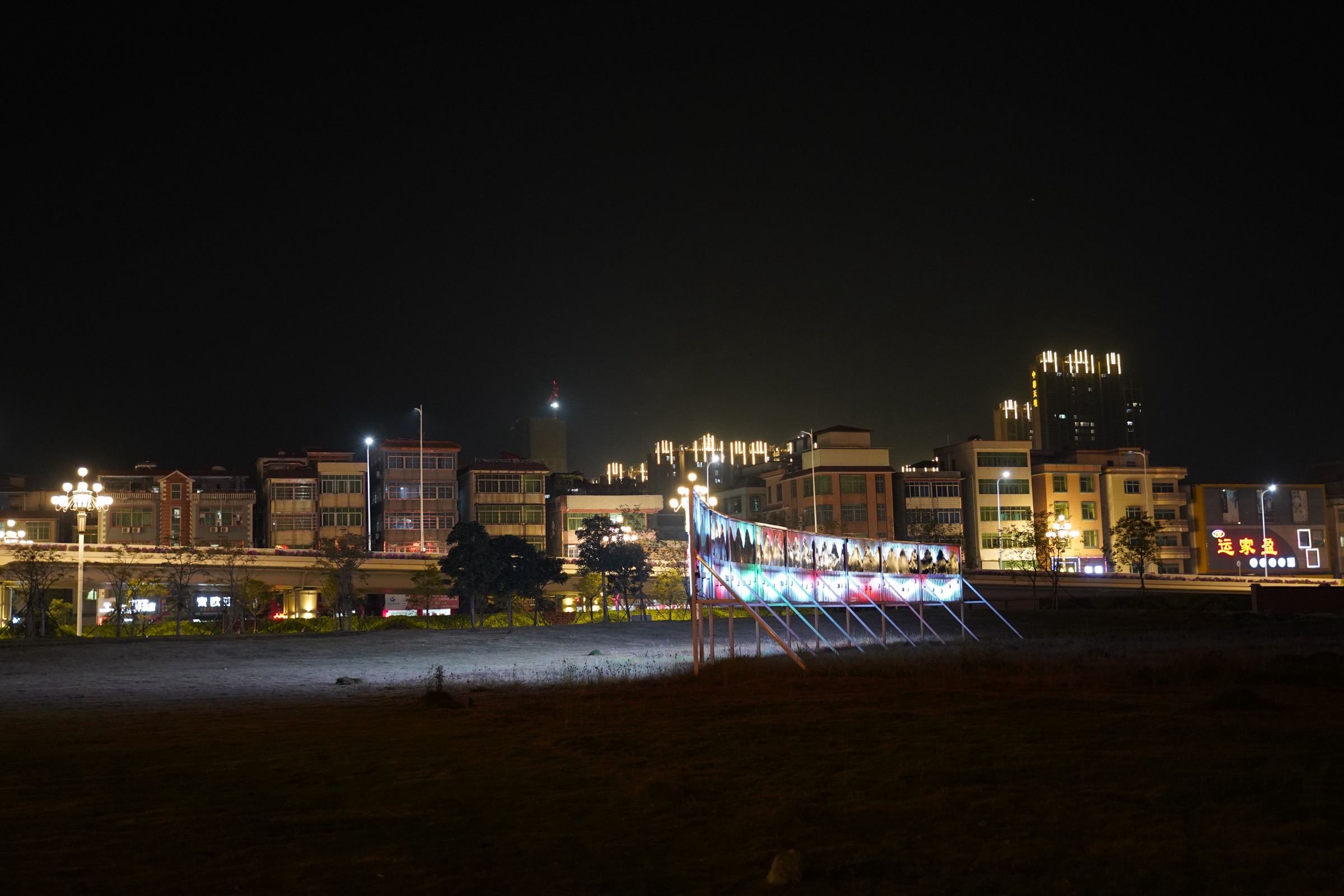
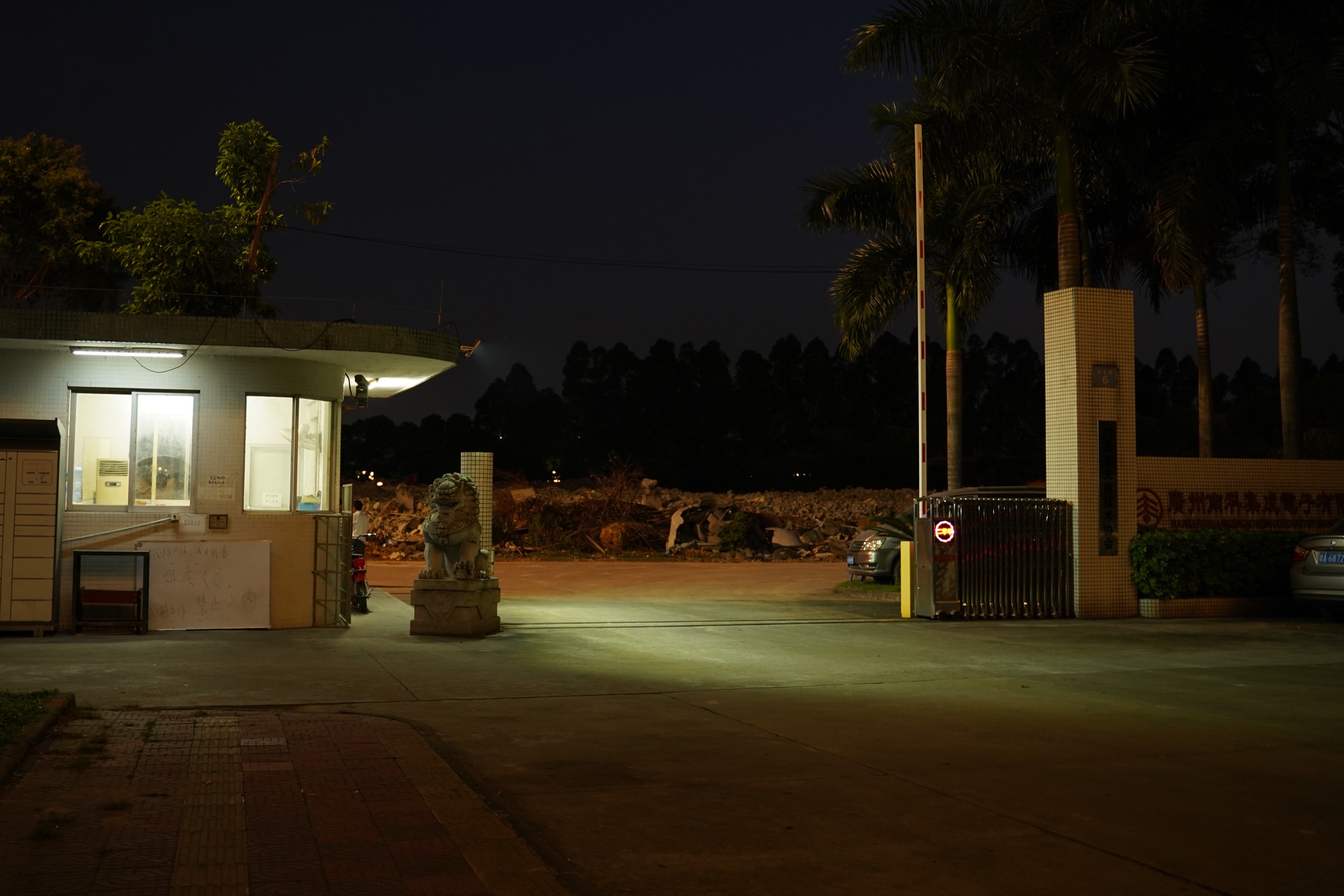
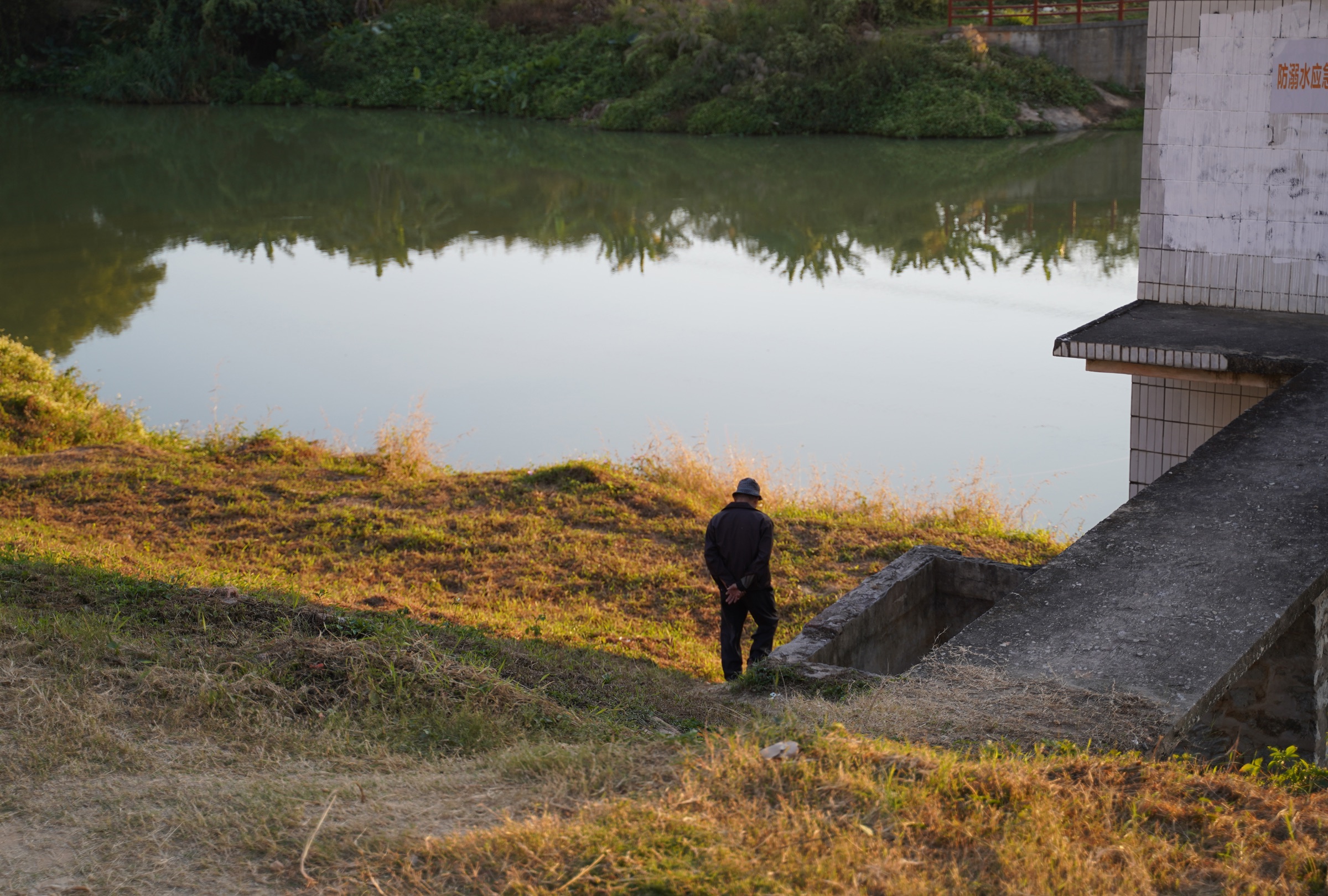
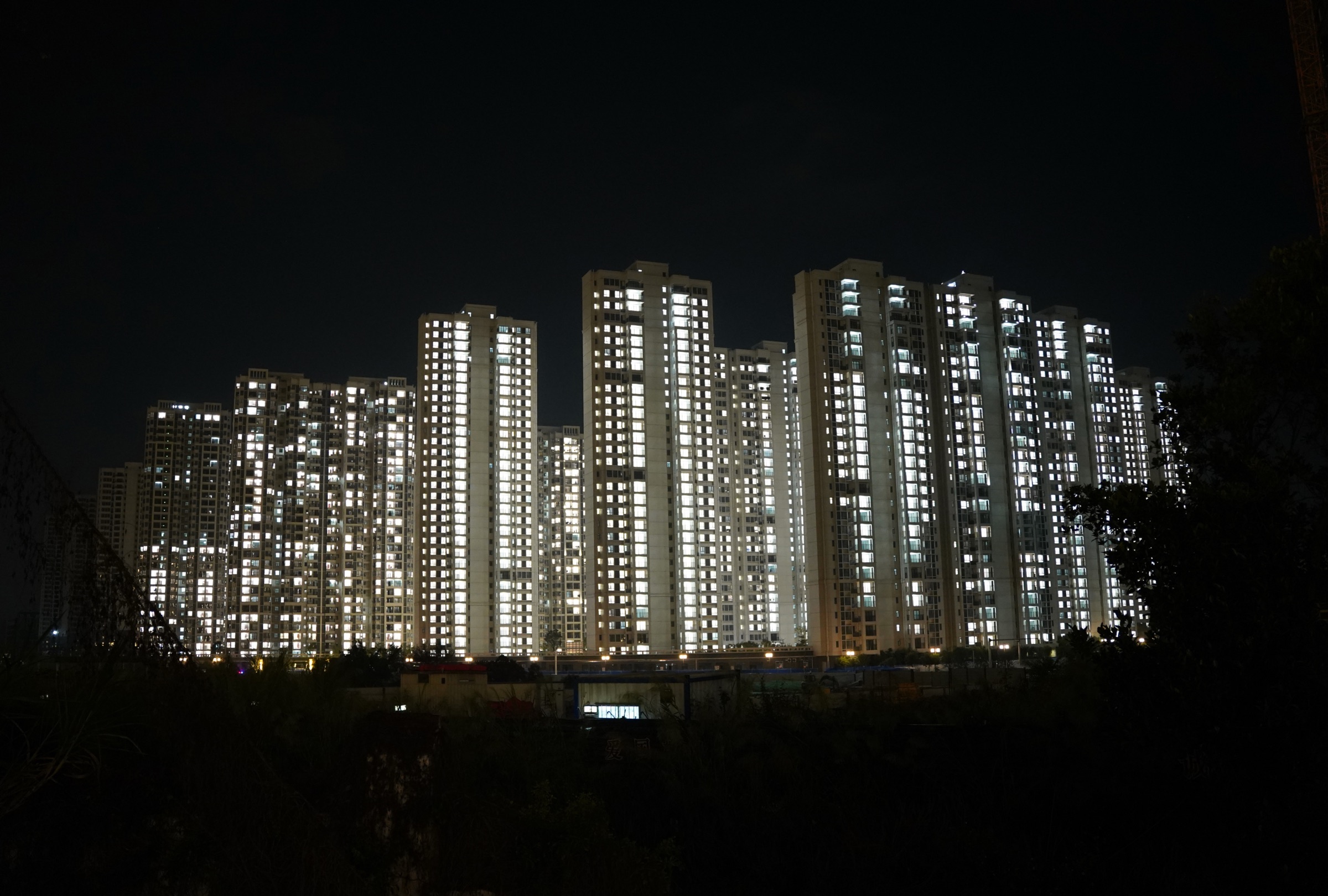
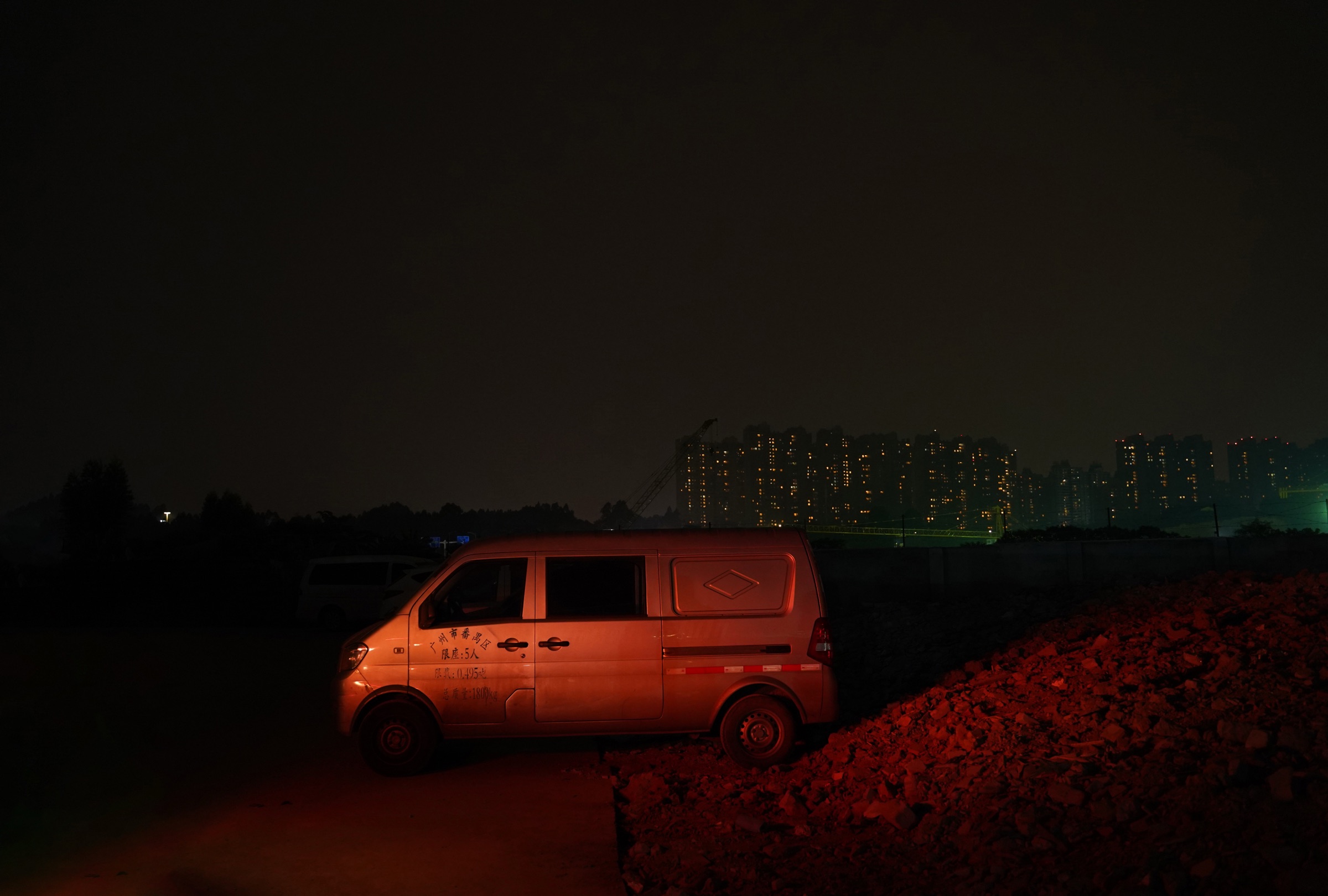
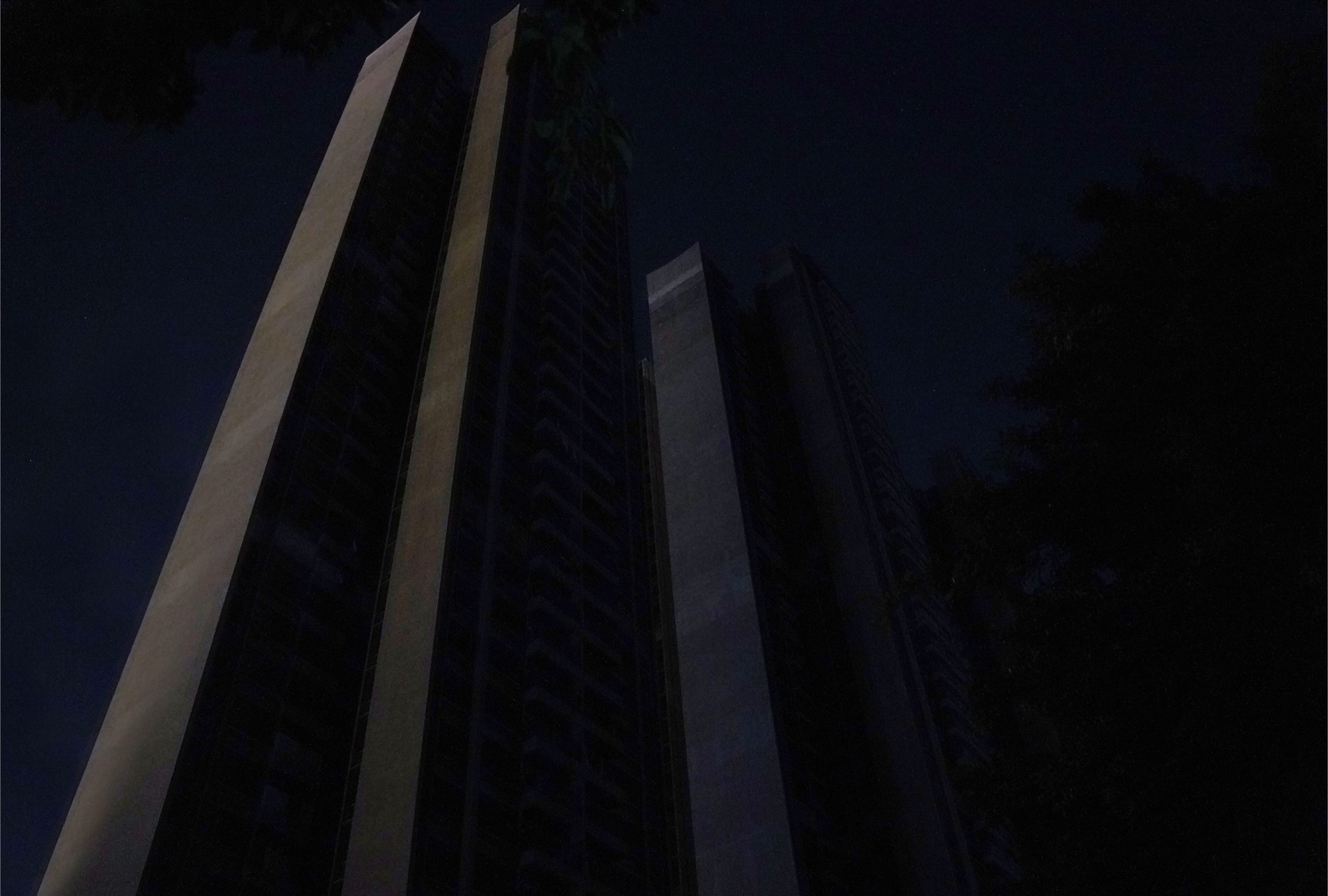
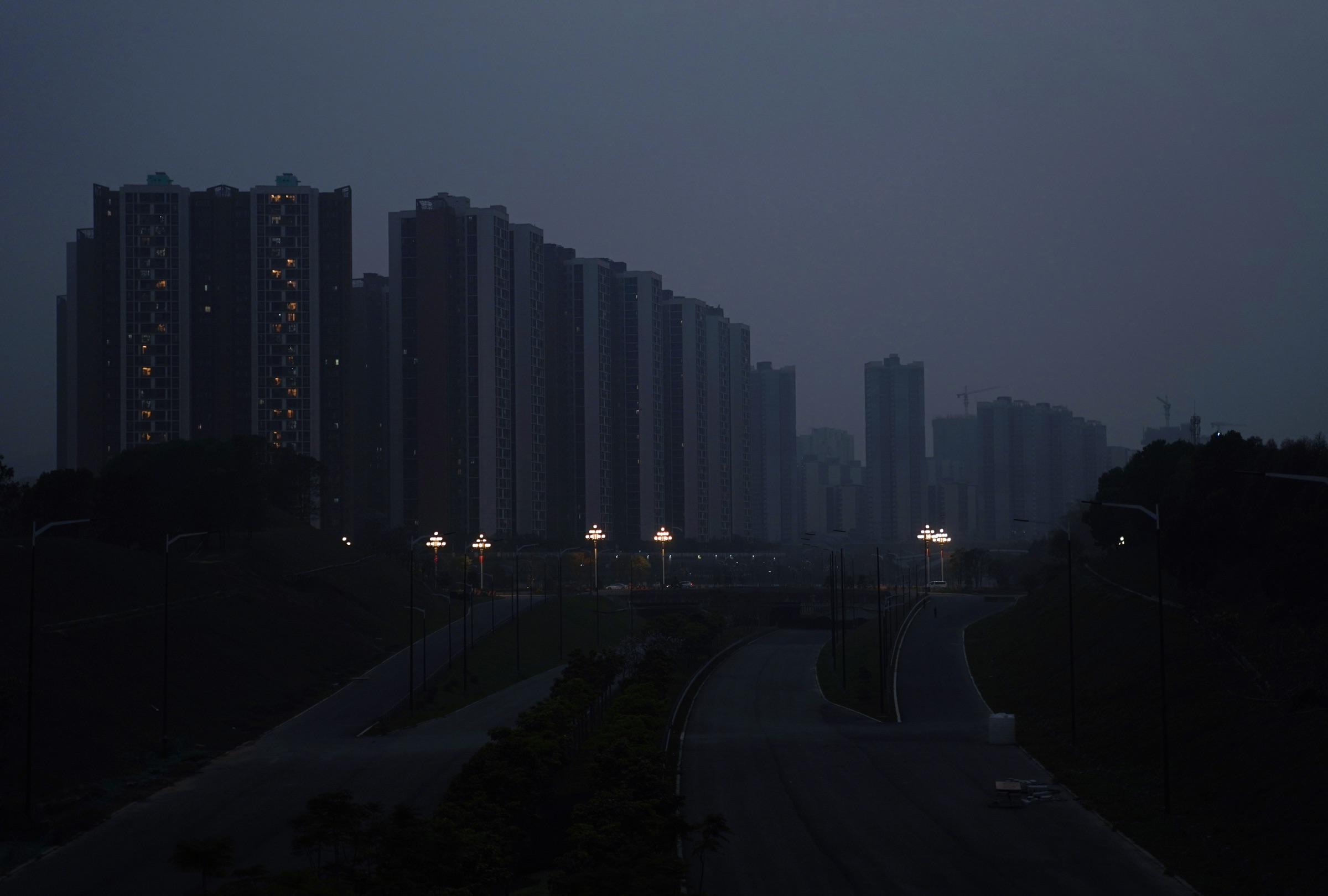
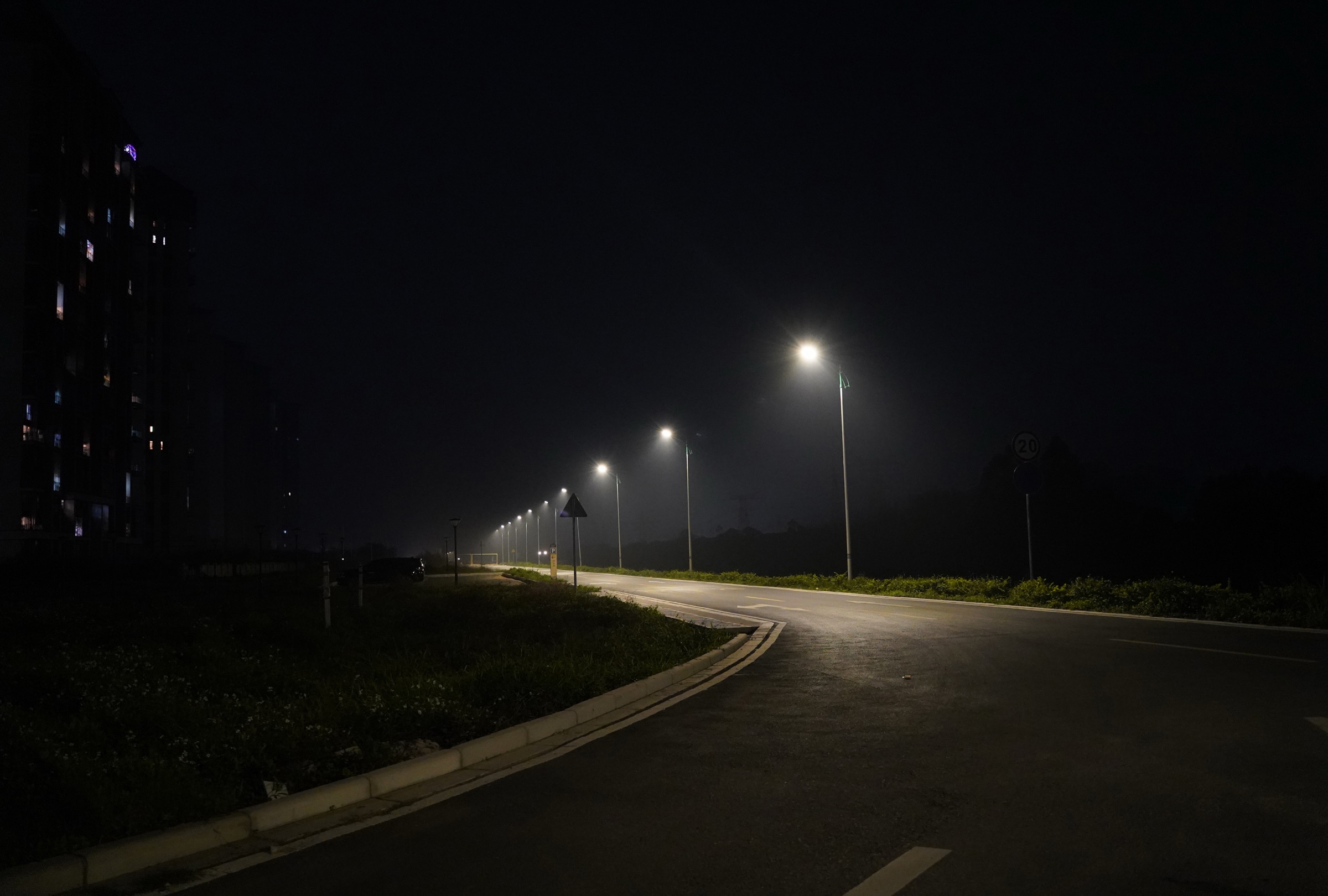
Living at the Edge was photographed in a large residential district on the outskirts of Guangzhou, an area often described as a “sleeping city.” Located far from the city centre, it has a relatively low population density and more affordable housing. Every morning, large numbers of residents leave for work across the city, returning at night. When I first moved there, I also understood it primarily as a peripheral space designed to accommodate housing and sleep.
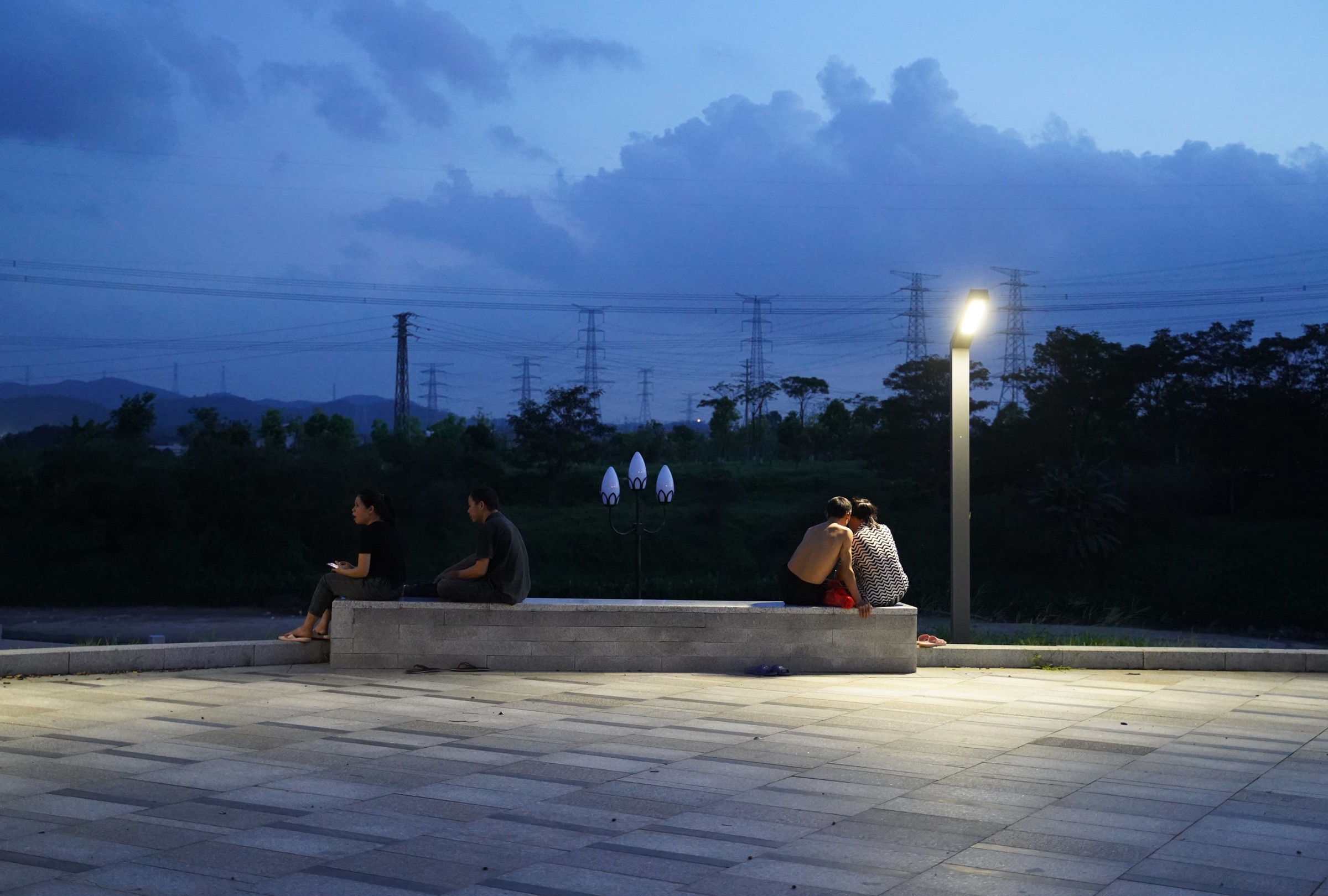
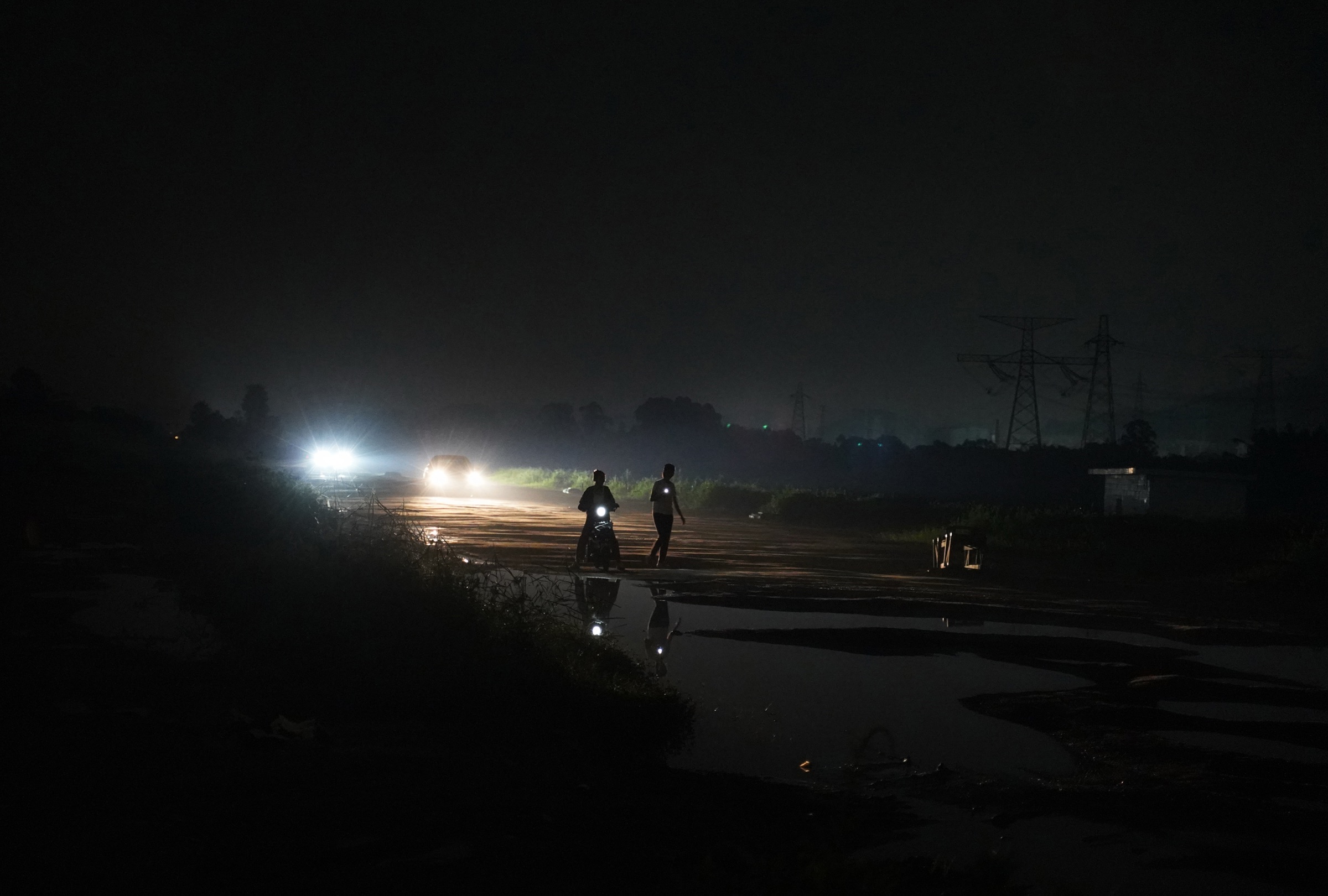
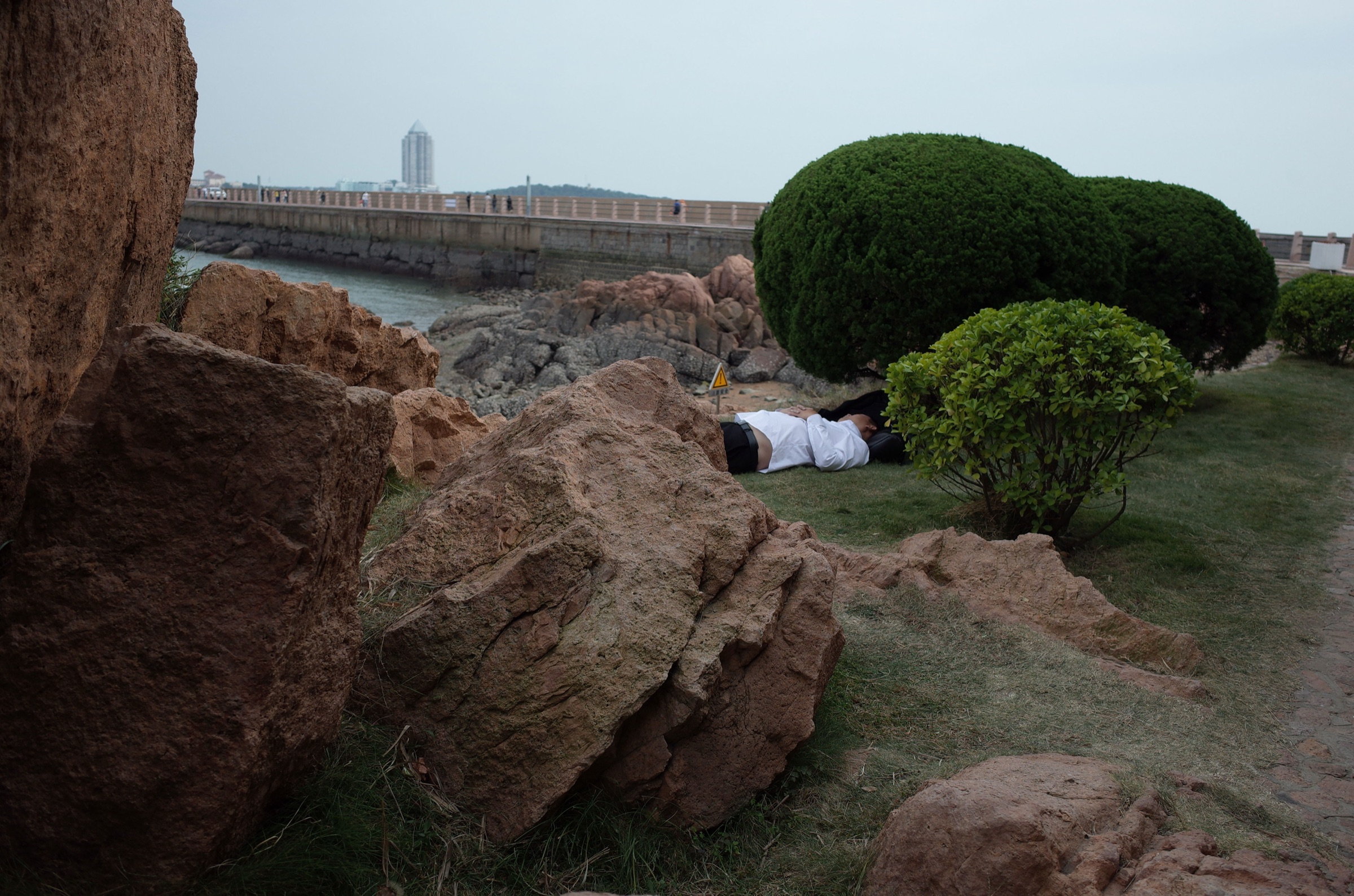
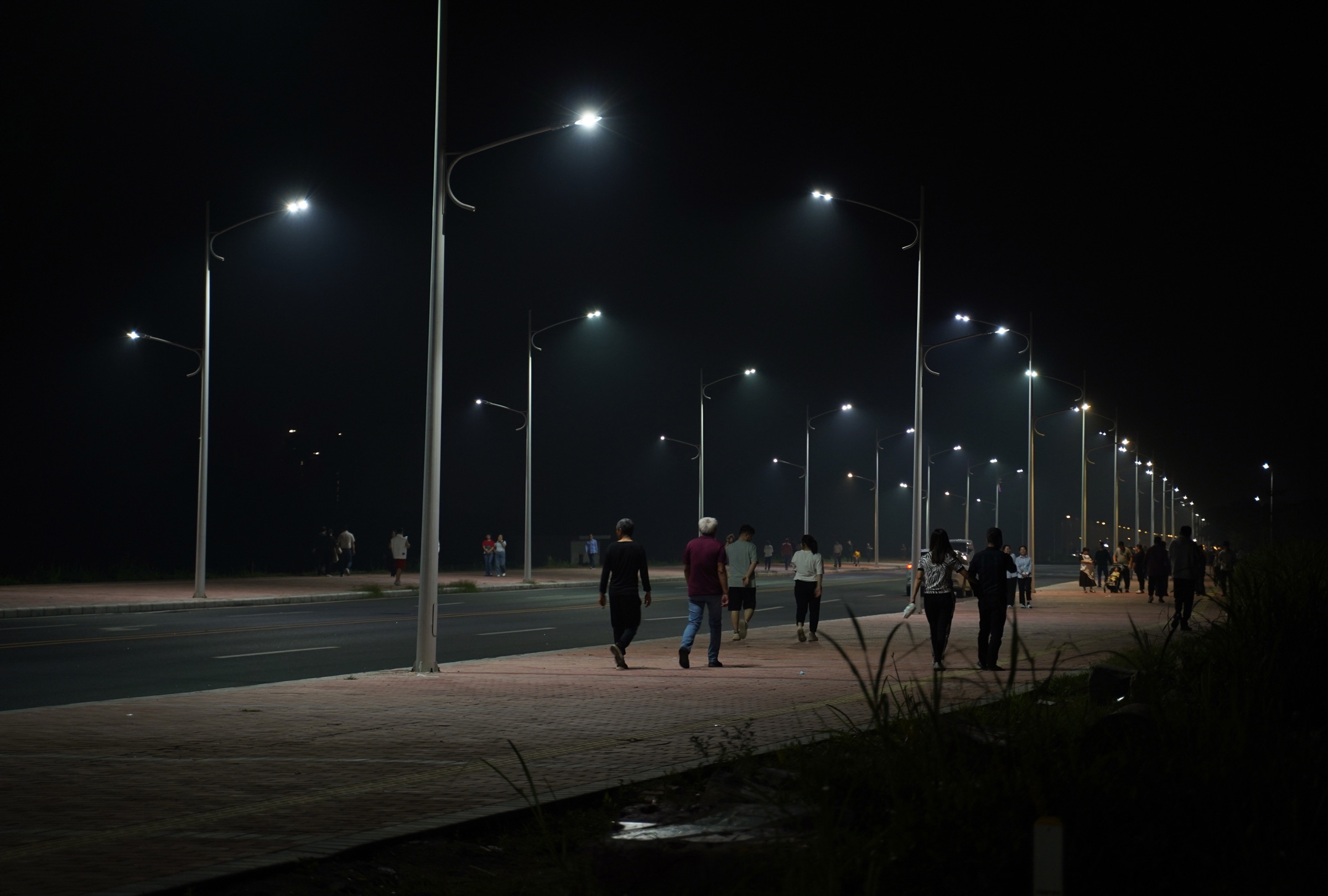
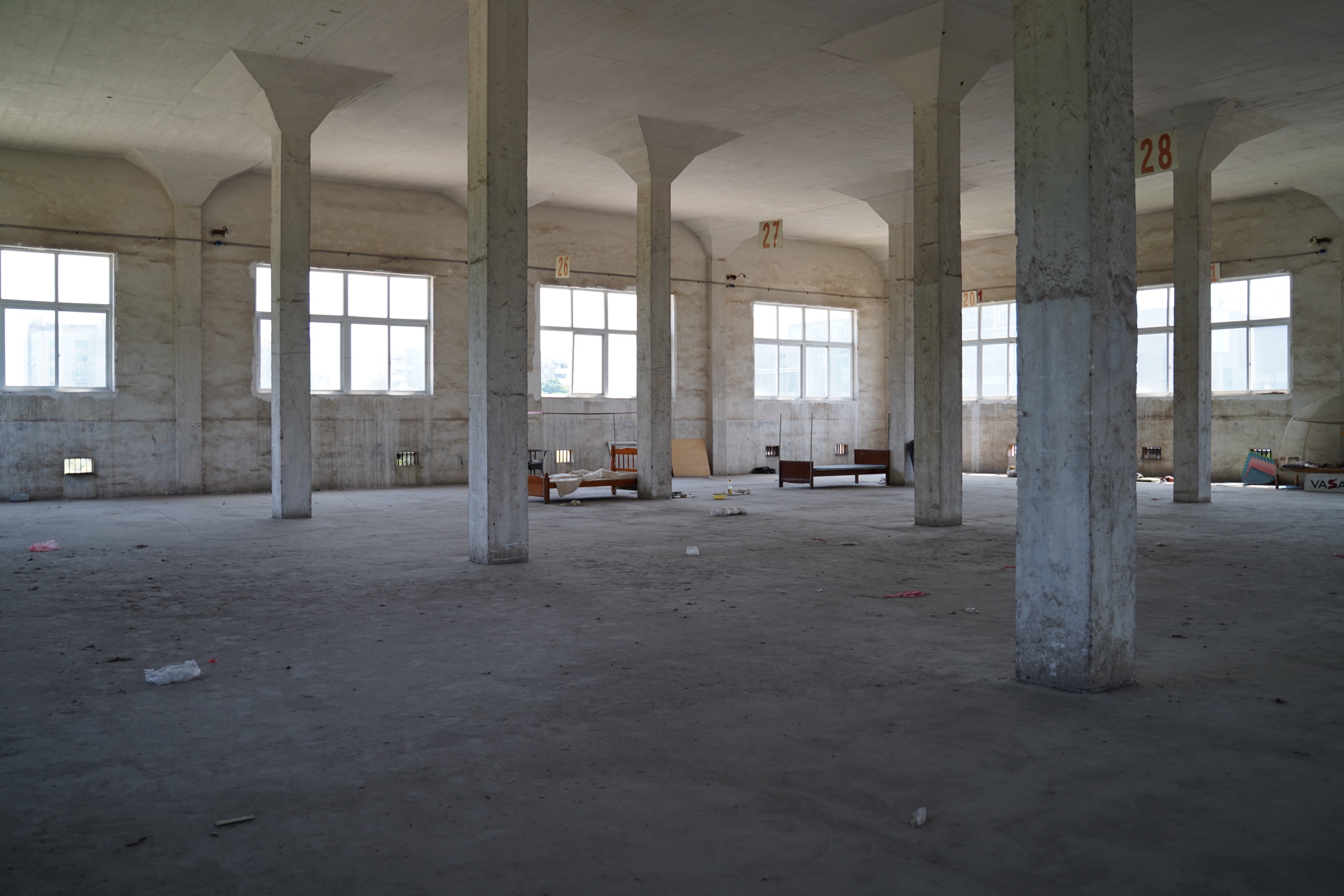
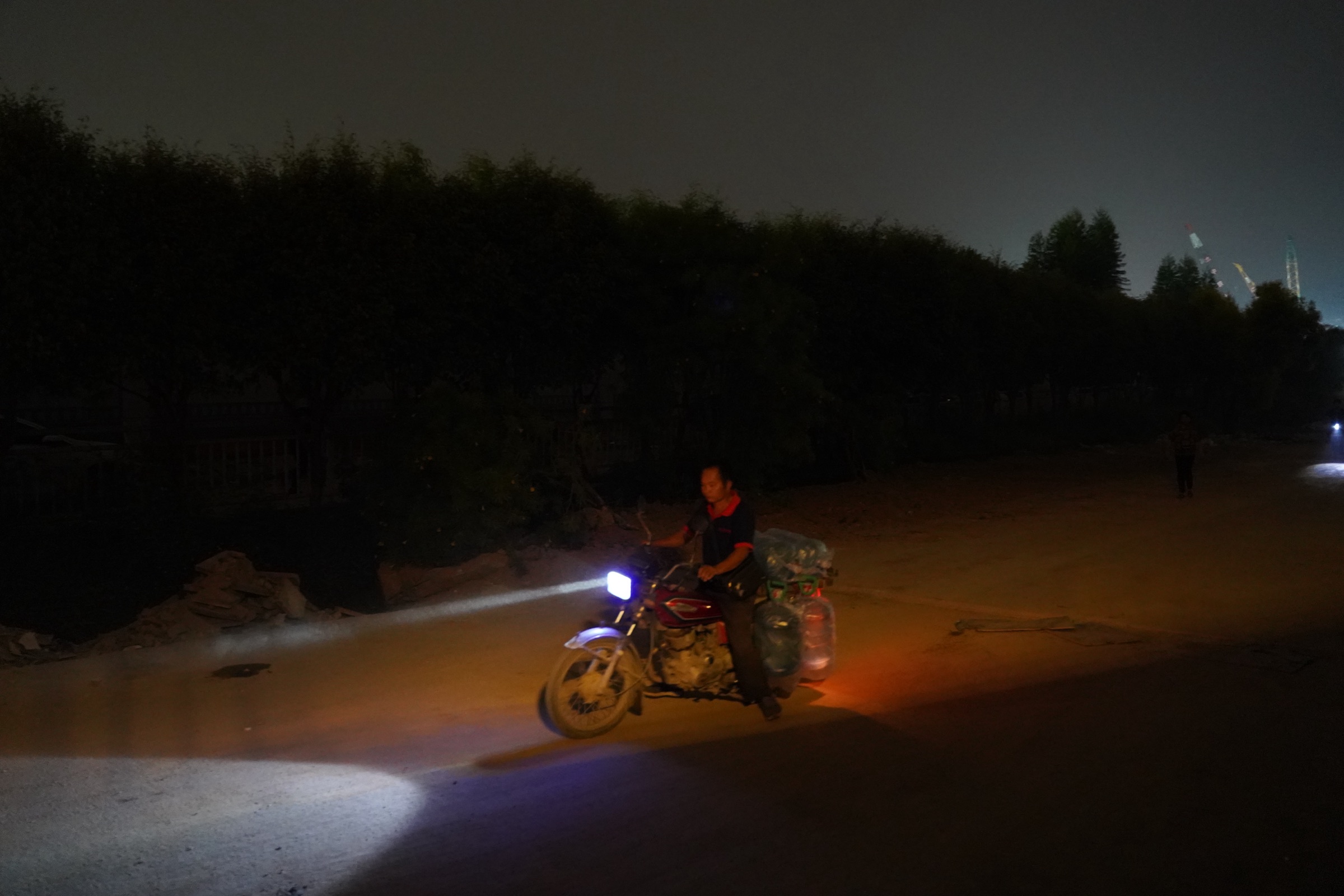
Over time, however, the term “sleeping city” began to feel inadequate. From the perspective of urban planning and the city centre, the district occupies the periphery. For those who live there, it is the setting of everyday life. Among apartment blocks, roads, shops, vacant land, and temporary structures, people work, rest, raise children, build relationships, and establish their own forms of daily order.
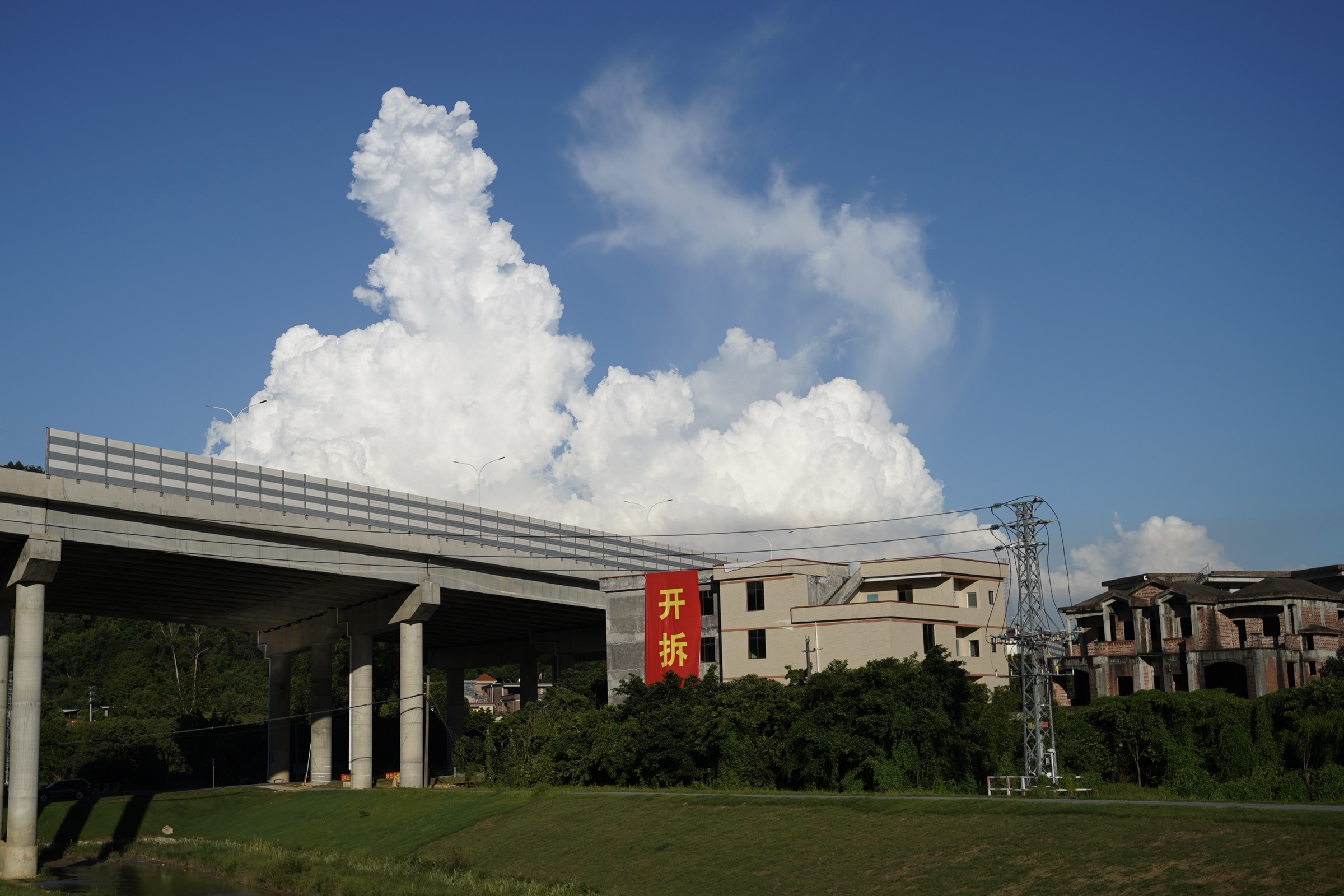
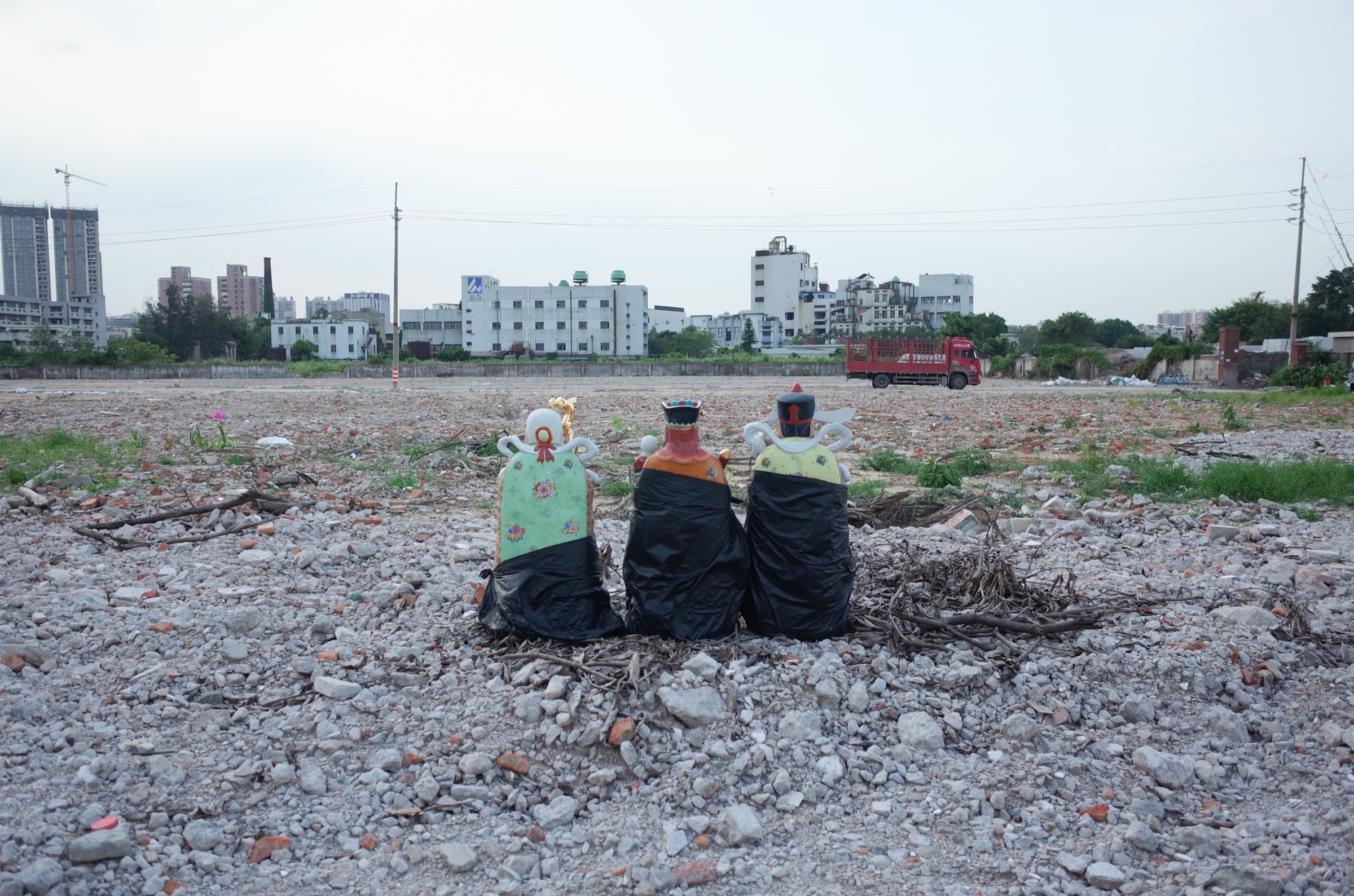
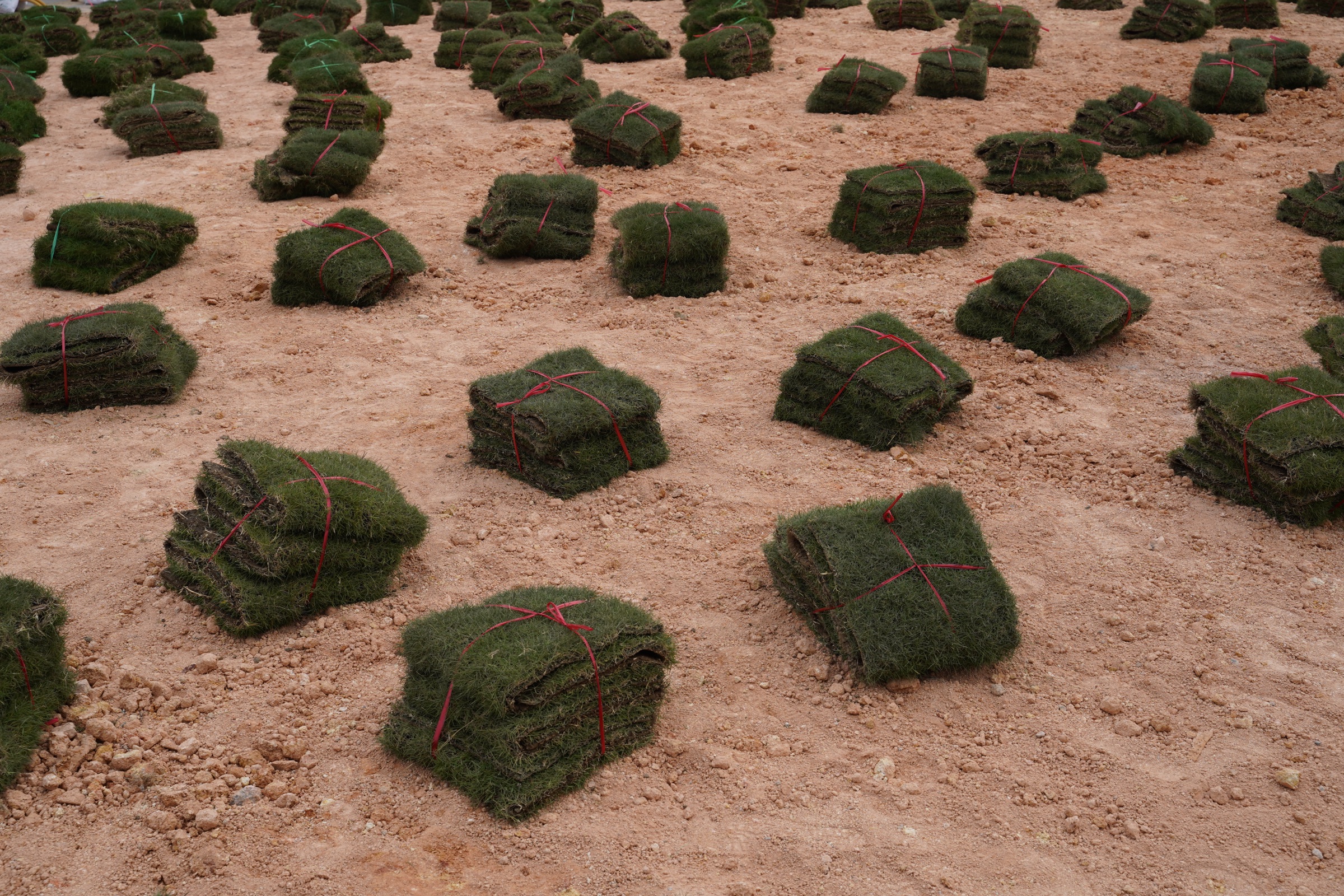
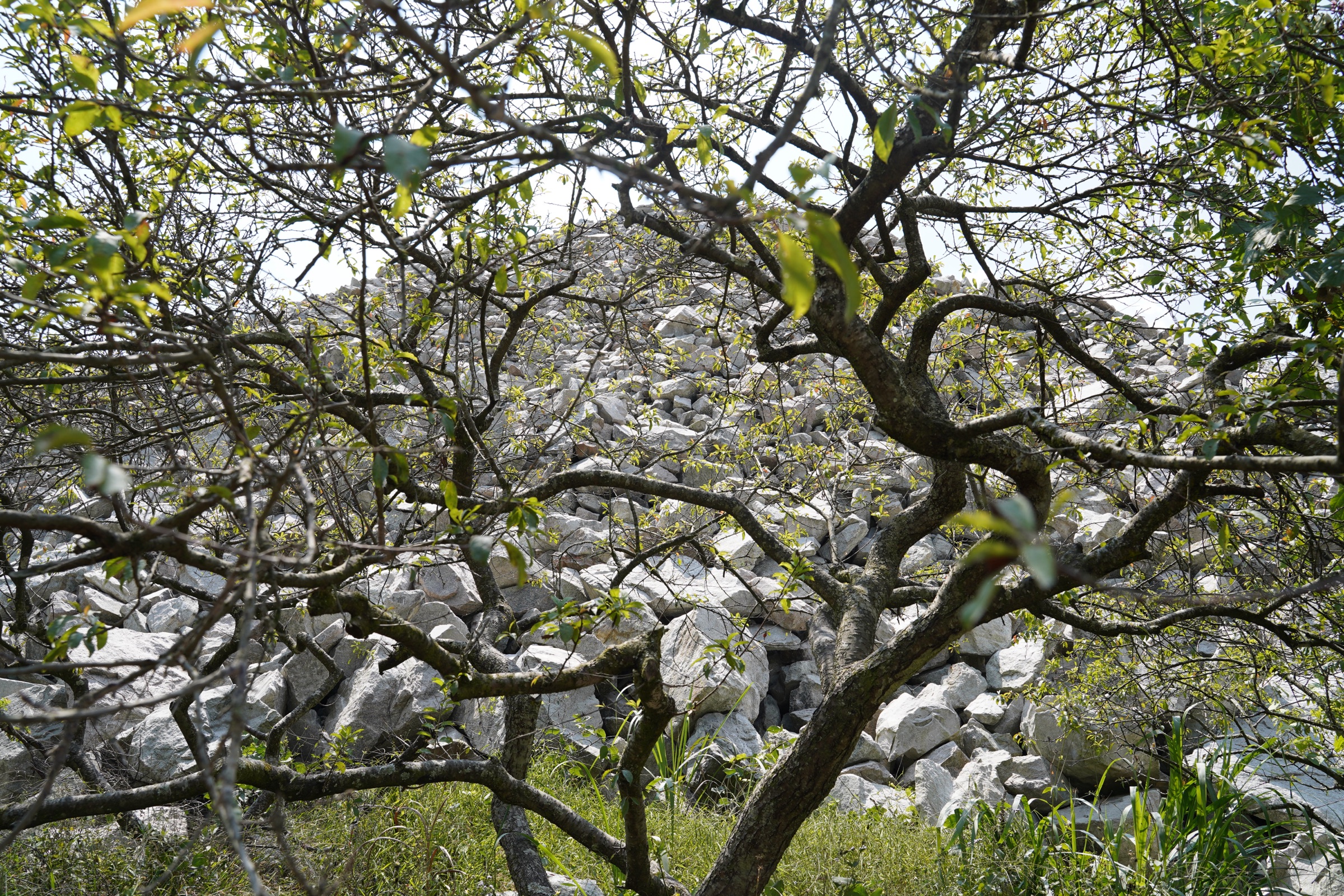
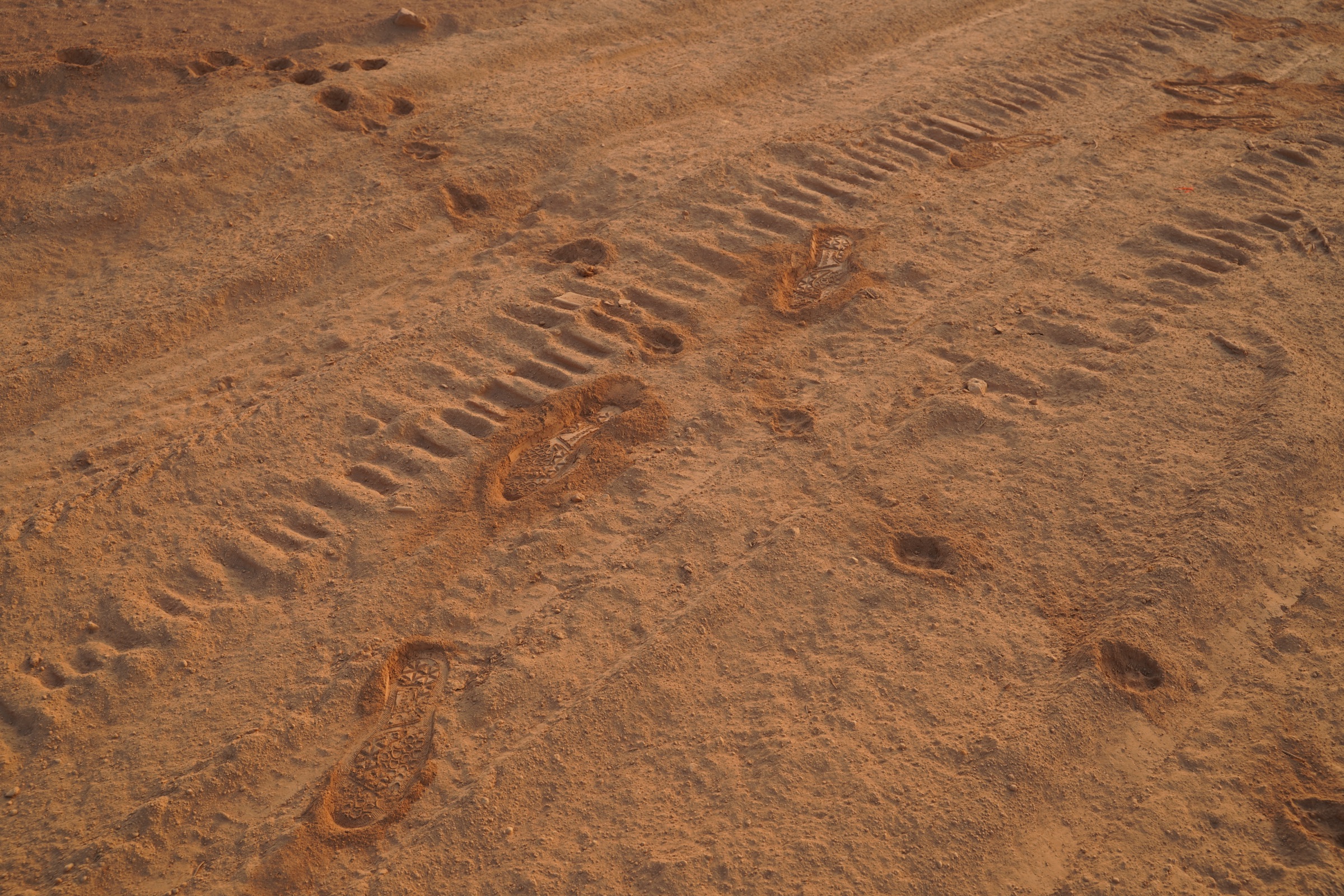
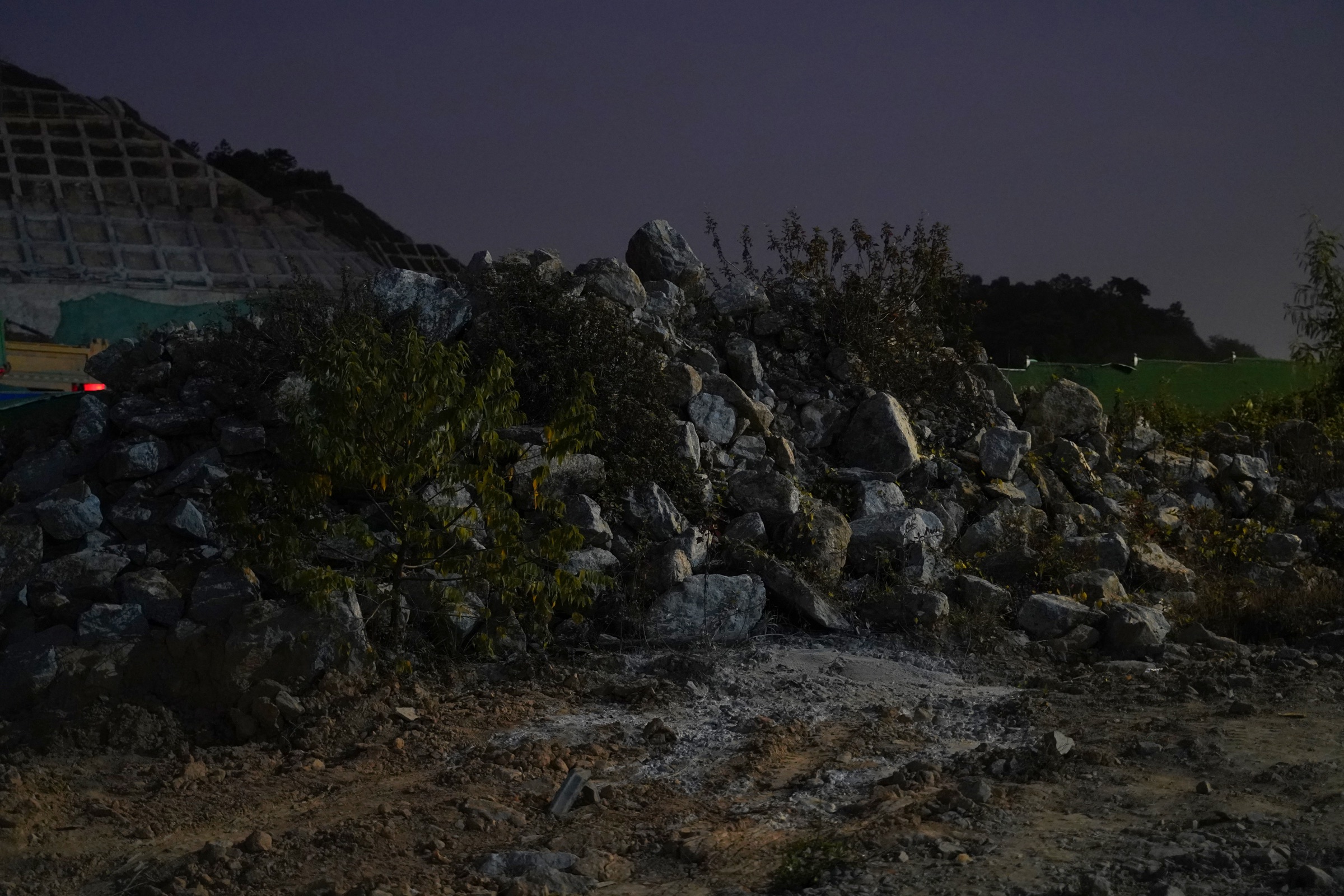
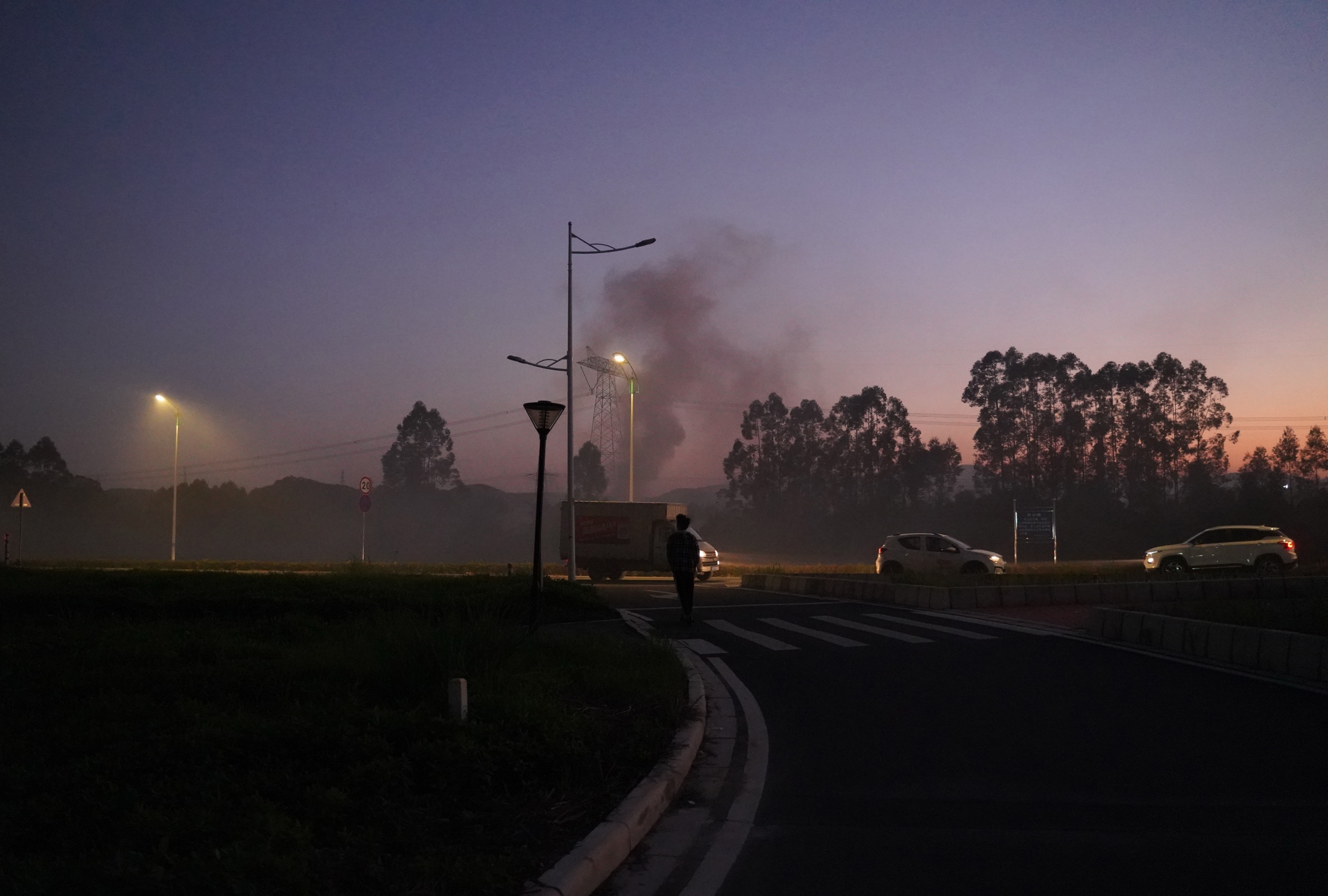
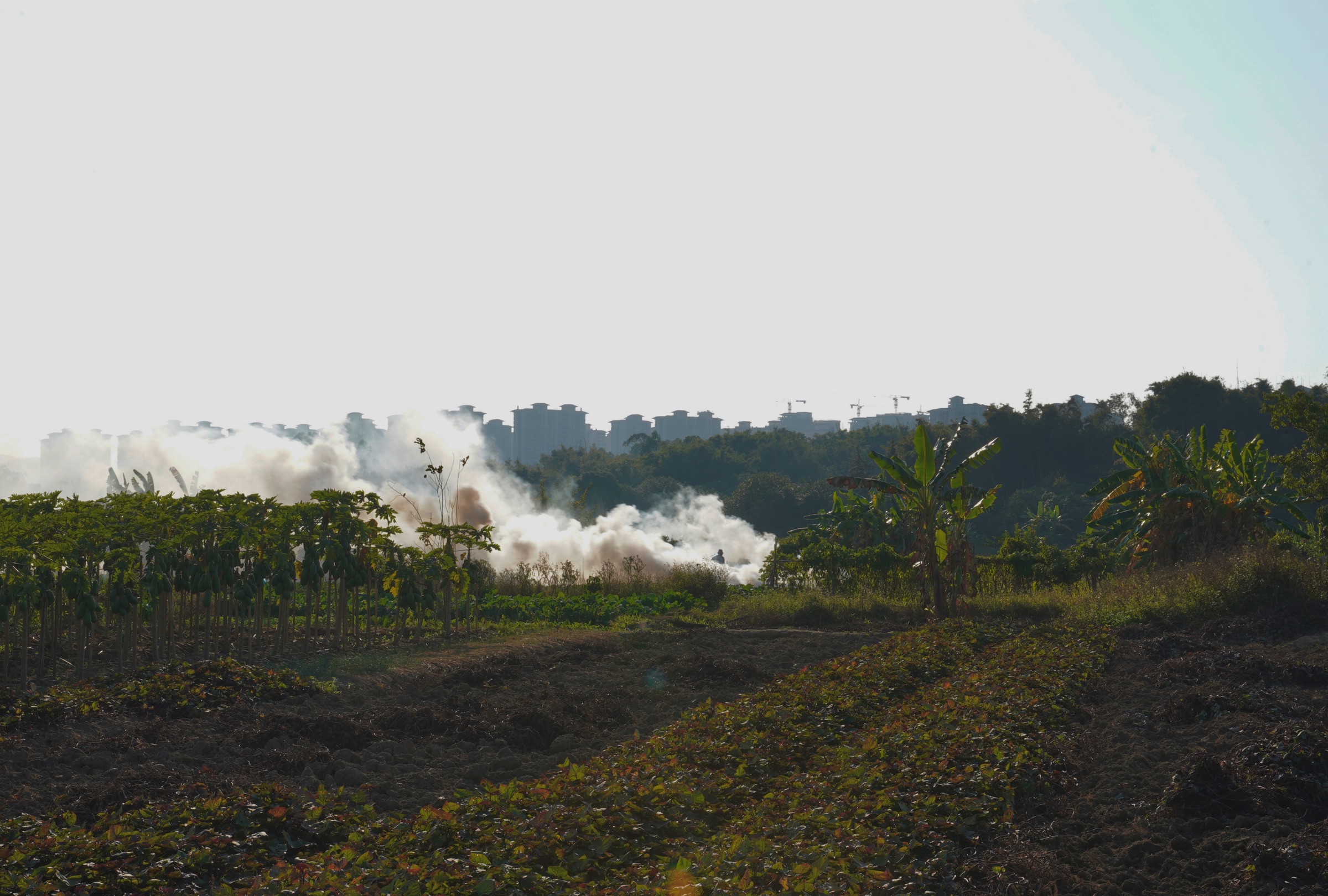
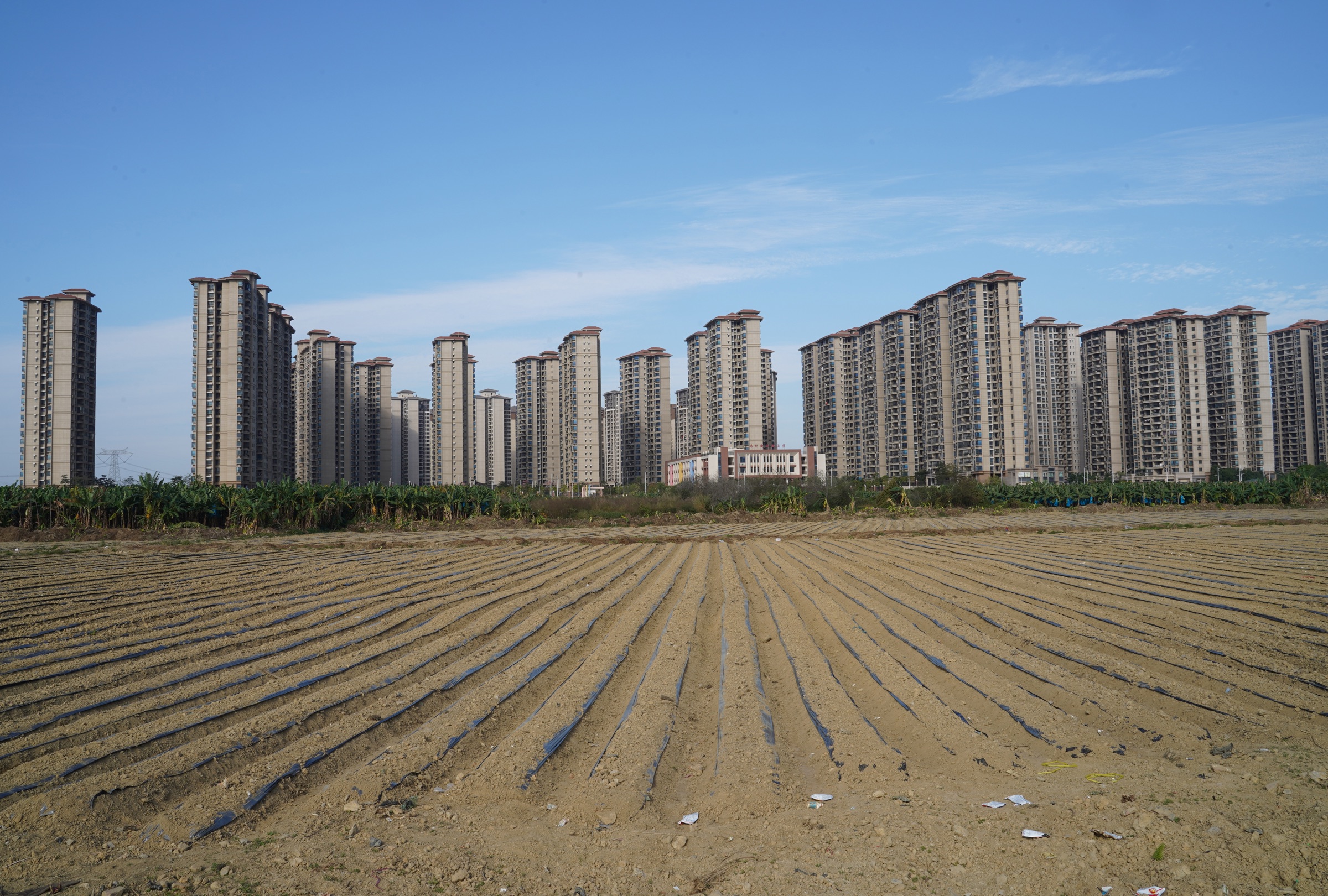
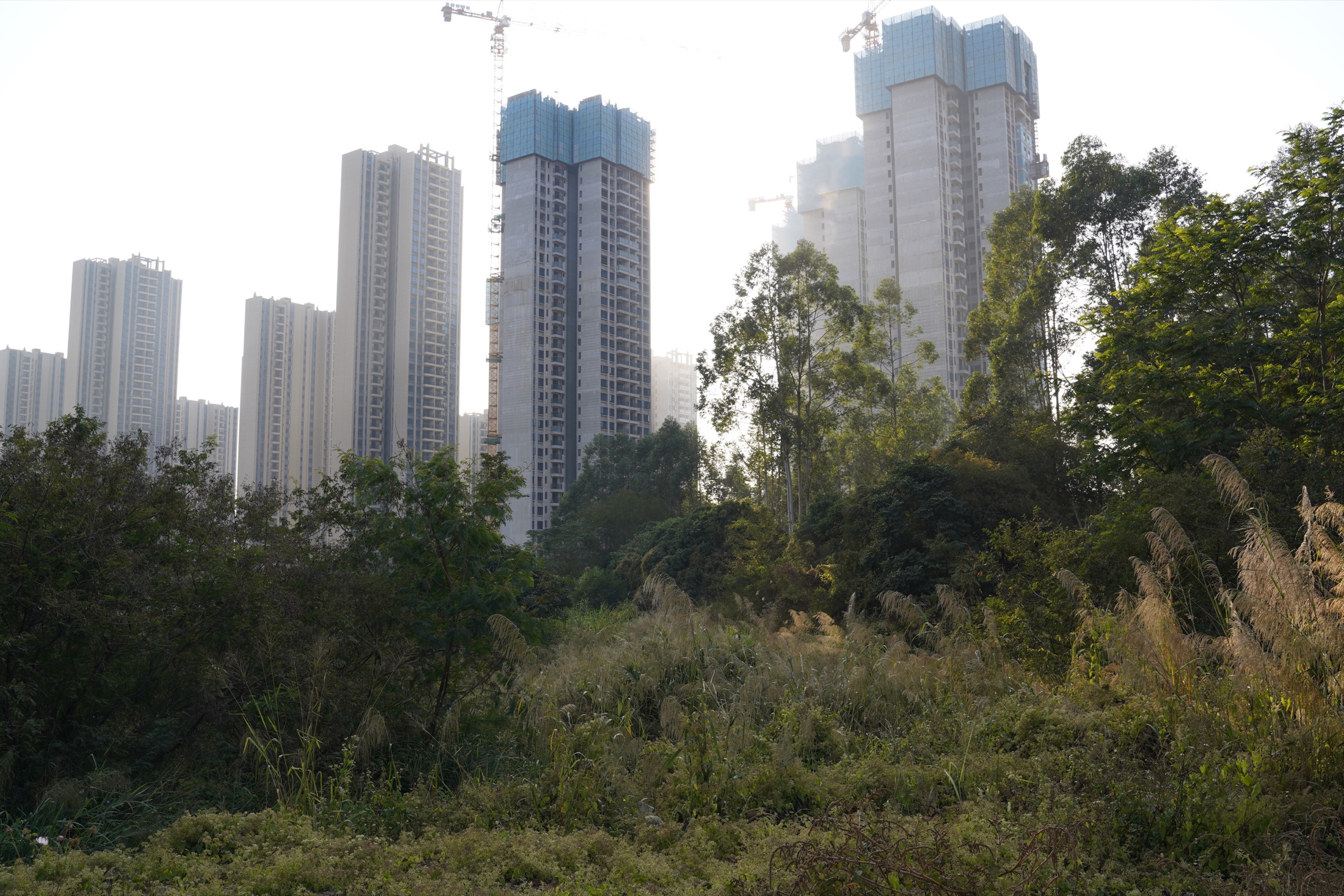
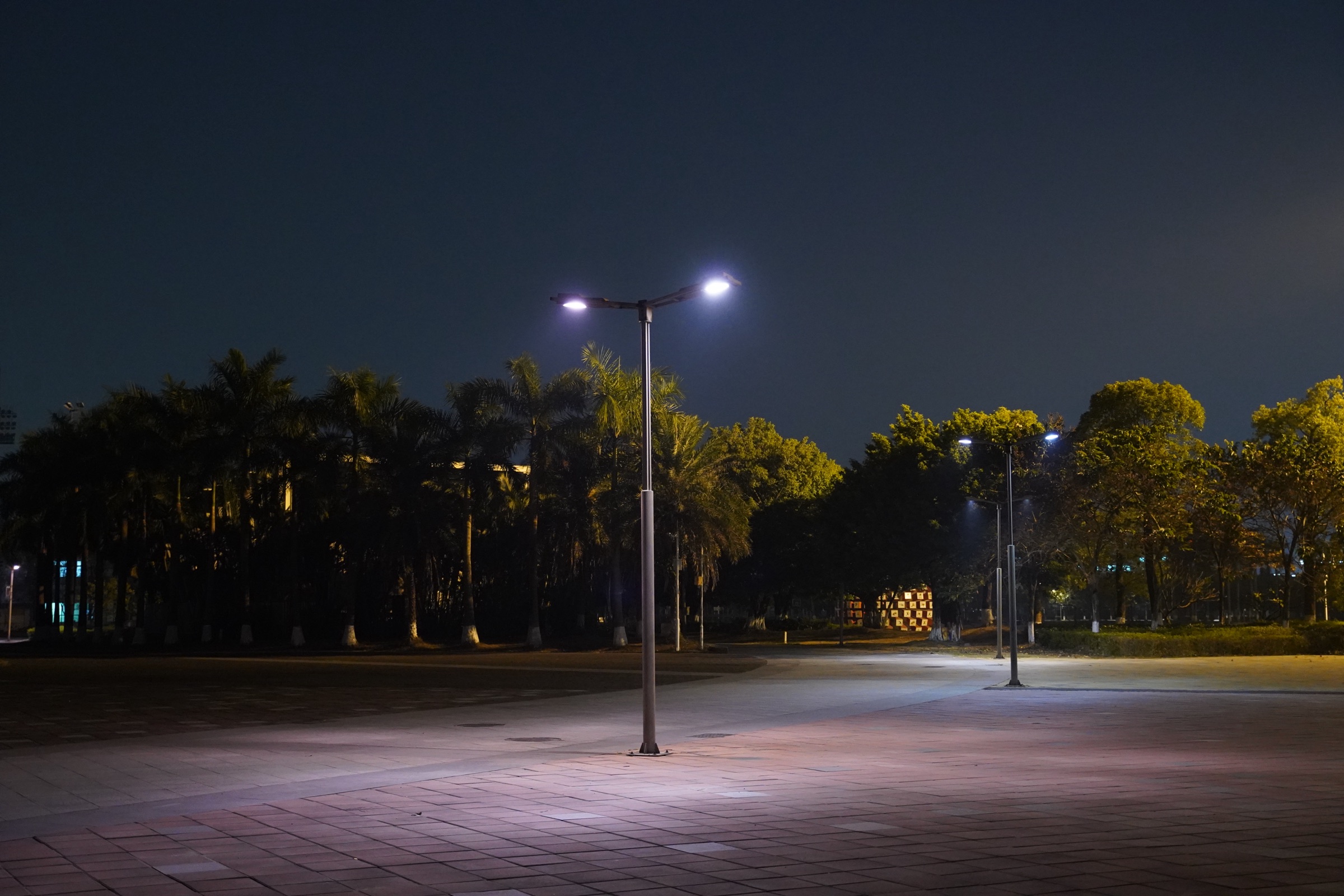
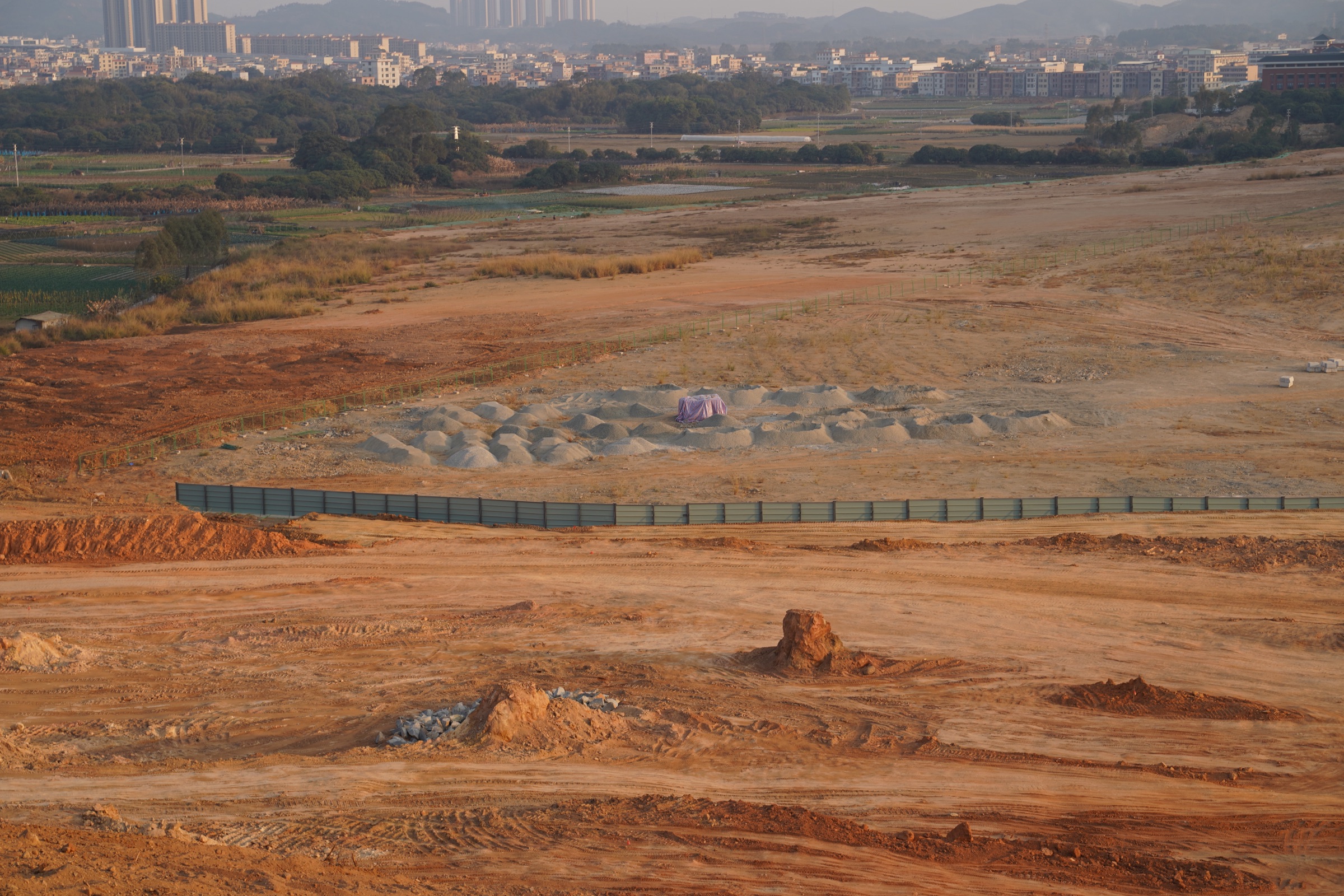
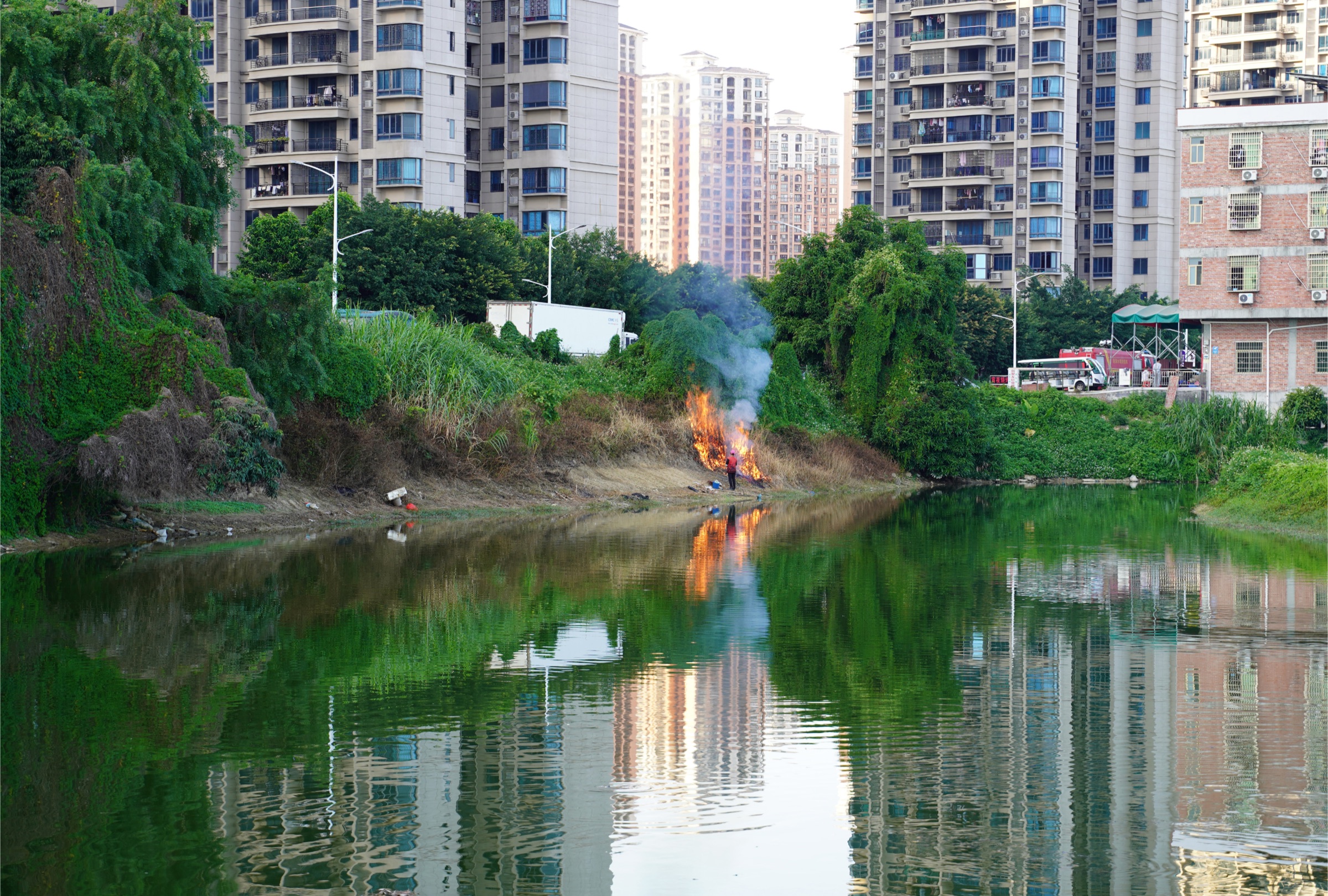
I began by photographing the suburb during the day: repetitive residential towers, broad and sparsely occupied roads, land awaiting development, shifting boundaries between urban construction and rural space, and temporary traces of cultivation, drying clothes, informal commerce, and rest. These scenes lack the density and spectacle associated with the city centre and rarely appear in dominant representations of Guangzhou, yet they support the daily lives of a large population.
Photographing this area gradually changed the way I understood the city. An urban boundary is not simply a fixed line on a map. It appears through changing land use, interrupted infrastructure, commuting distance, and the temporary ways in which people occupy space. Beginning with these ordinary landscapes, Living at the Edge examines how the city expands and how everyday life continues within spaces where planning remains incomplete and the relationship between urban and rural conditions is still being negotiated.