The Hollow of Google Street View
Part of Image Reproduction
- Year
- 2019–2024
- Medium
- Other
- Dimensions
- Dimensions variable
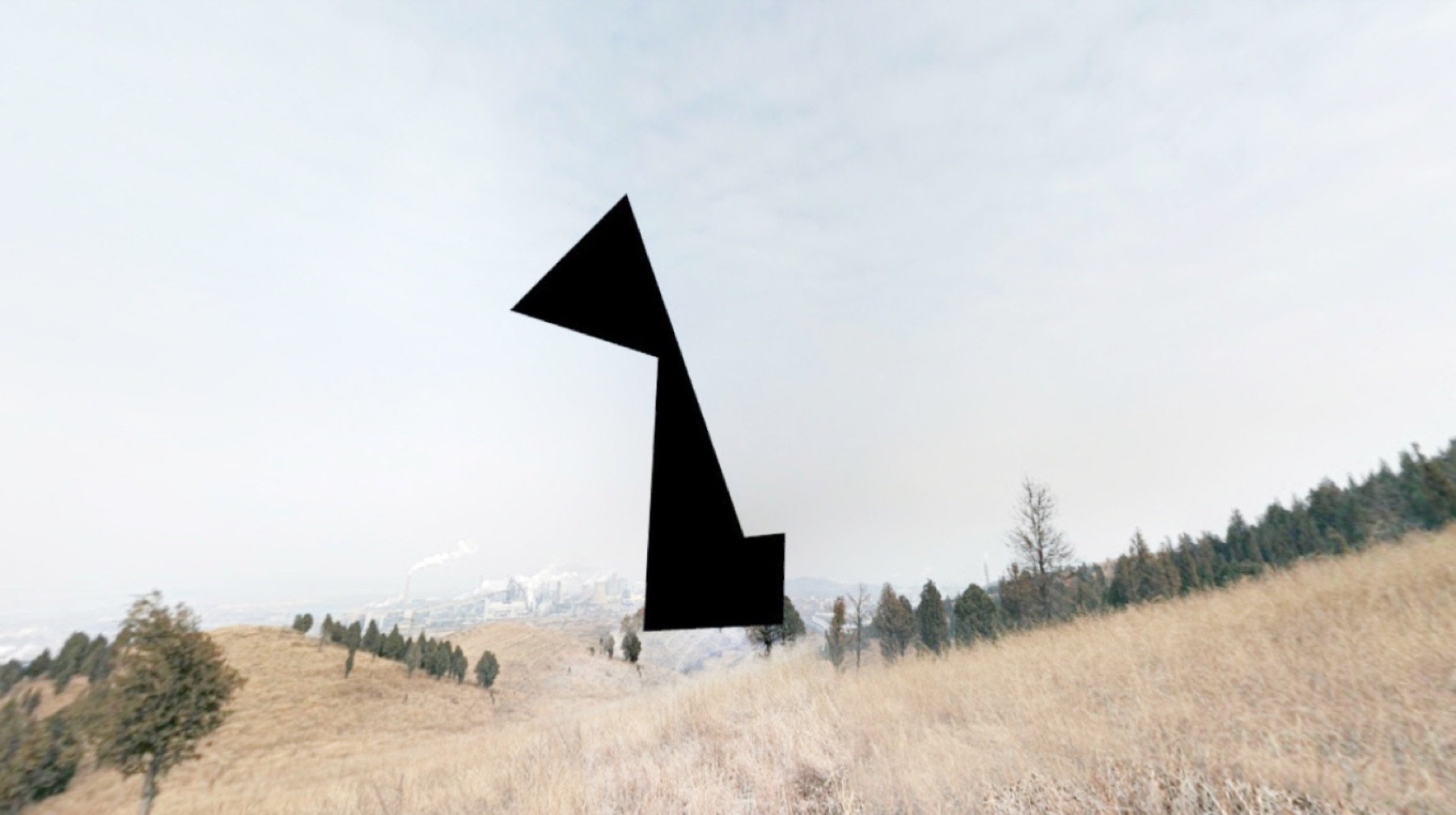
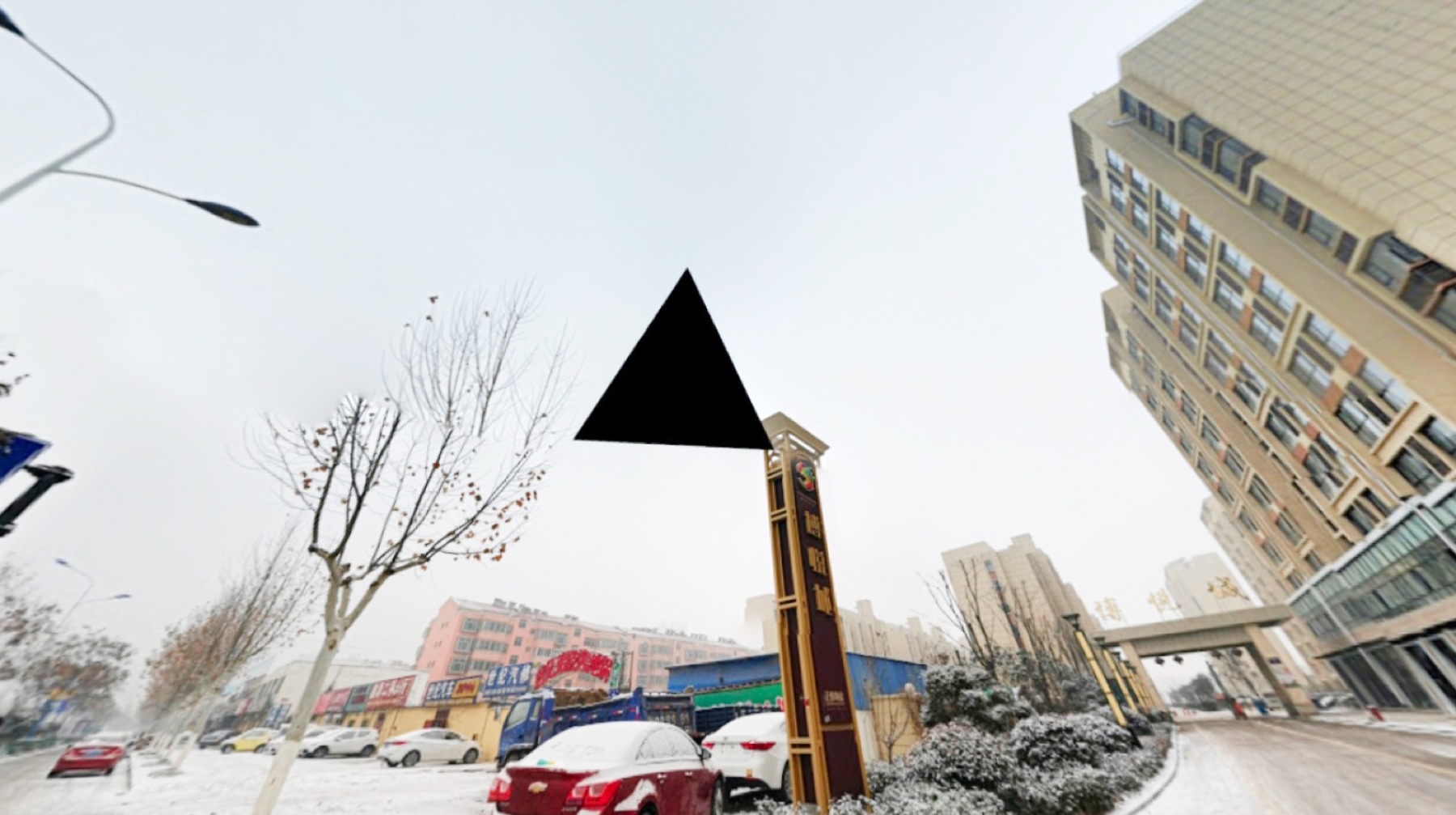
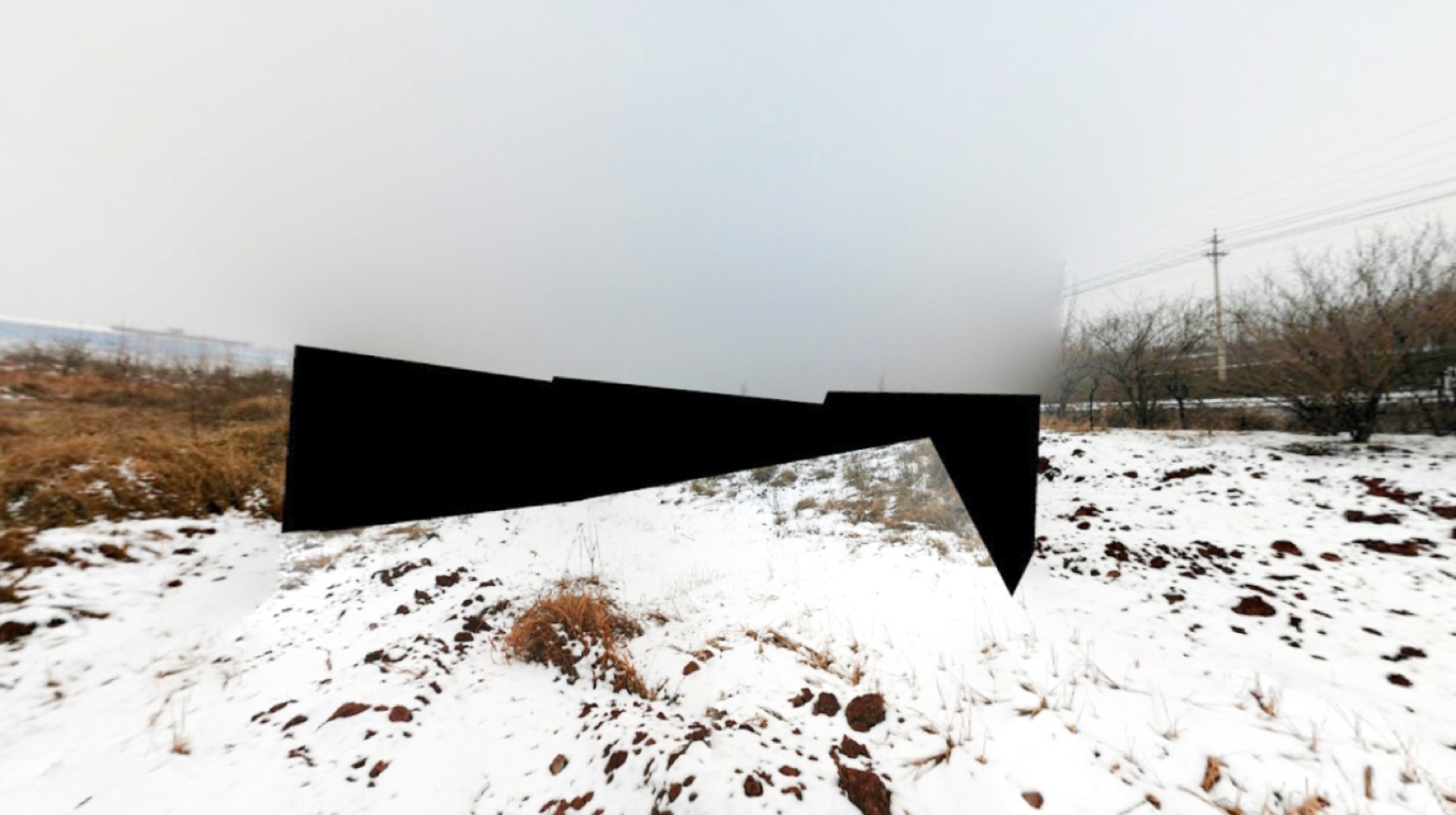
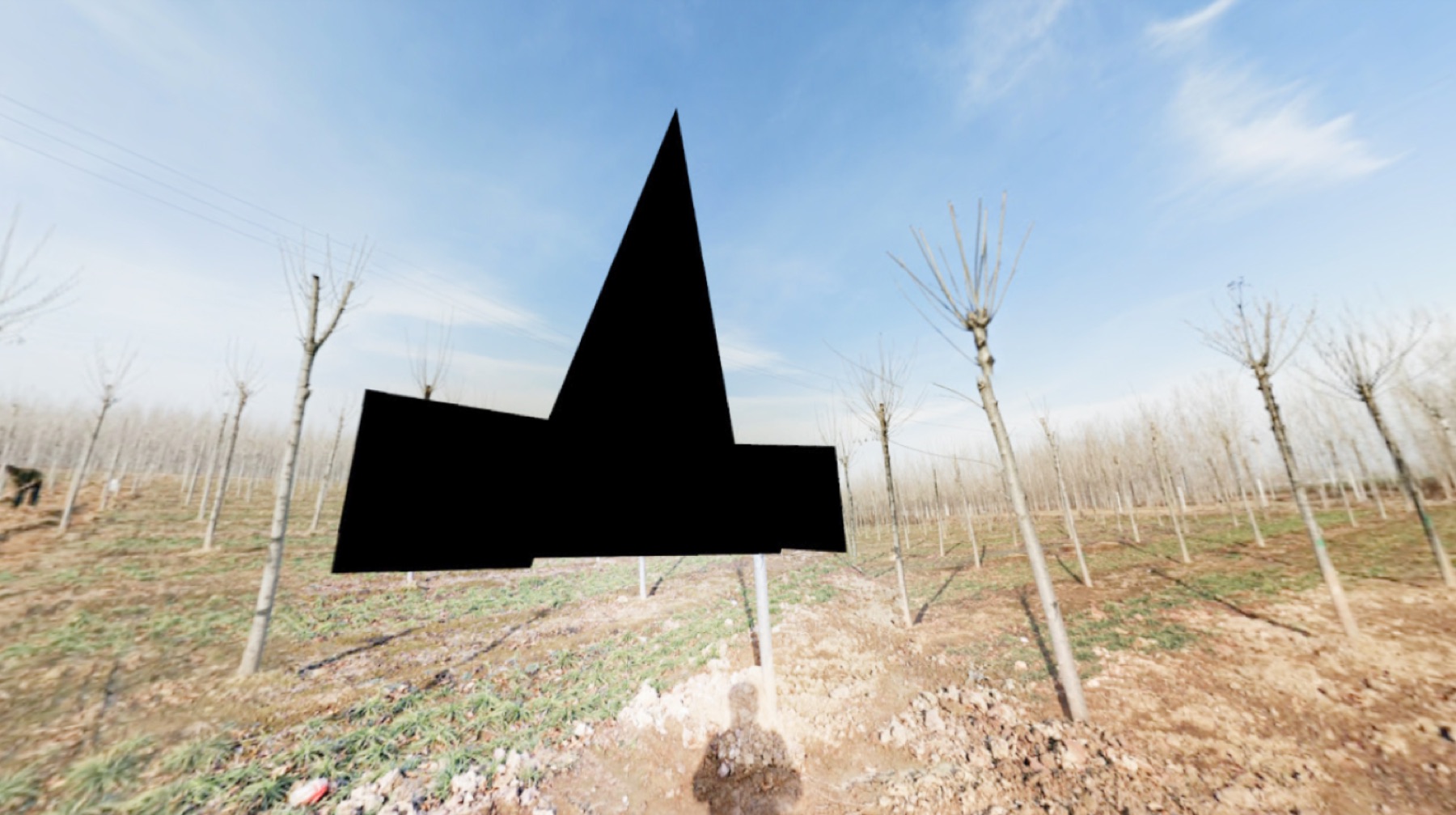
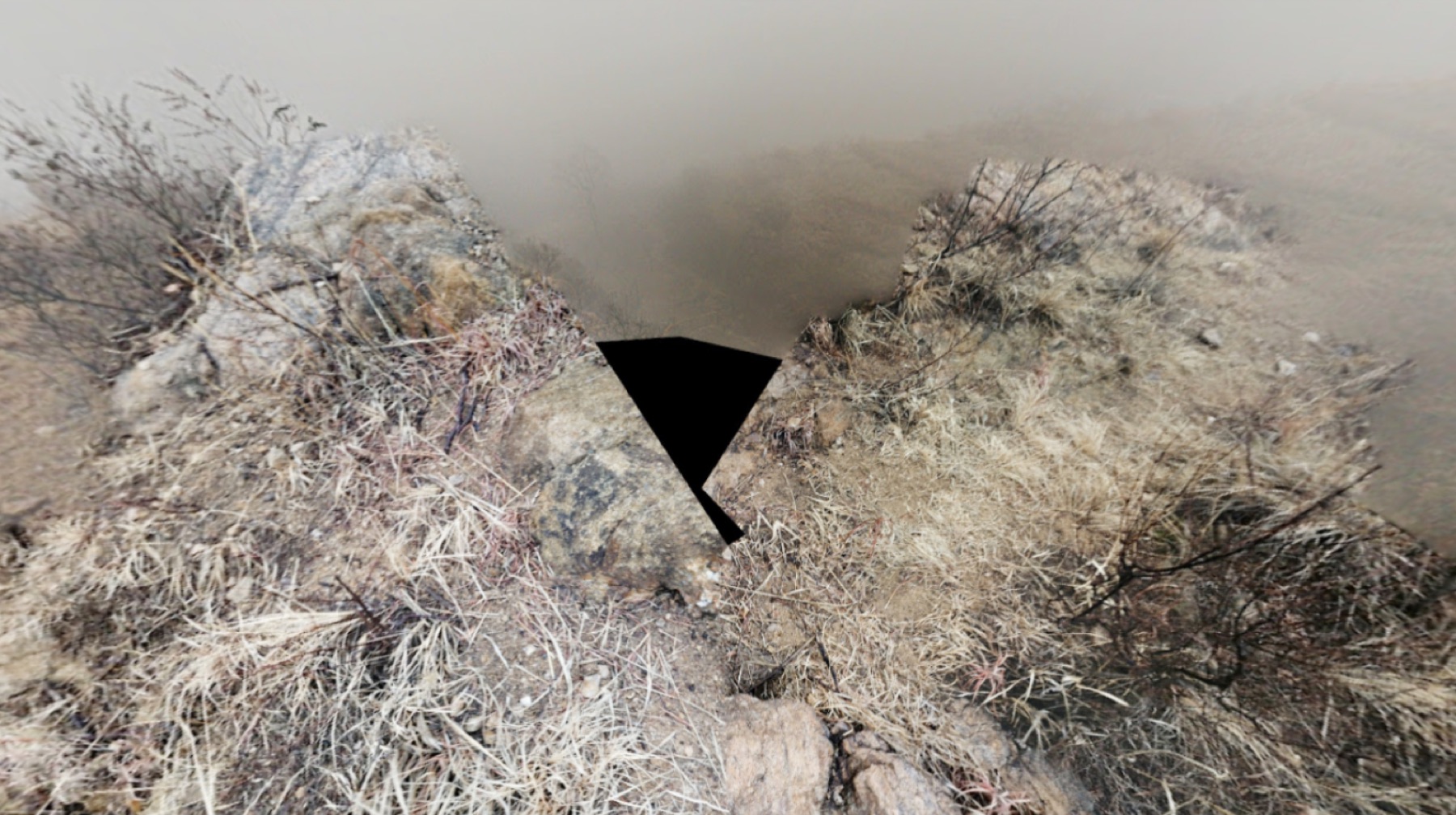
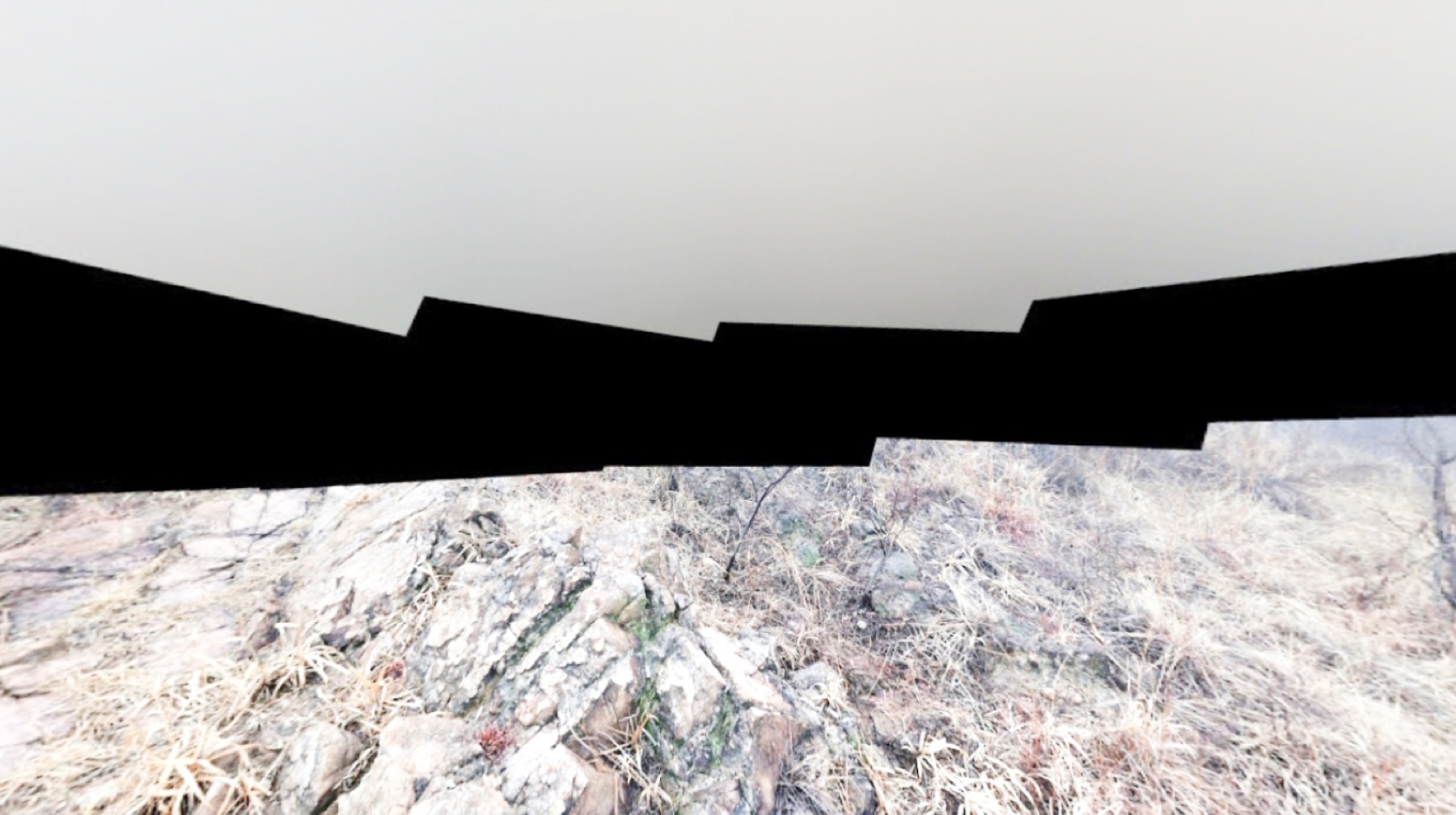
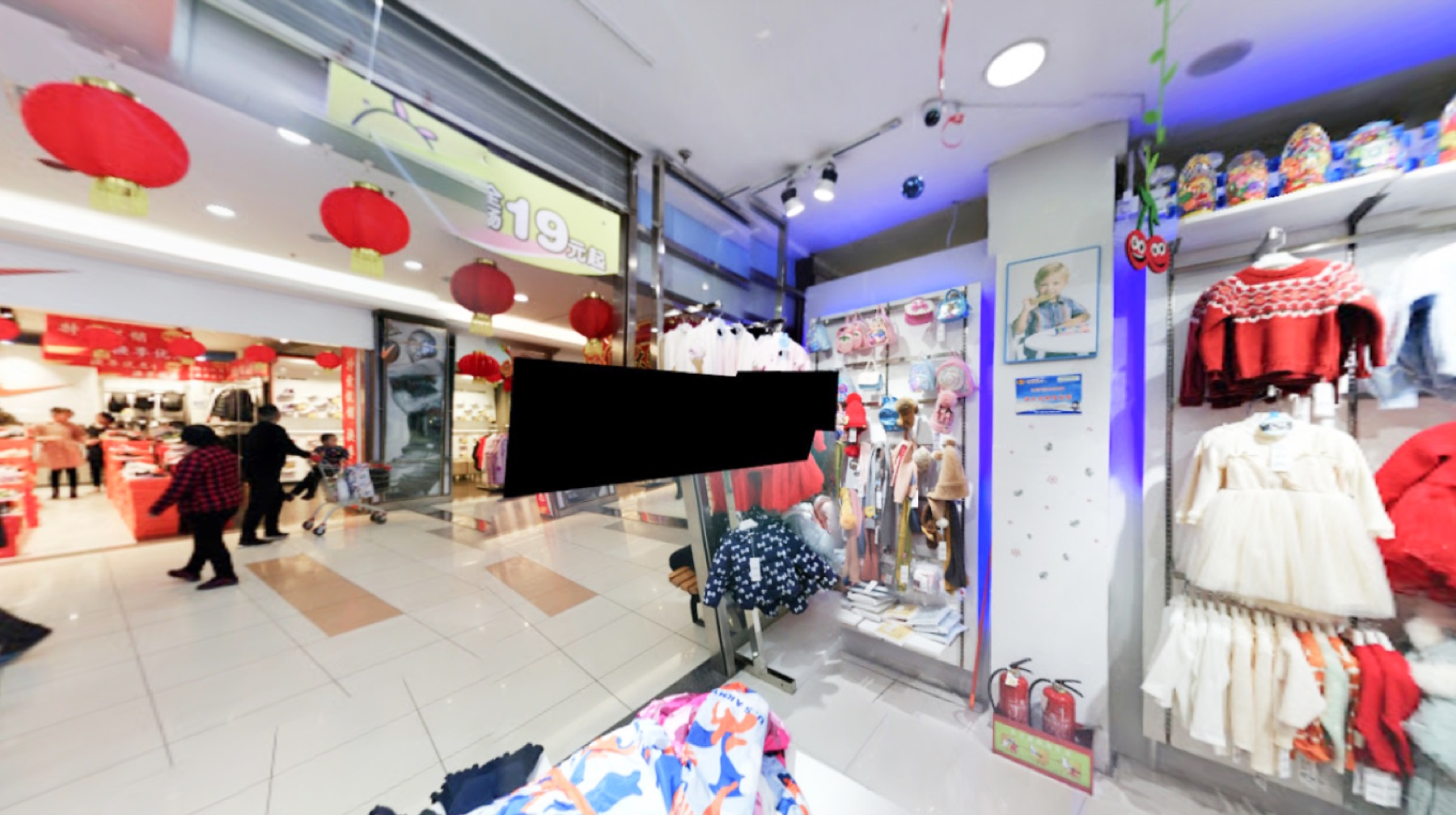
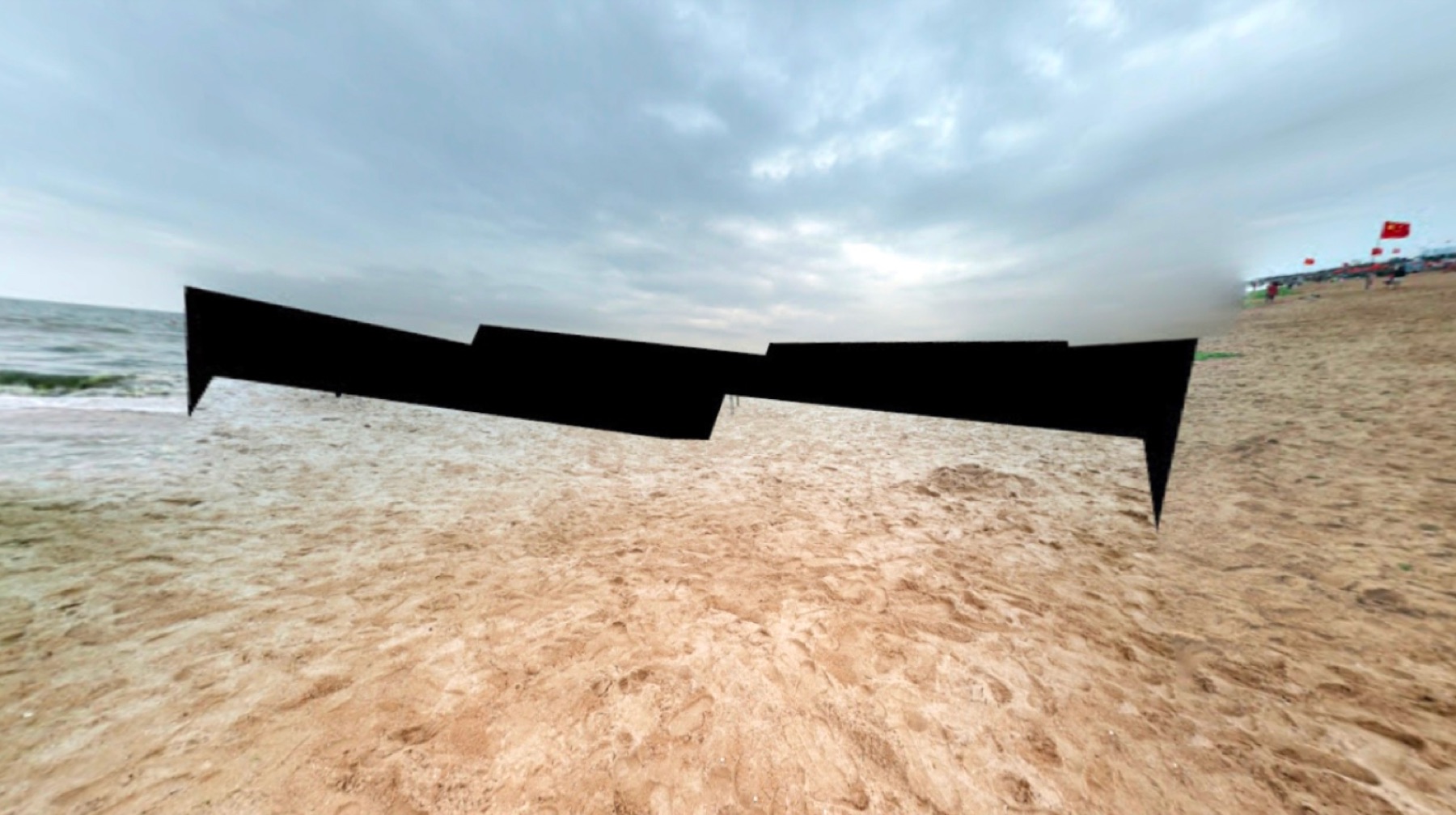
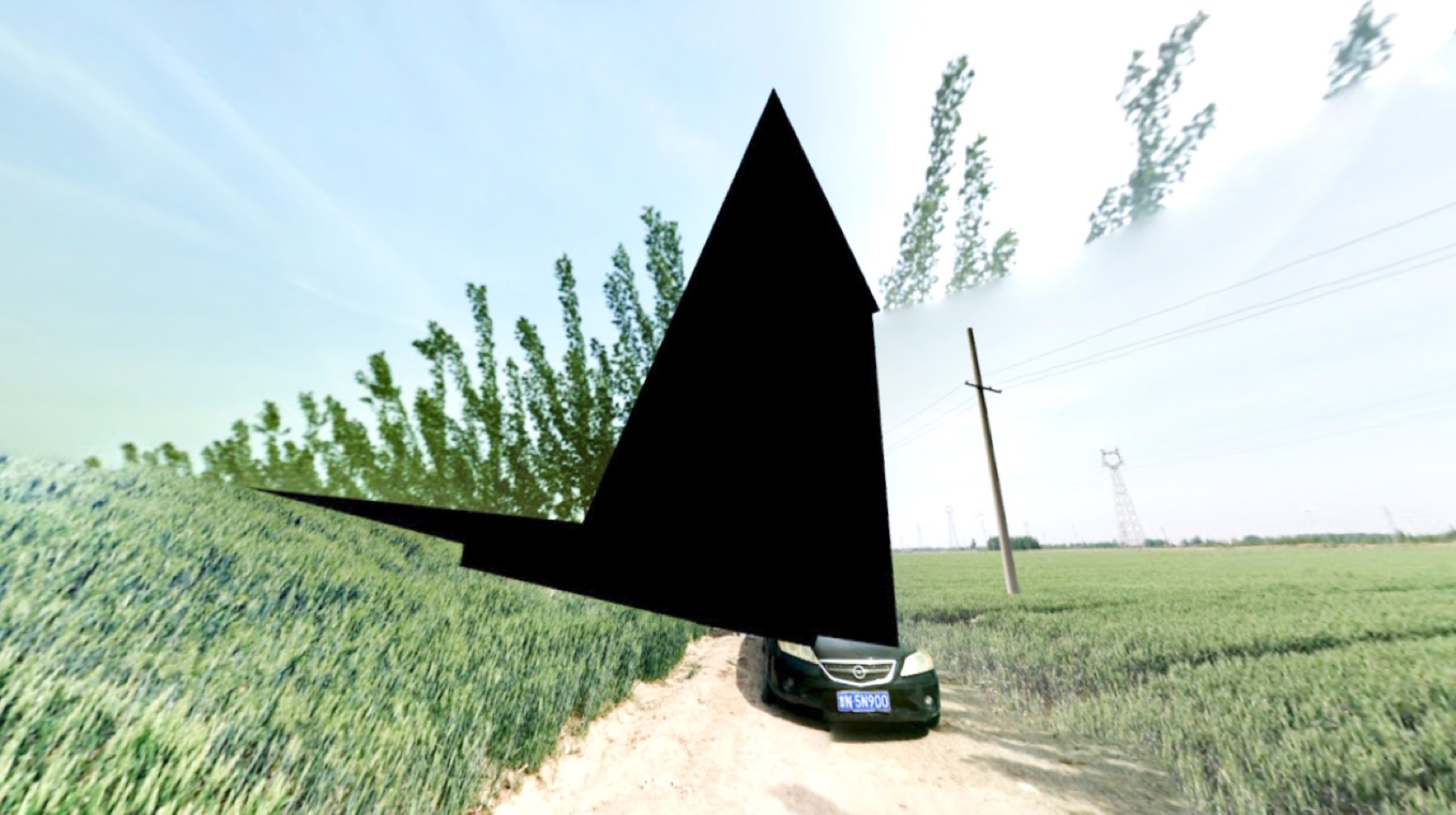
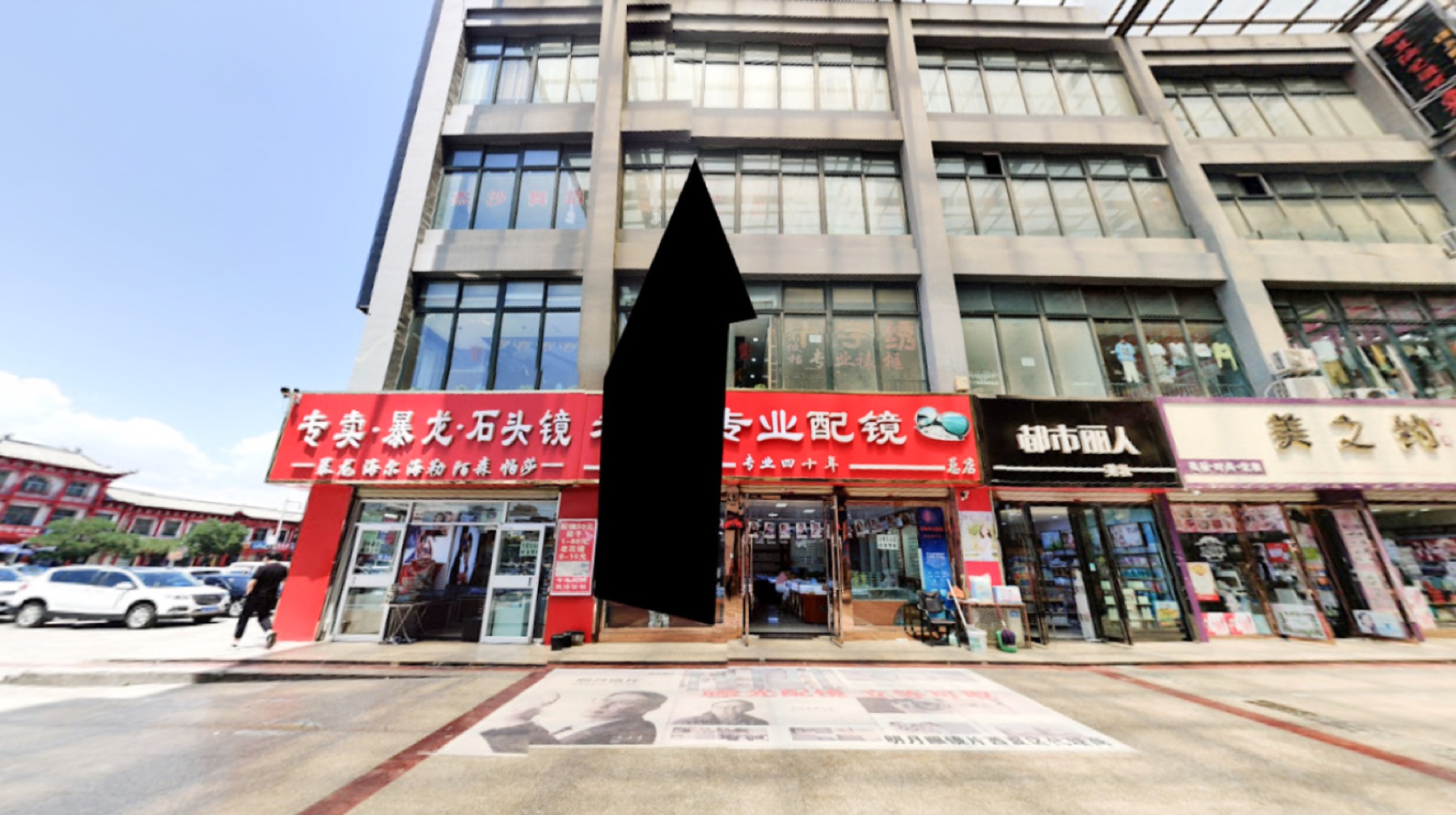
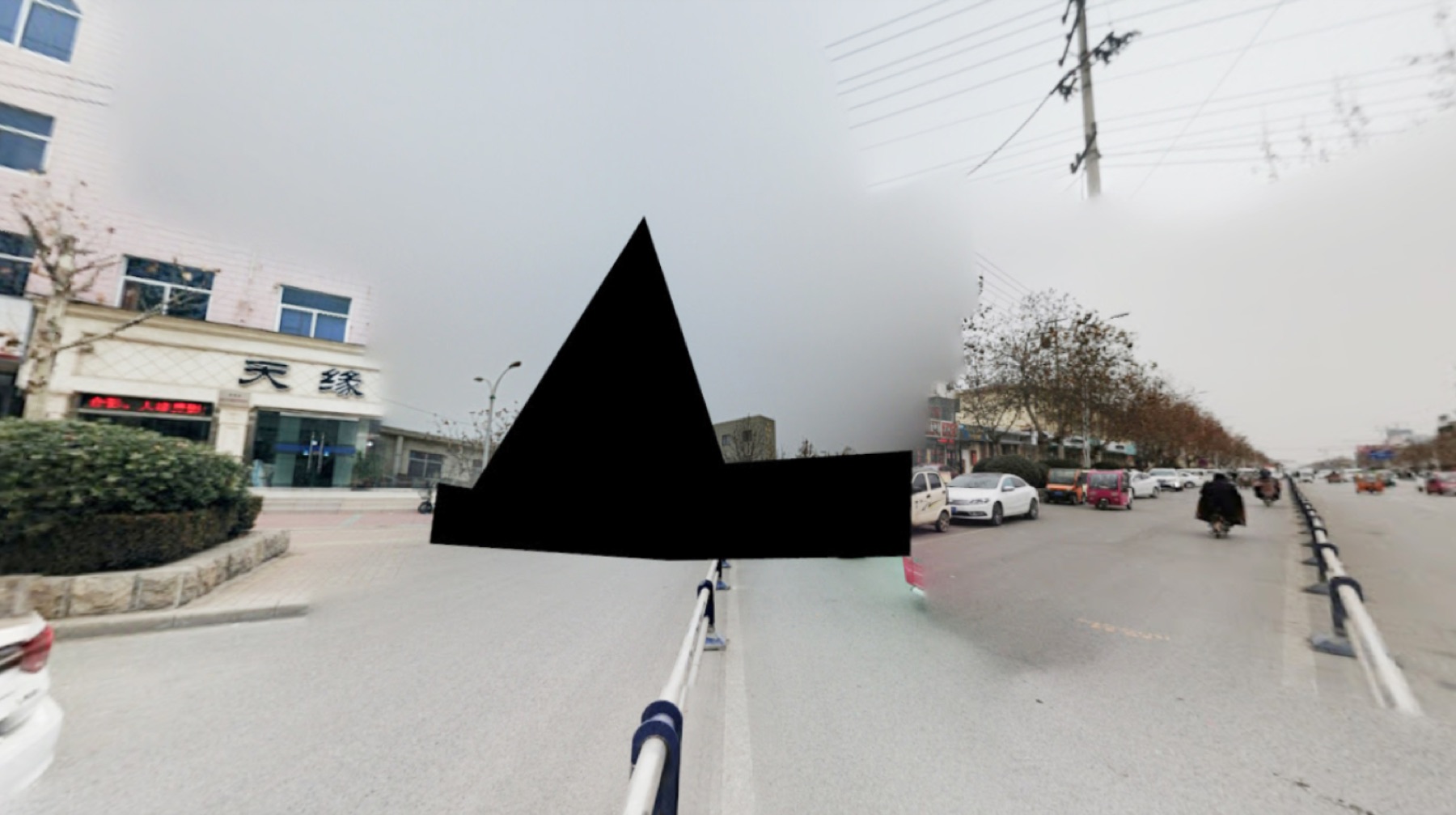
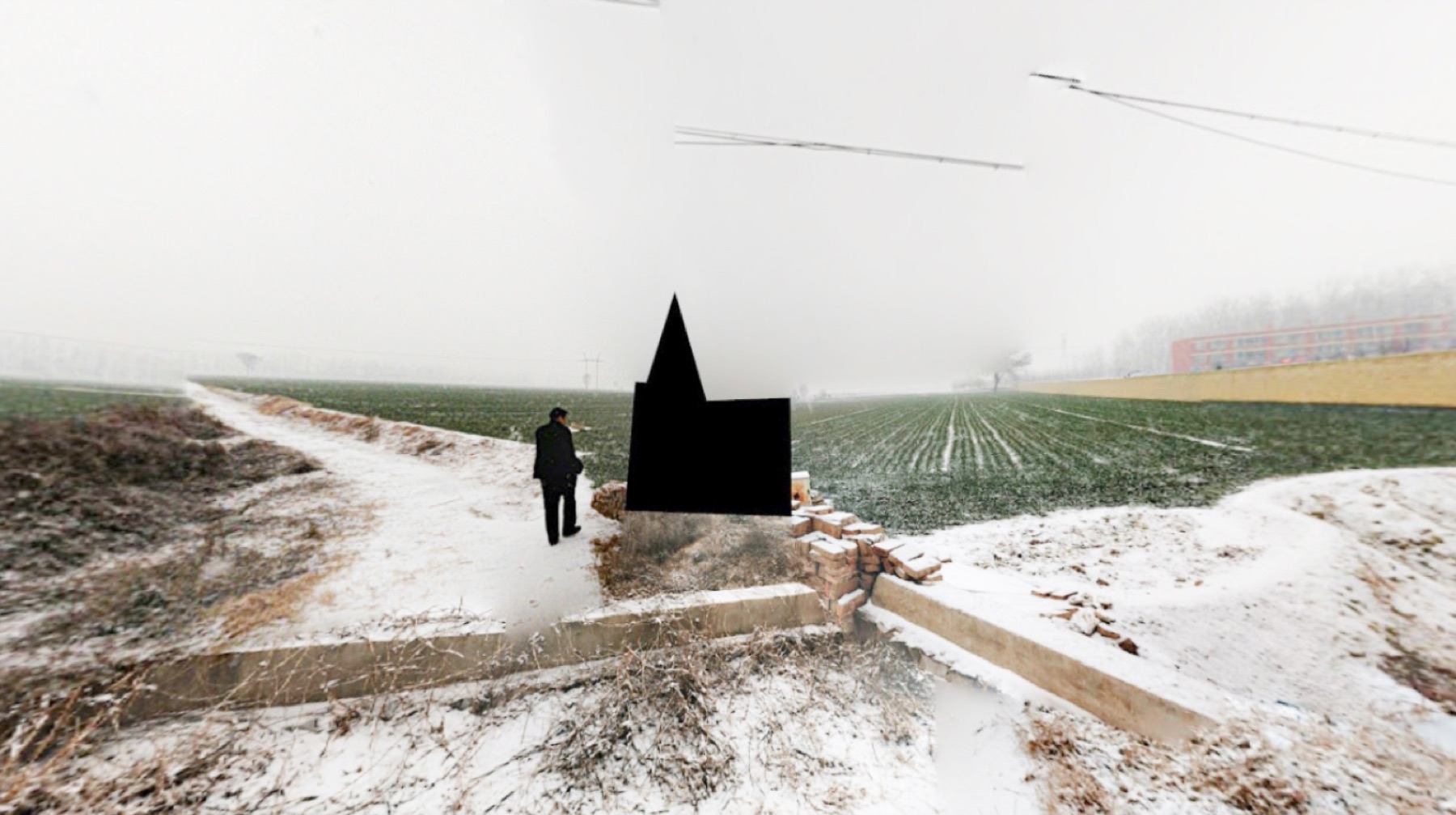
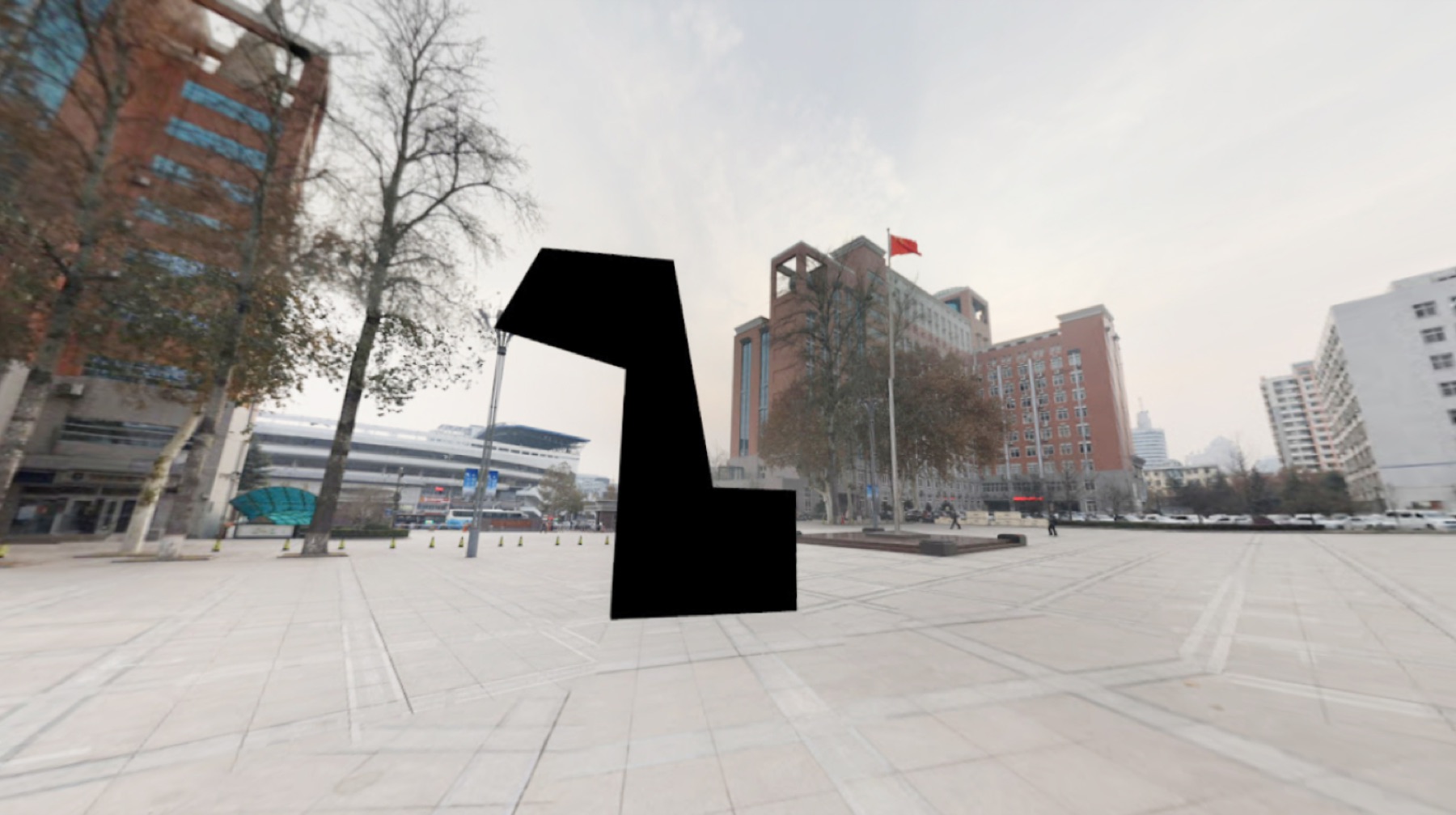
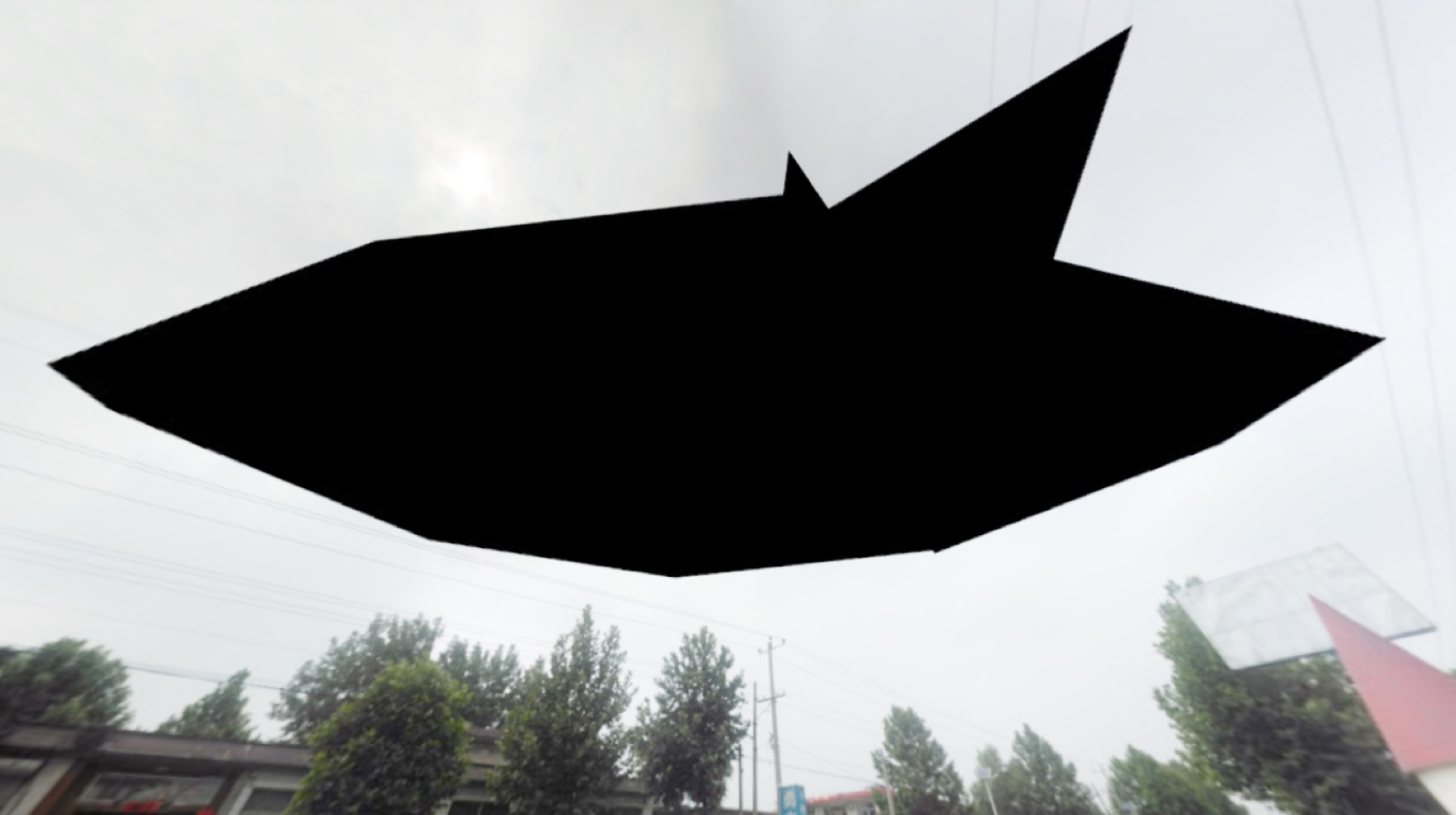
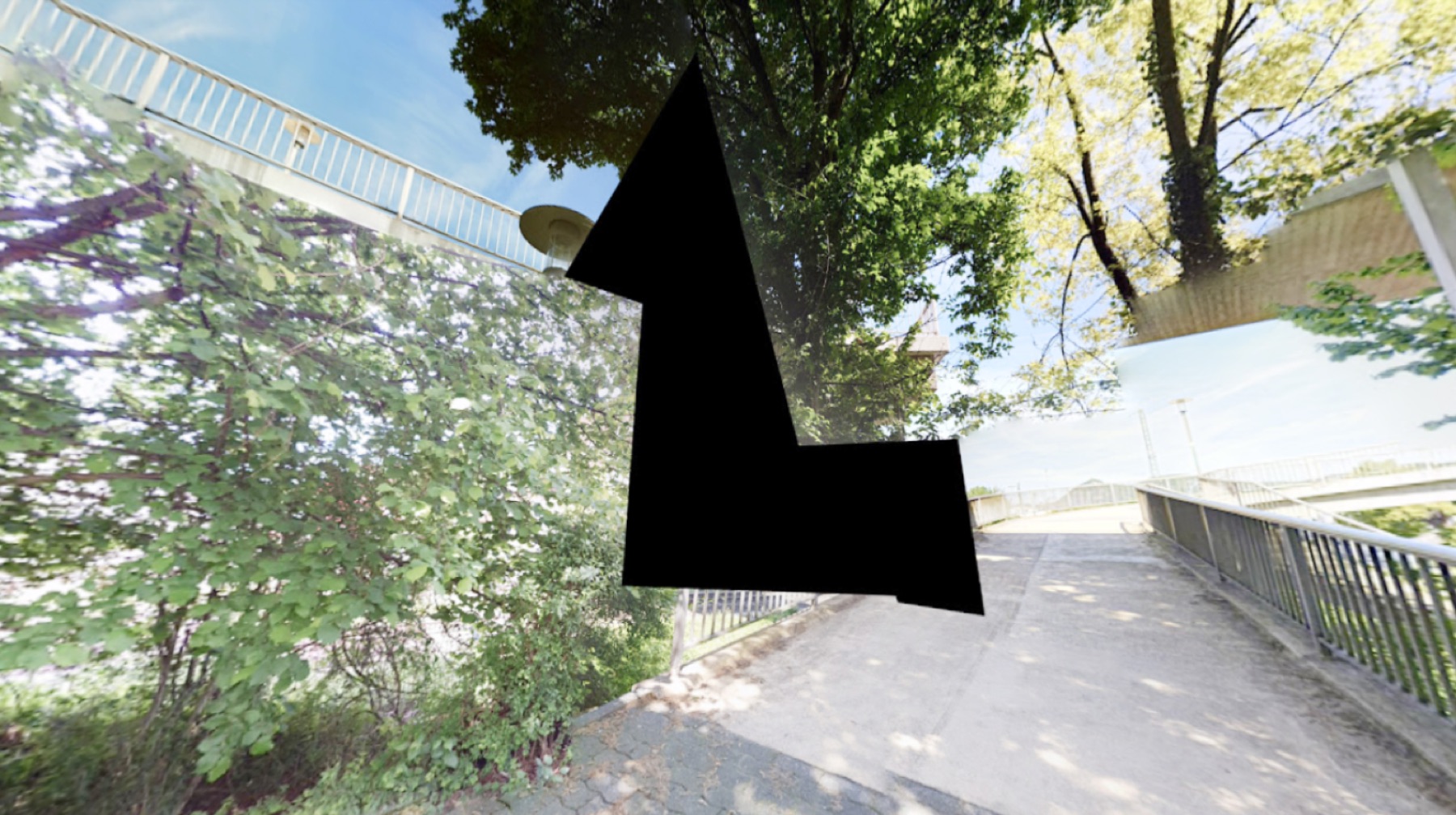
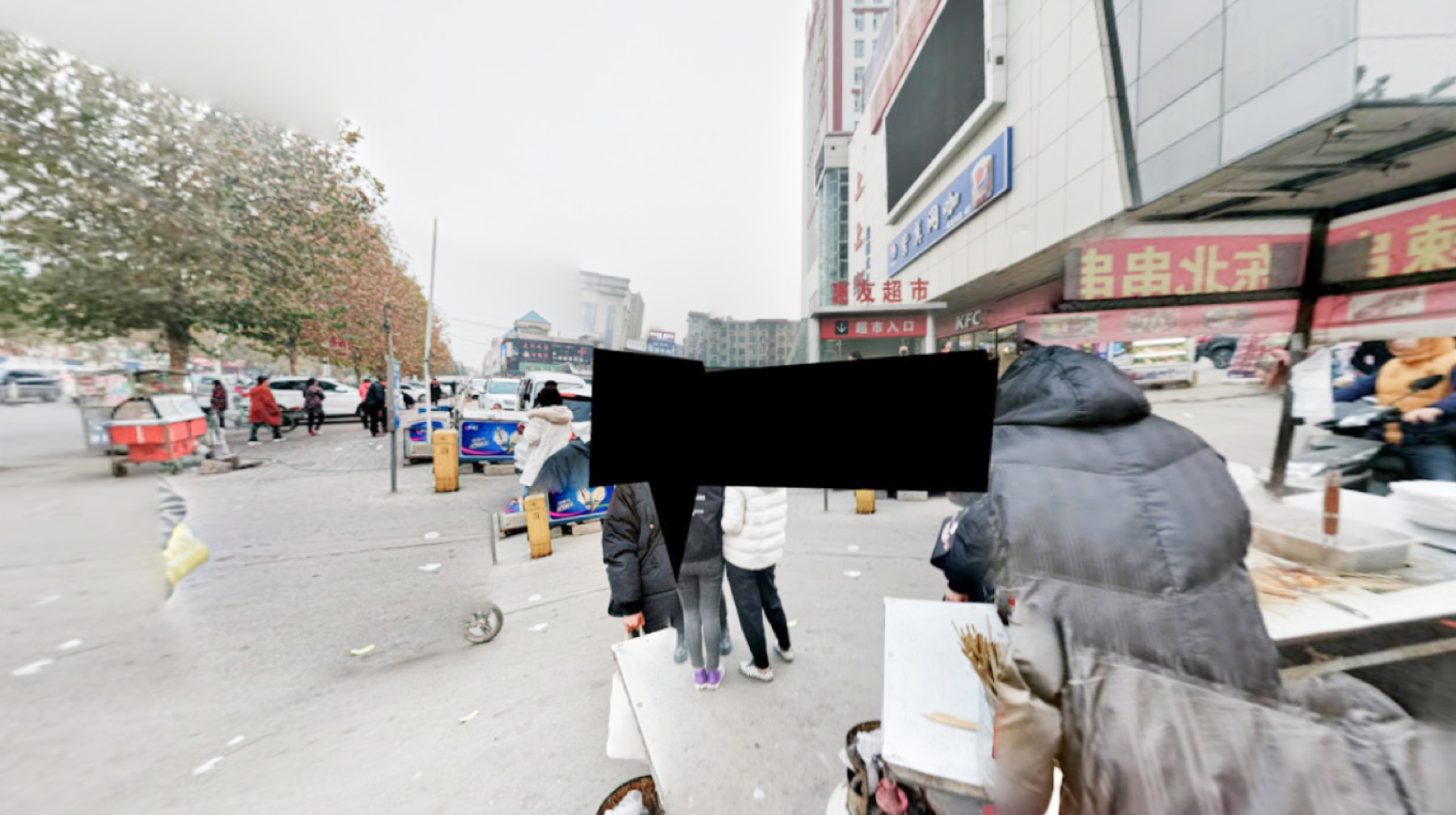
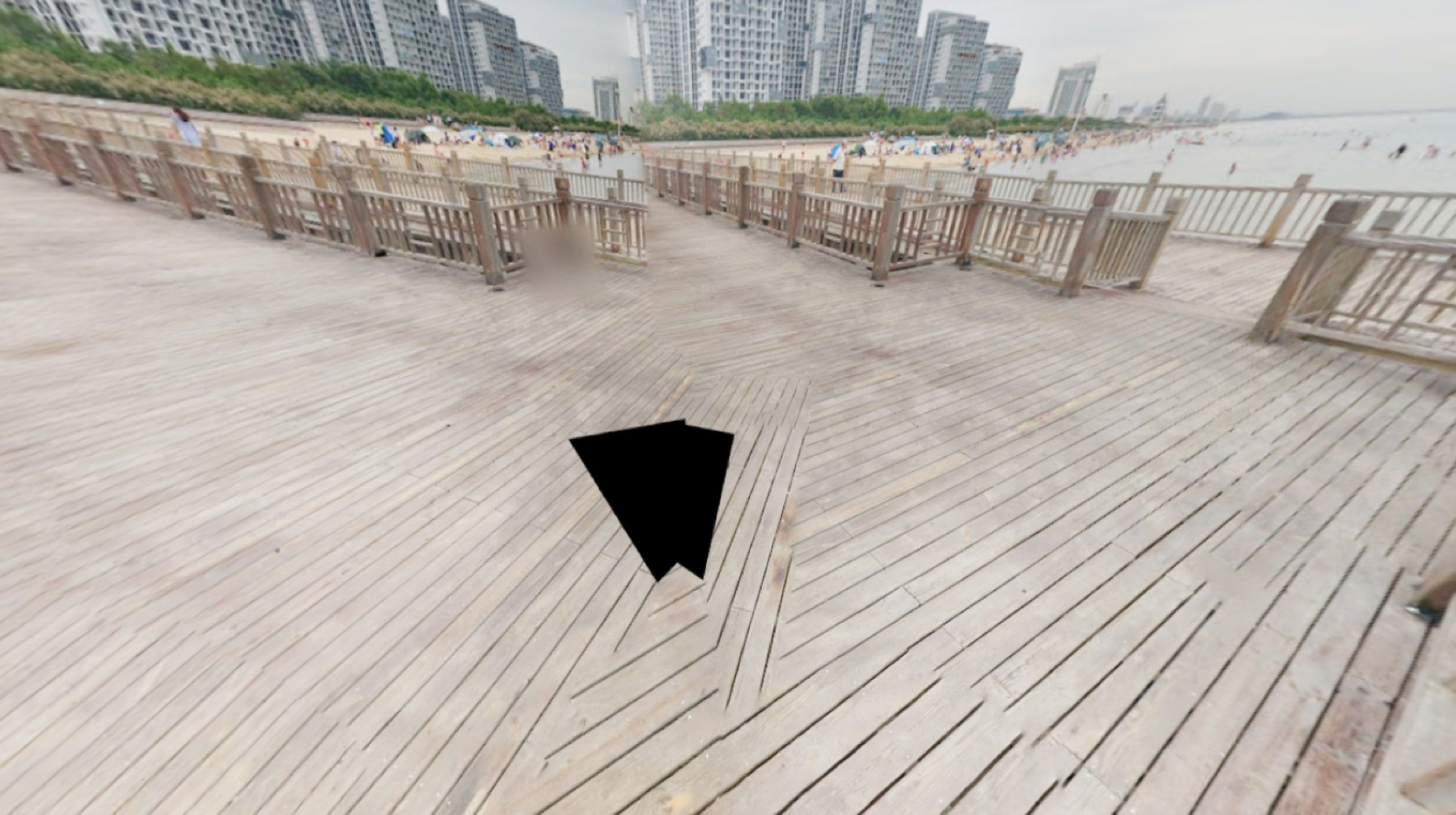
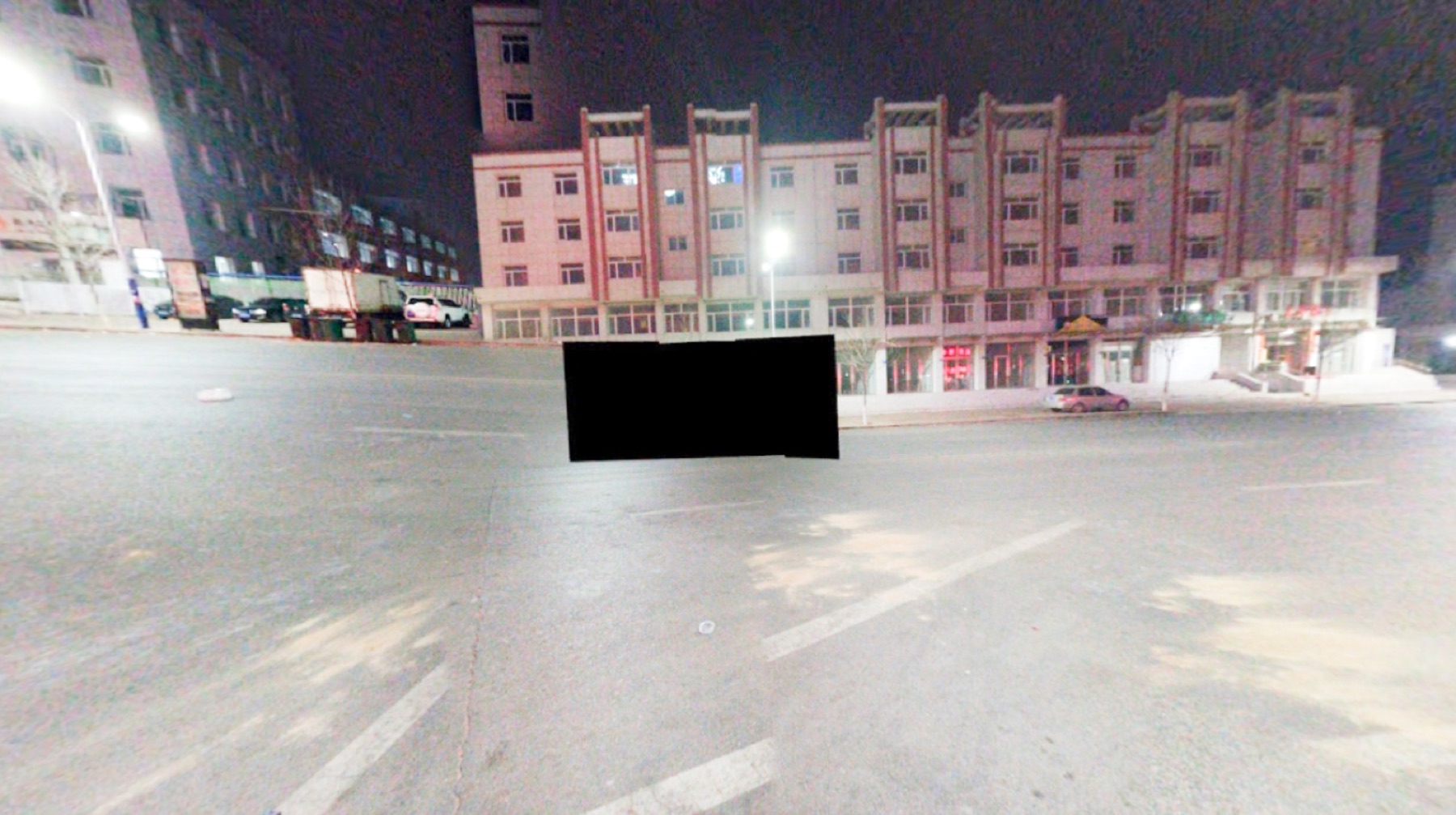
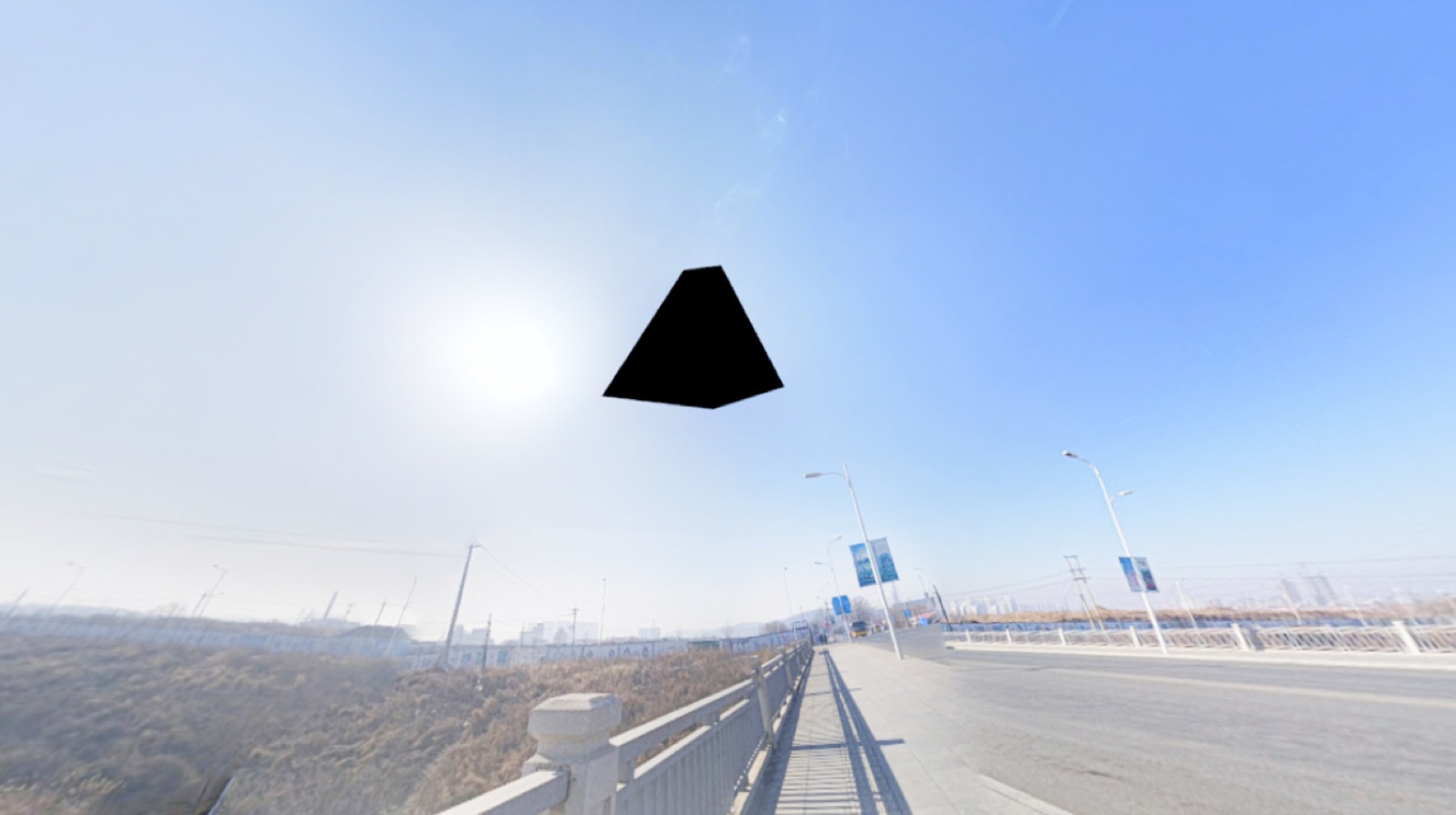
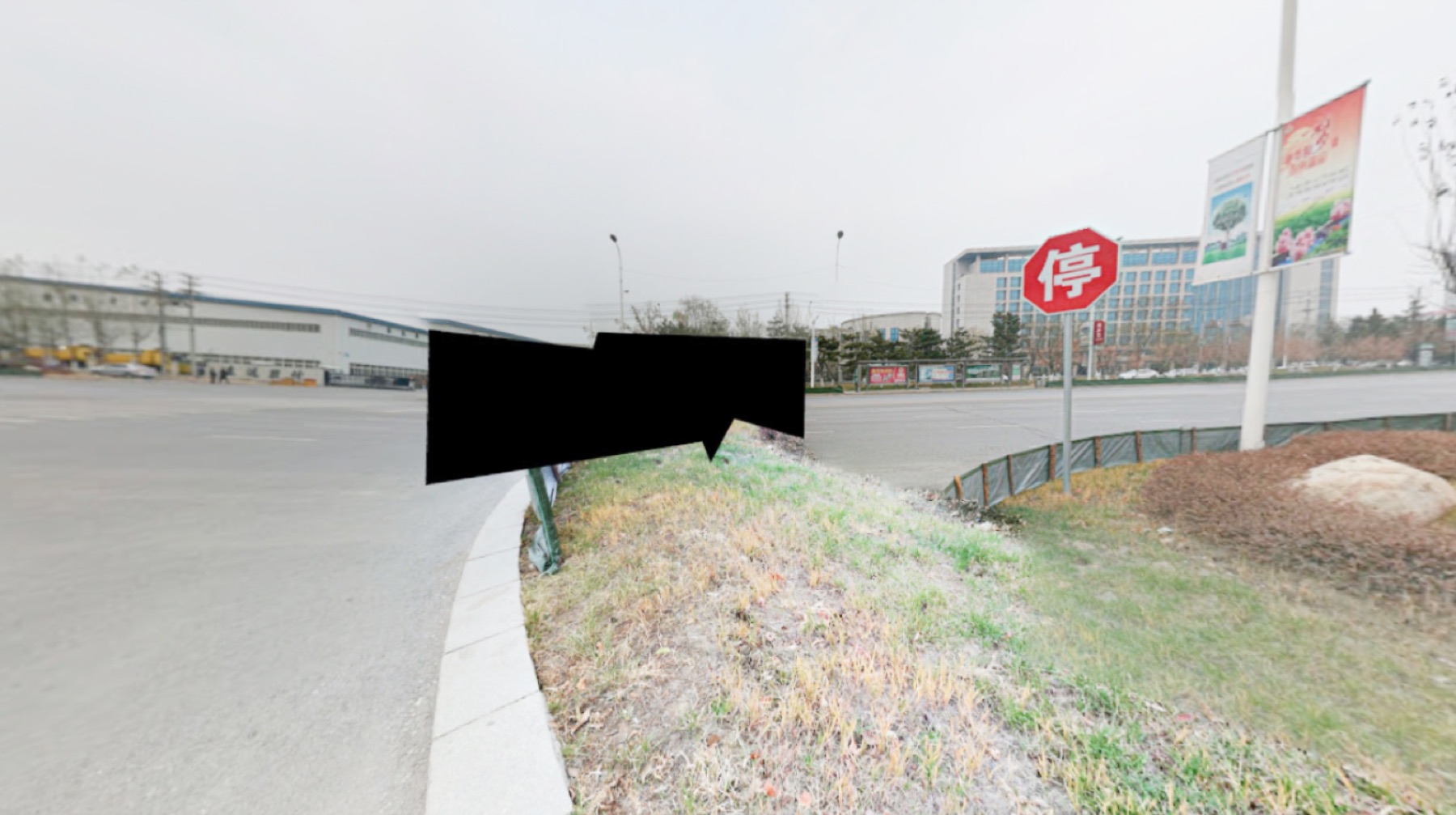
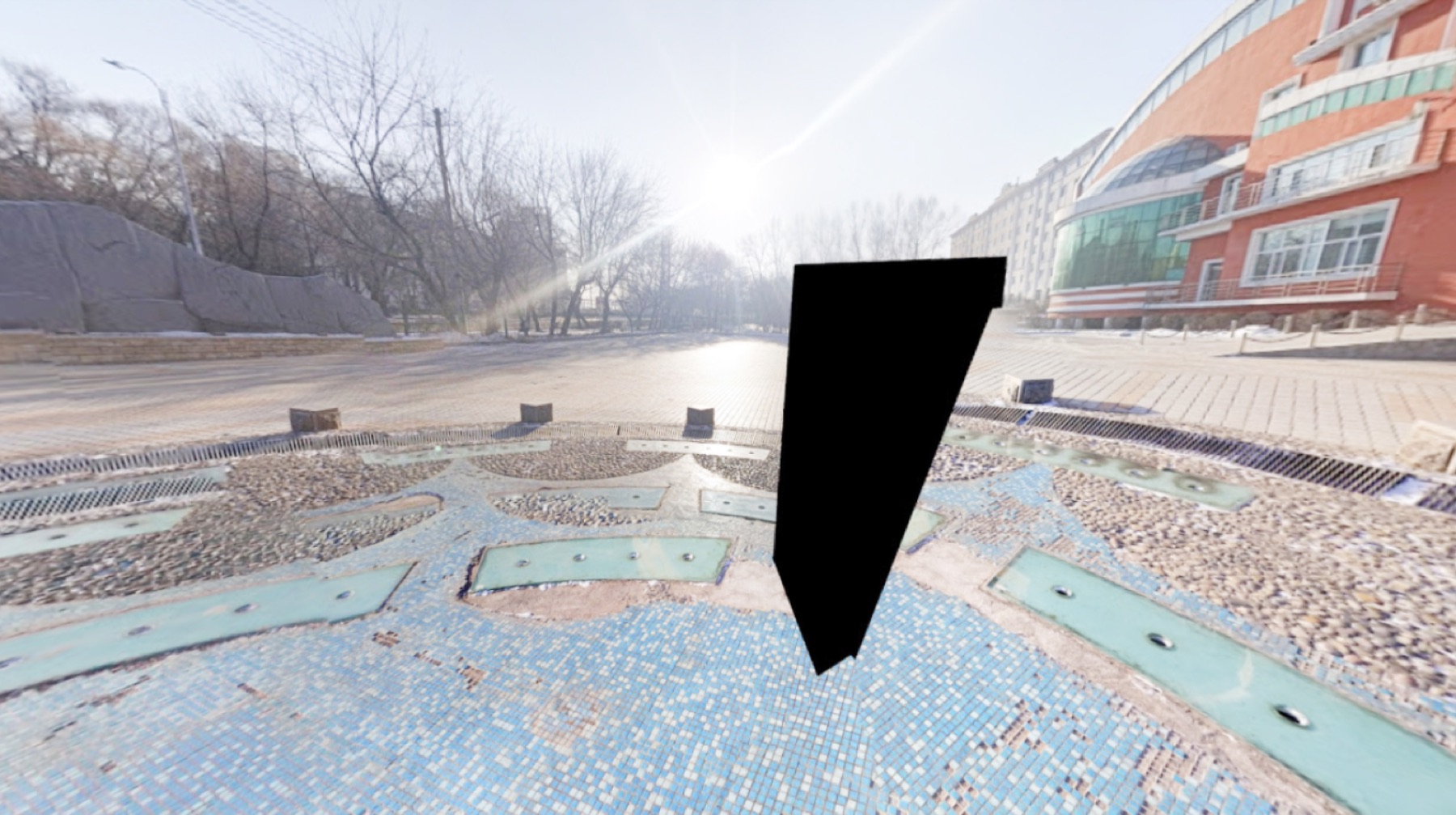
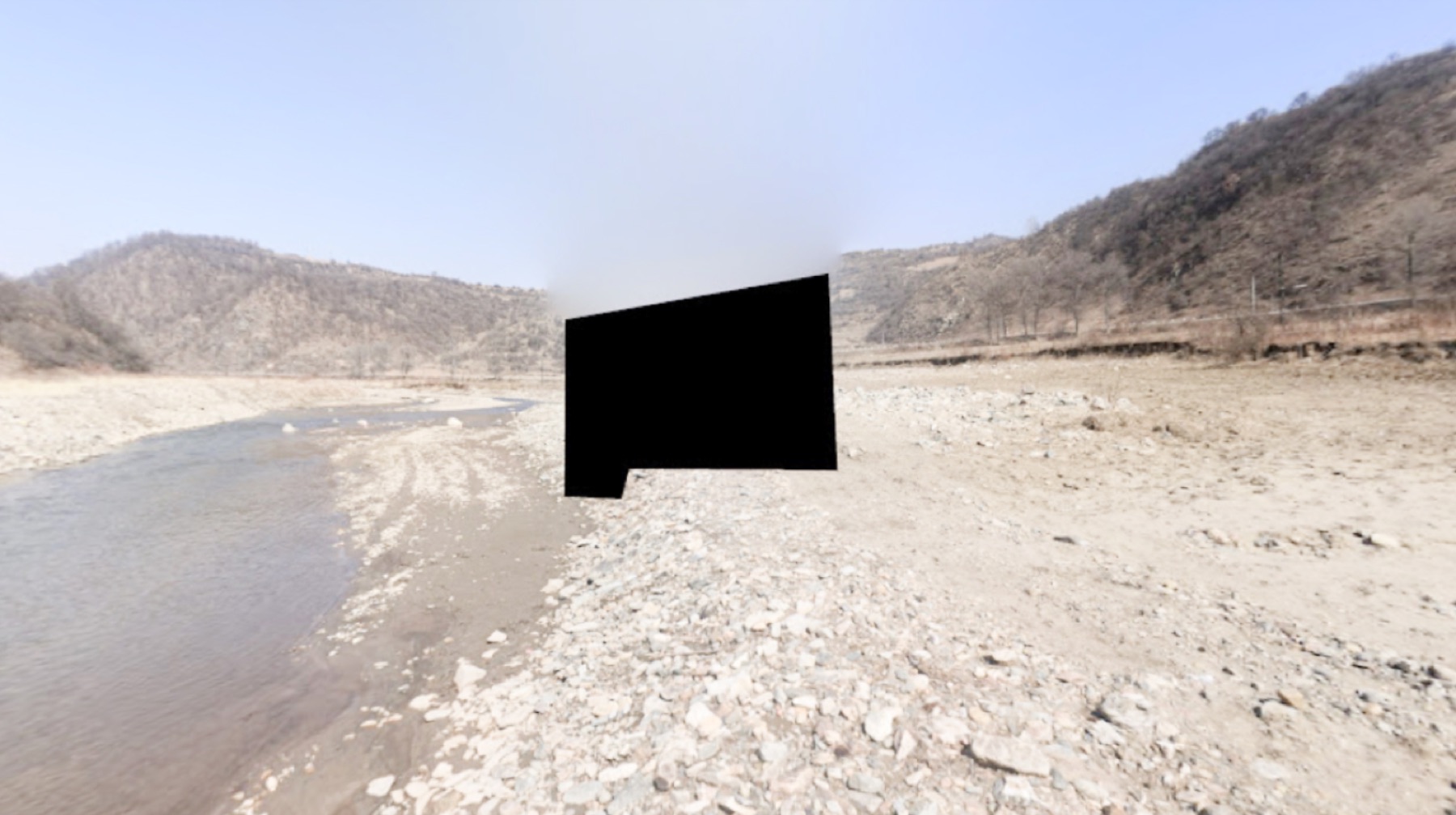
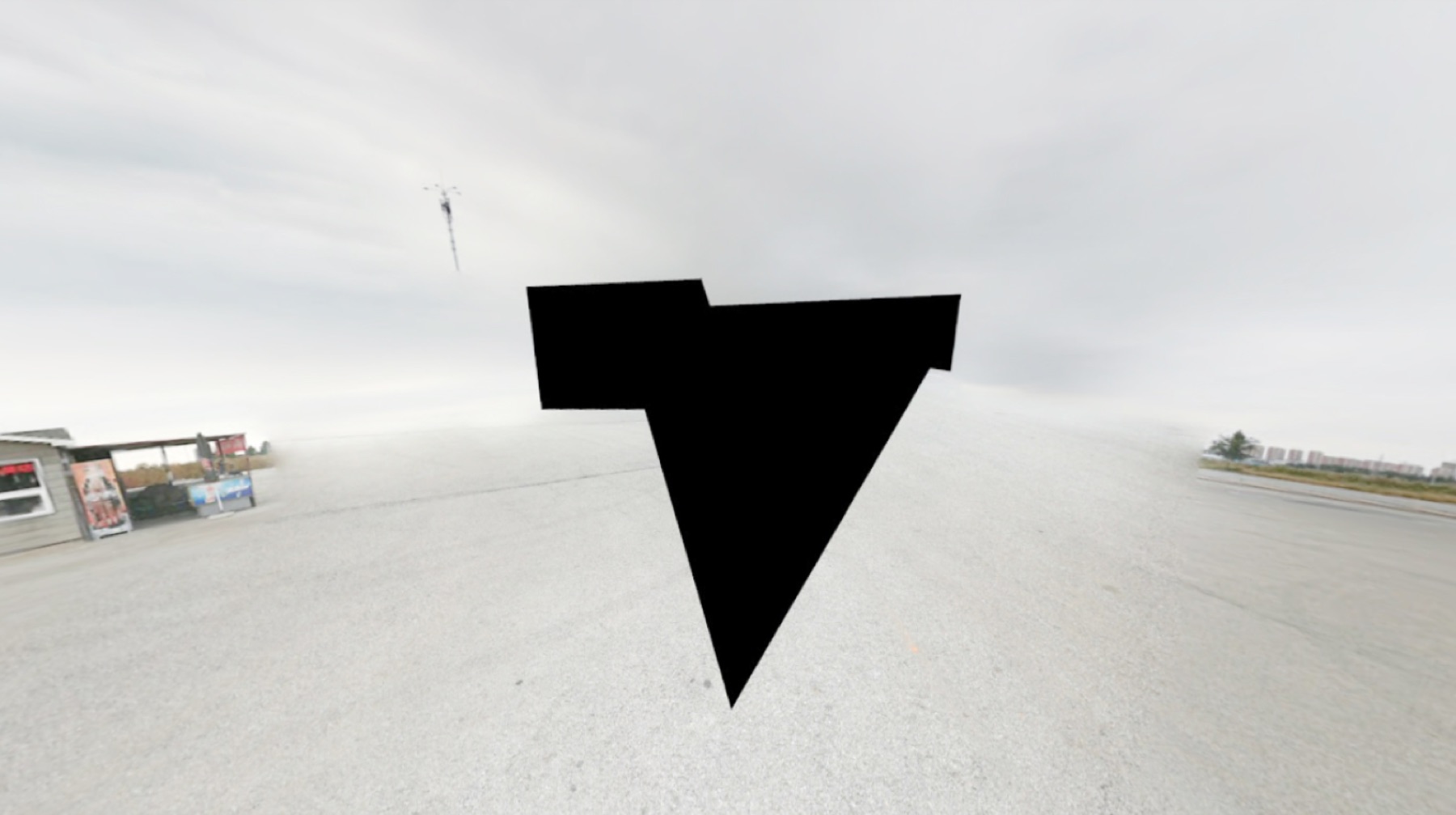
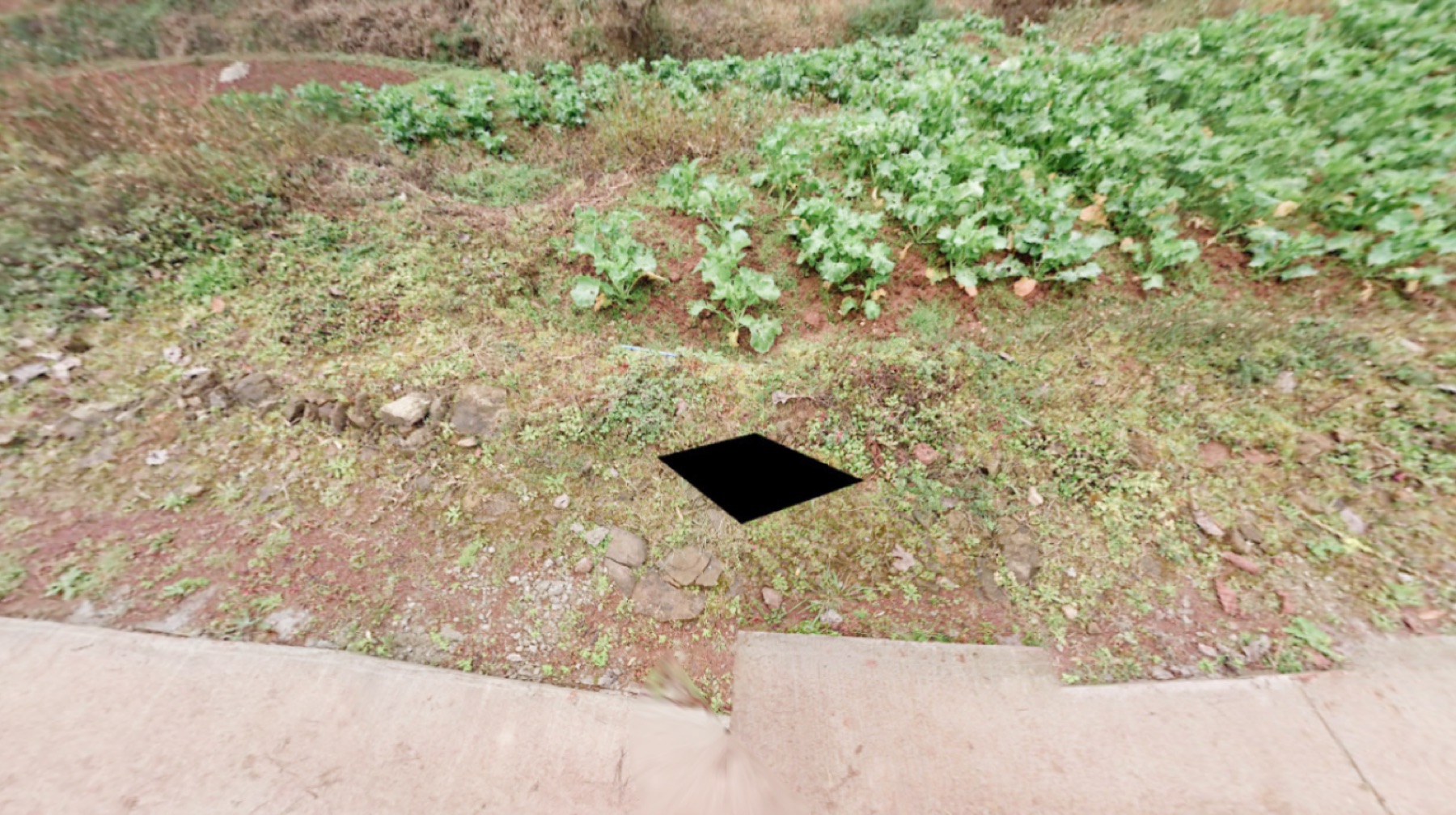
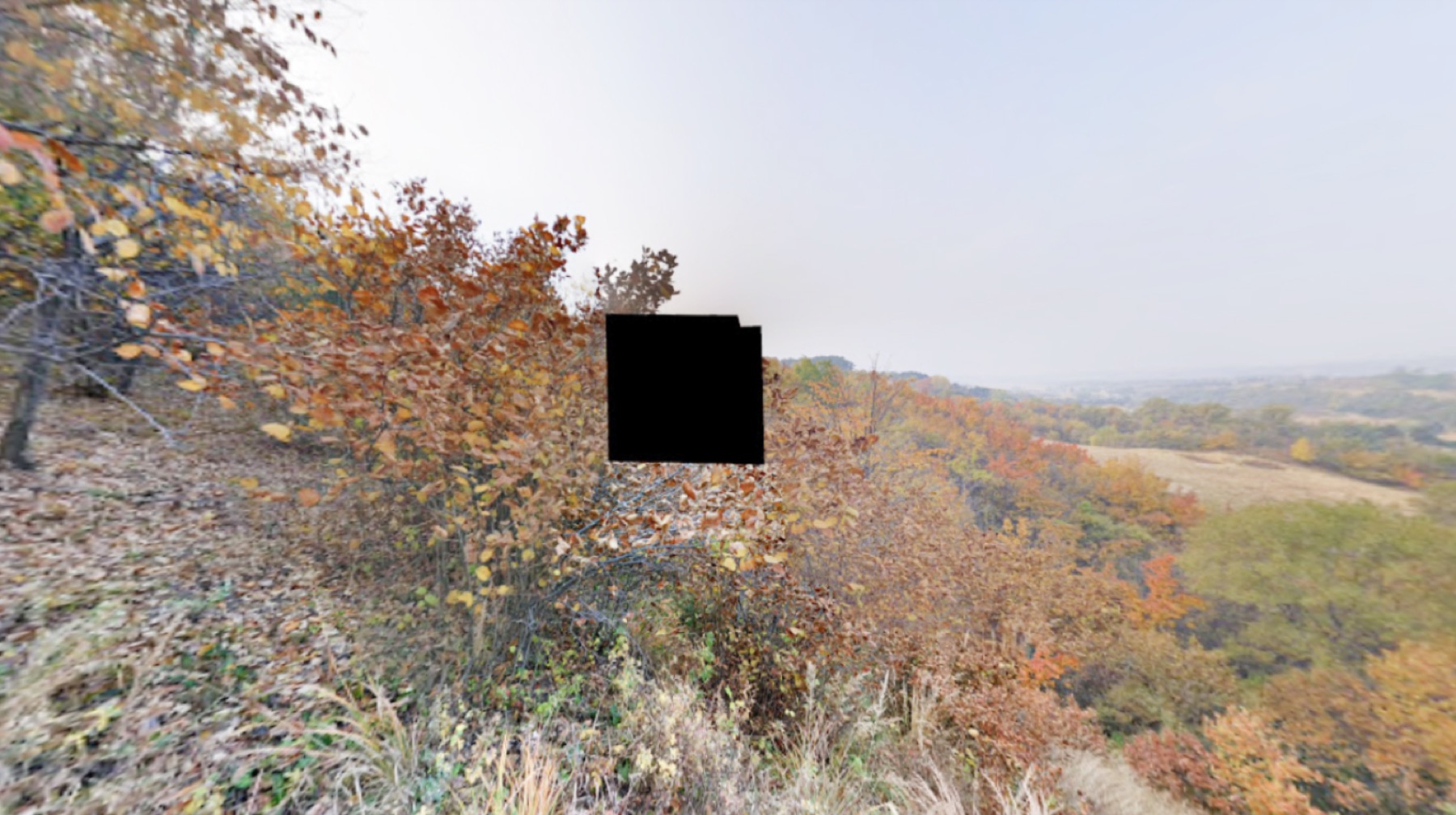
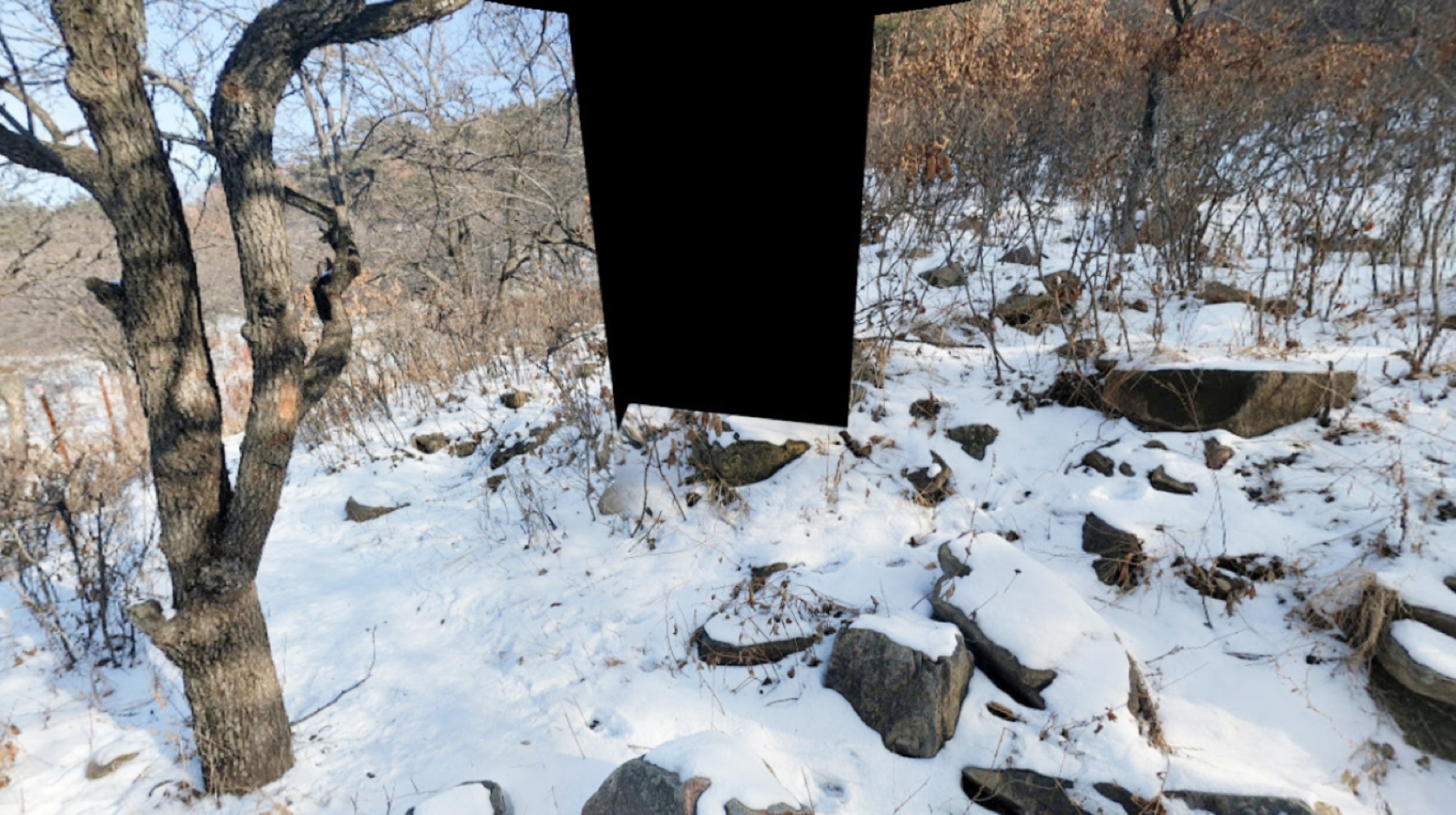
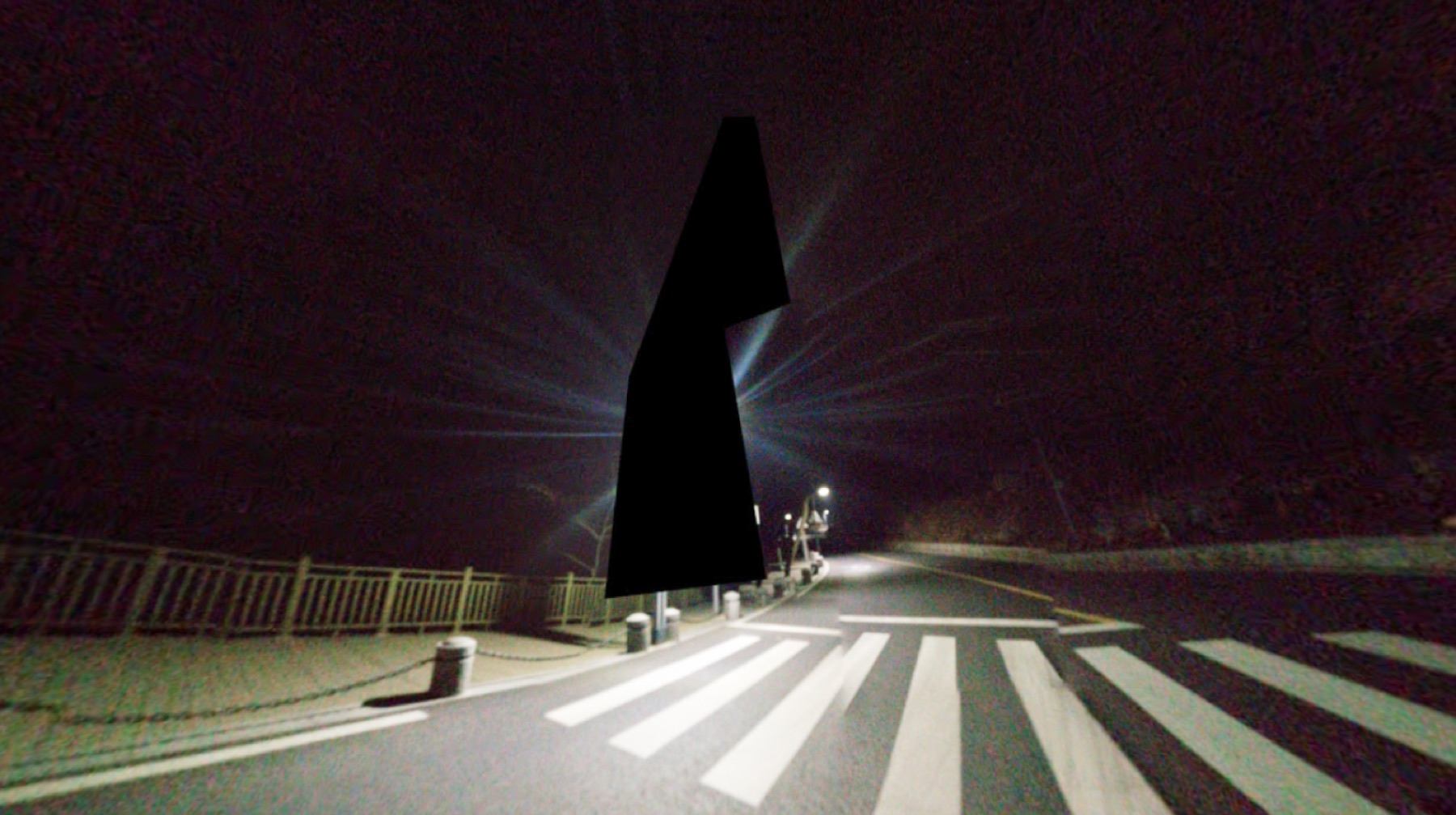
Since 2019, I have been collecting black voids found within Google Street View. These images largely originate from user-uploaded panoramas. When the photographed area is incomplete, or when the platform’s stitching algorithm cannot reconcile the relationships between images, unfilled black regions appear within the street view.
Google Street View attempts to transform physical space into a digital world that can be navigated continuously. These sudden voids interrupt that continuity. Roads, houses, fields, and people remain clearly visible, while parts of the surrounding space appear to have been removed. The voids are technical errors, but they also expose the limits of a digital map’s ability to represent reality as a complete and coherent whole.
I move through the map, searching for and capturing these abnormal images, then separate them from their original navigational function. The black areas sometimes hover in the sky, appear at the end of a road, or open between buildings, giving familiar environments the visual character of virtual landscapes, game spaces, or the “backrooms.”
The Hollow of Google Street View examines absence within digital image systems. When a map is treated as a substitute for reality, the areas that algorithms cannot connect reveal that the apparently complete digital world remains constructed from fragments, errors, and zones of invisibility. The voids provide no additional information, yet they make the boundaries of technological vision visible.
01Algorithmic voids
28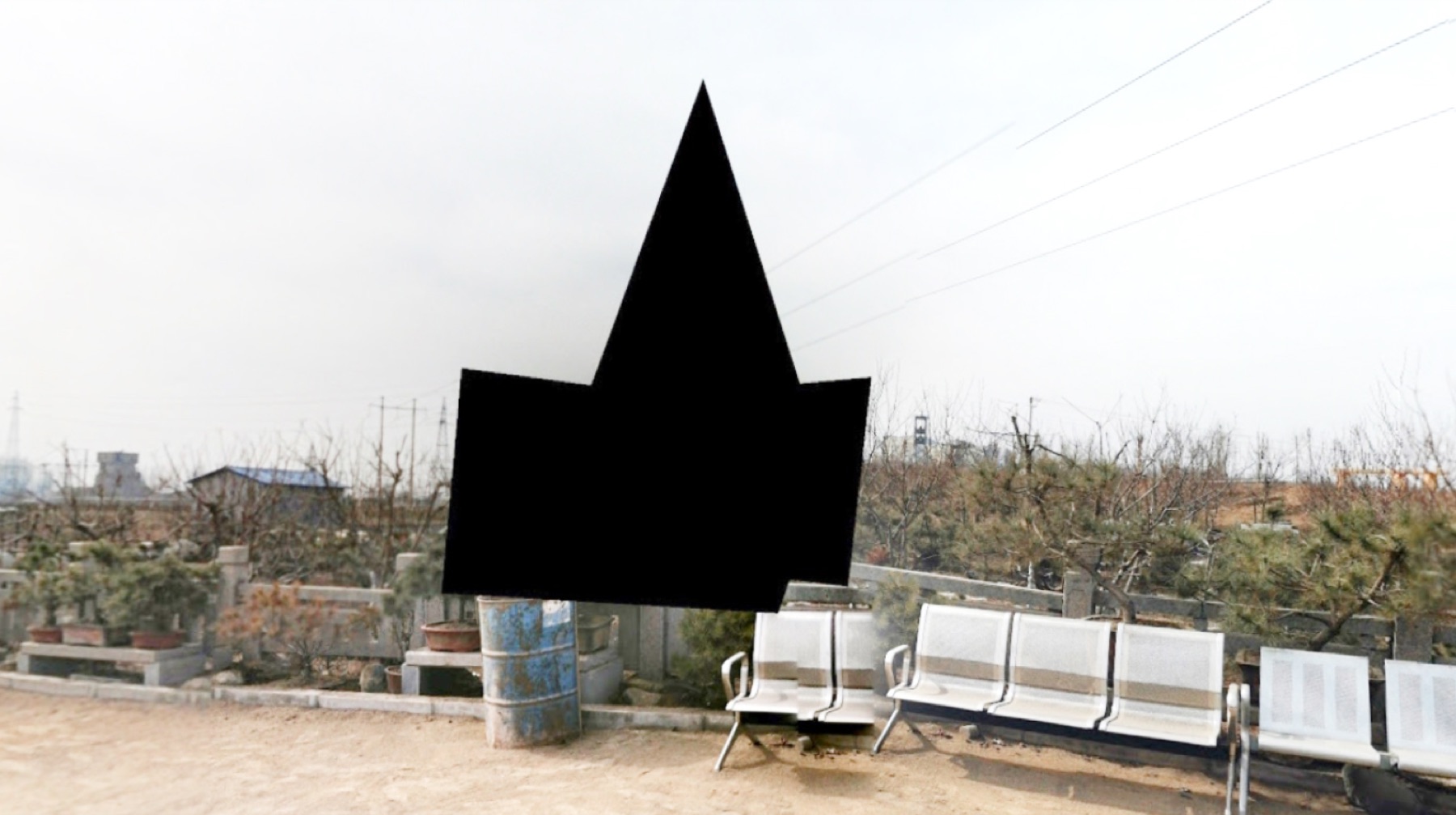
02Completing the hollow
12Completing the Hollow of Google Street View is a follow-up work to The Hollow of Google Street View. In the earlier project, I collected black voids that appeared in Google Street View images when panoramas were incomplete or failed to stitch properly. These gaps functioned both as technical errors and as visible evidence of the limits of digital mapping.
In this work, I use artificial intelligence to fill in those black voids. Based on the surrounding visual information—roads, buildings, trees, sky, and other contextual elements—the algorithm generates an image that appears plausible. The interrupted space is reconnected, and the street view becomes continuous again, as if the missing areas had never existed.
Yet this completion does not restore reality. The generated sections are not recovered fragments of an original scene, but speculative images produced through algorithmic inference. They fill a visual absence while introducing a new uncertainty: are we looking at an extension of reality, or at a reality imagined by technology?
The work focuses on this shift from recording to generation. Digital images no longer function only as indexes of the world; they increasingly produce the missing parts of the world they fail to capture. As algorithmic systems become capable of repairing the gaps within mapping platforms, the image appears more complete, while its reliability as evidence becomes more unstable.
The project asks how we should understand the relationship between image and reality when technology no longer merely records the world, but begins to write in what it could not record.