Deluxe Hotel
Part of Experiences of the Countryside
- Year
- 2019
- Medium
- Photography
- Dimensions
- Dimensions variable
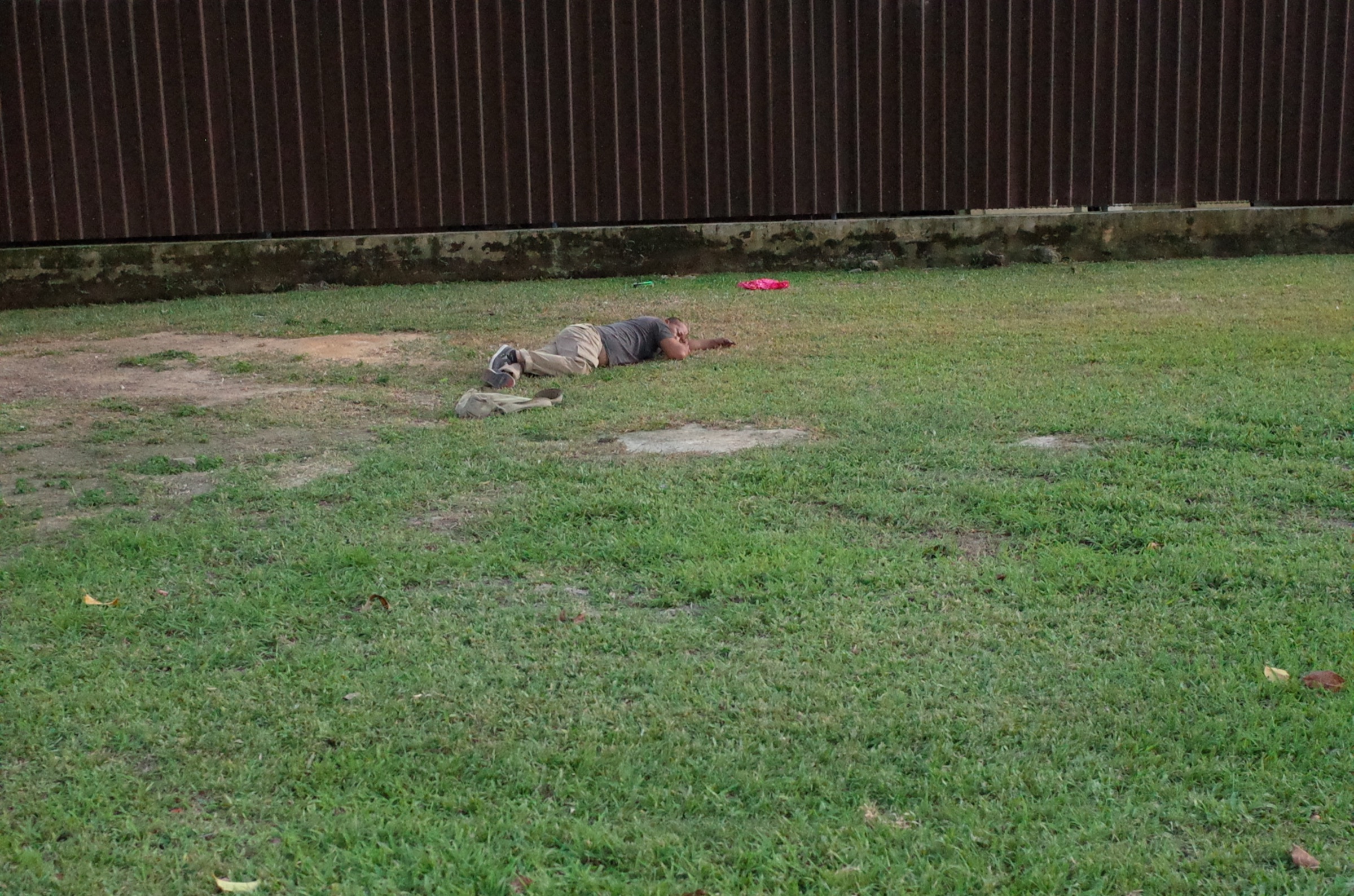
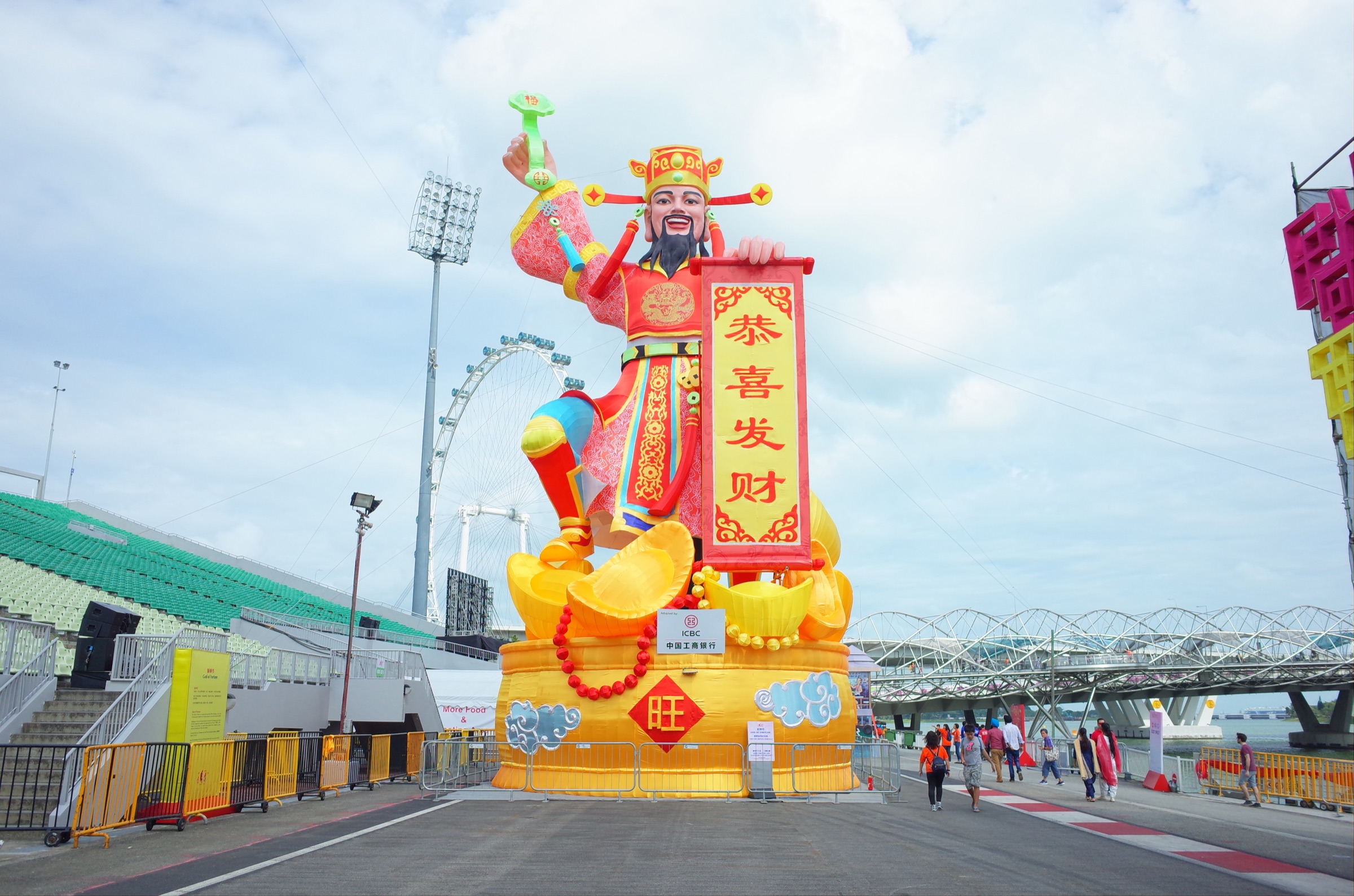
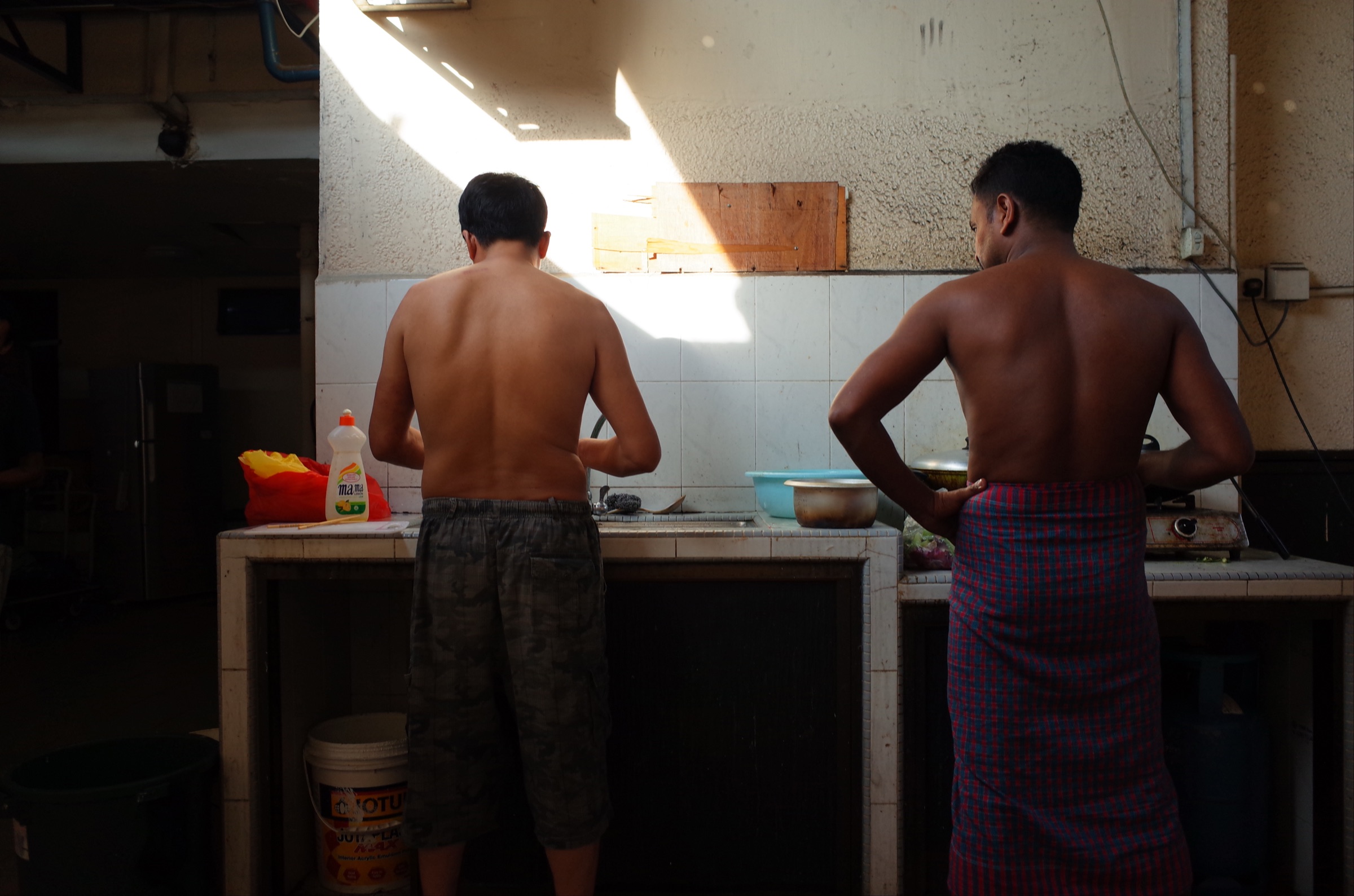
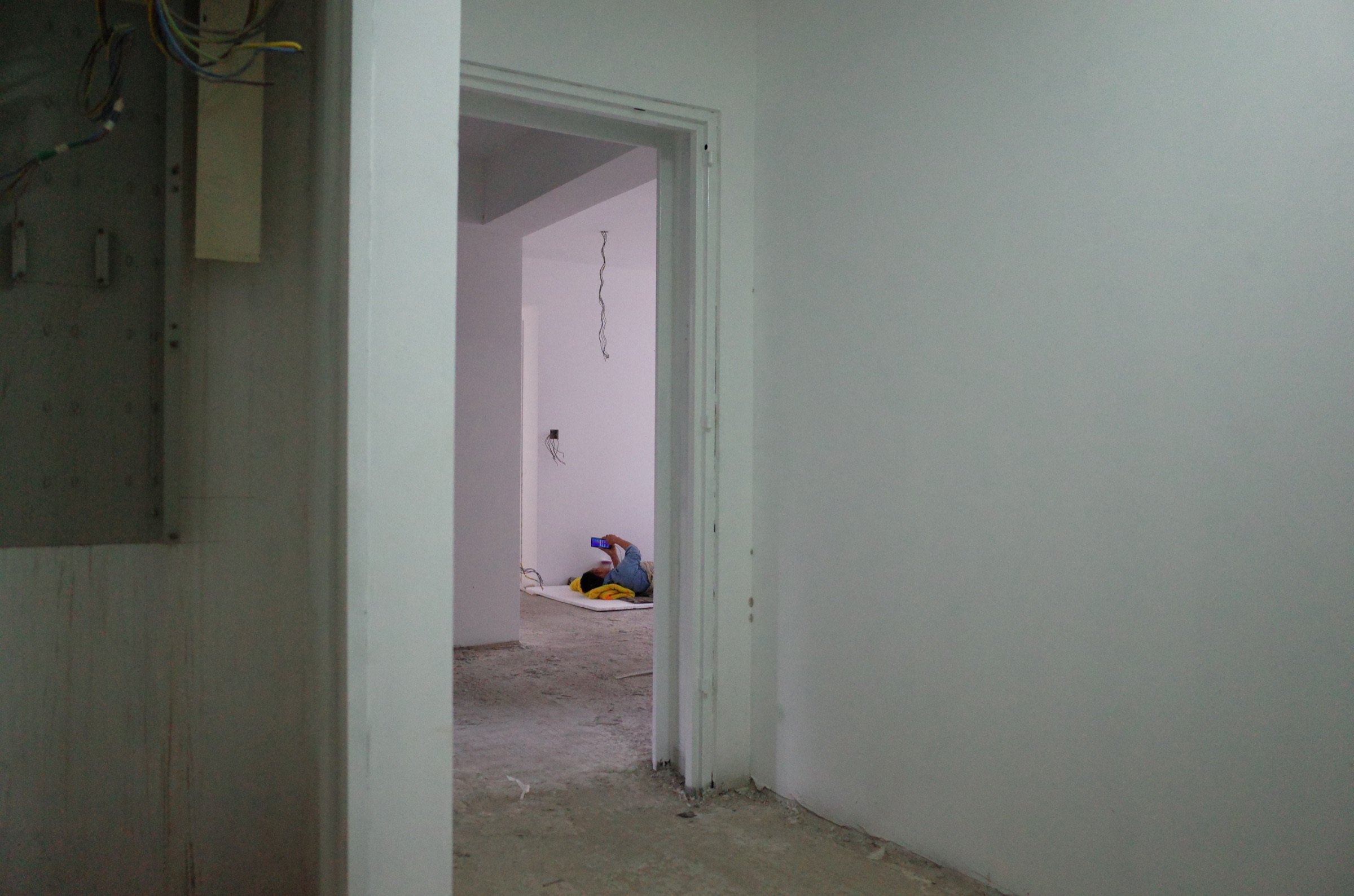
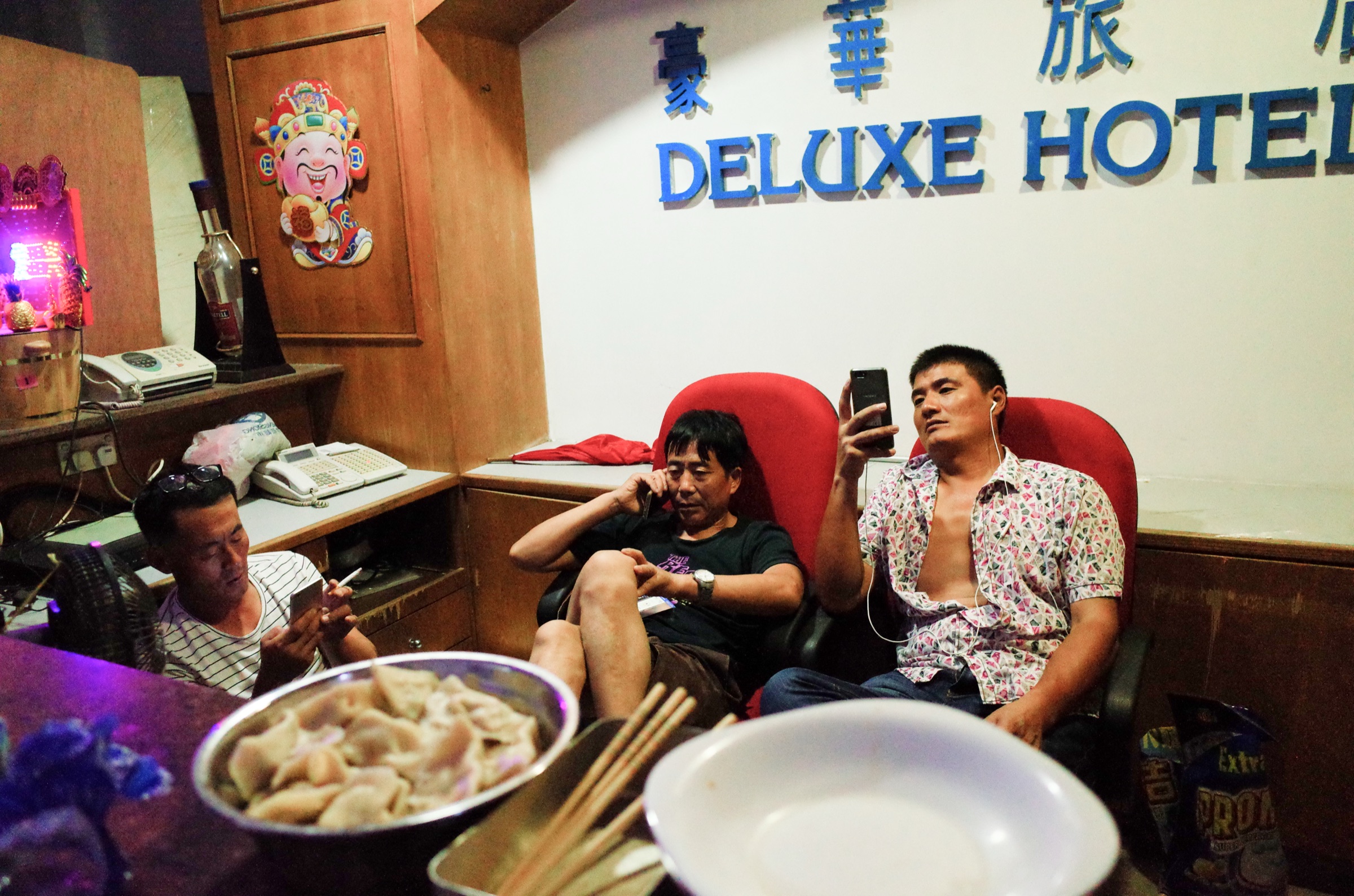
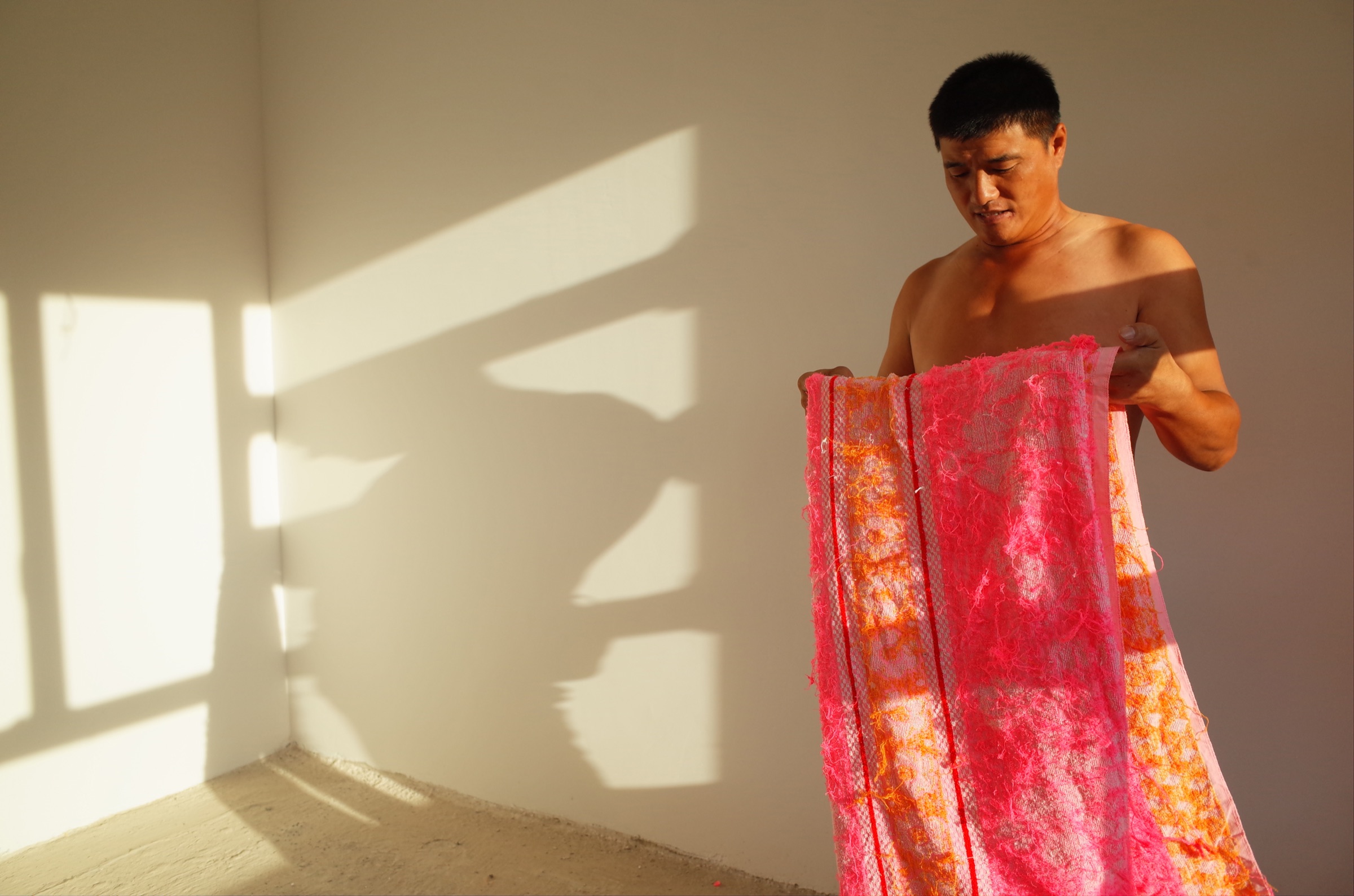
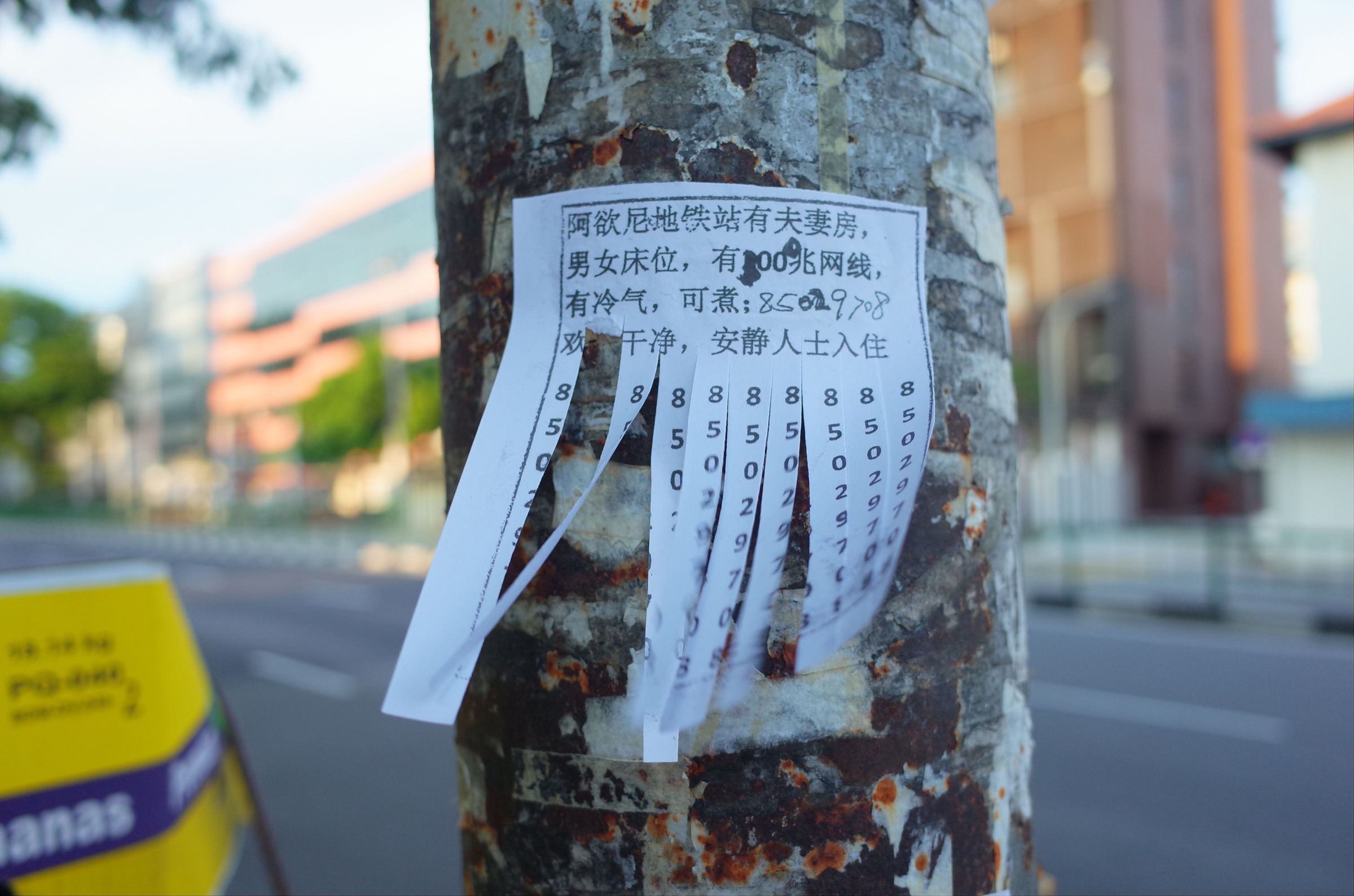
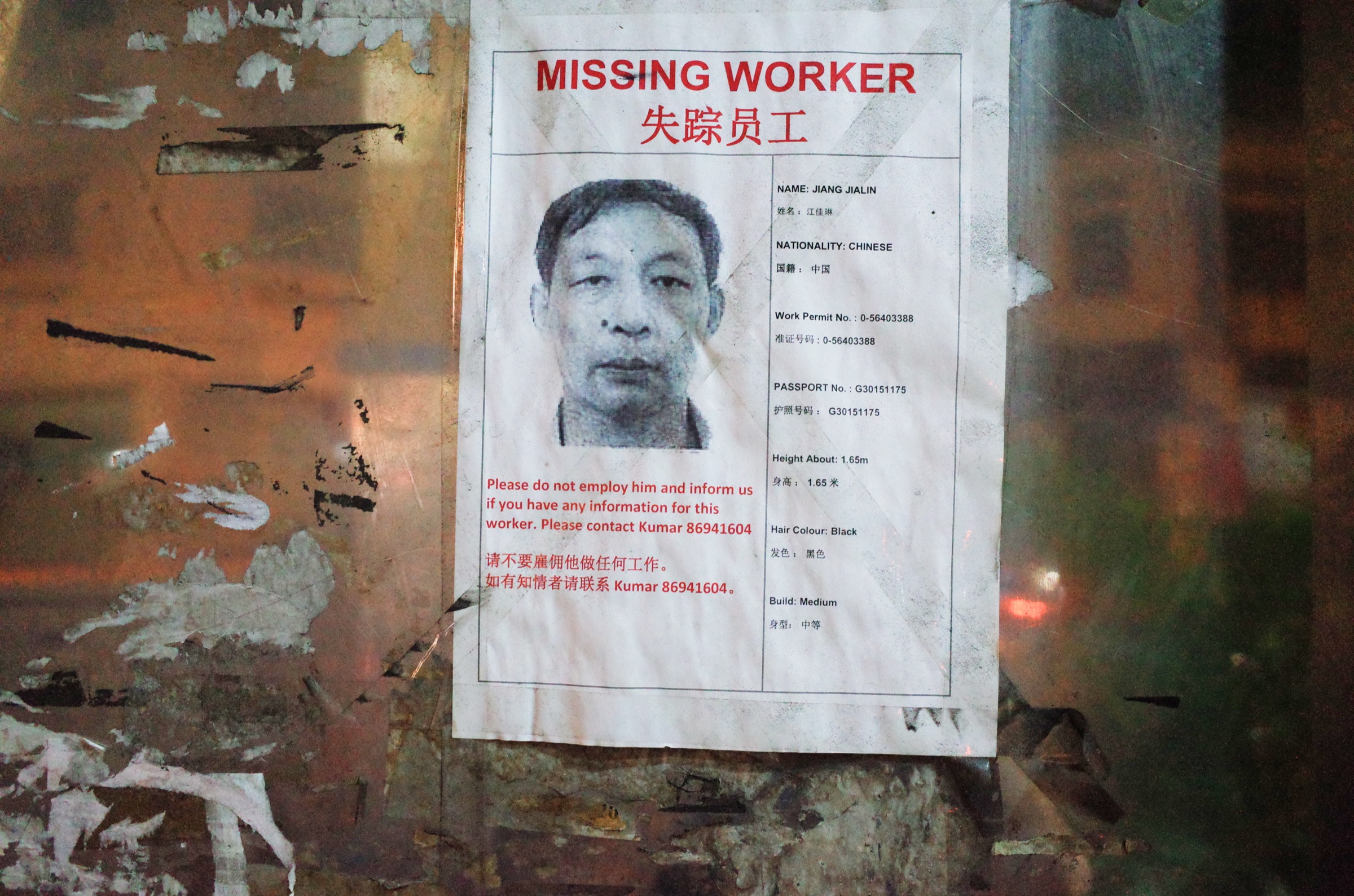
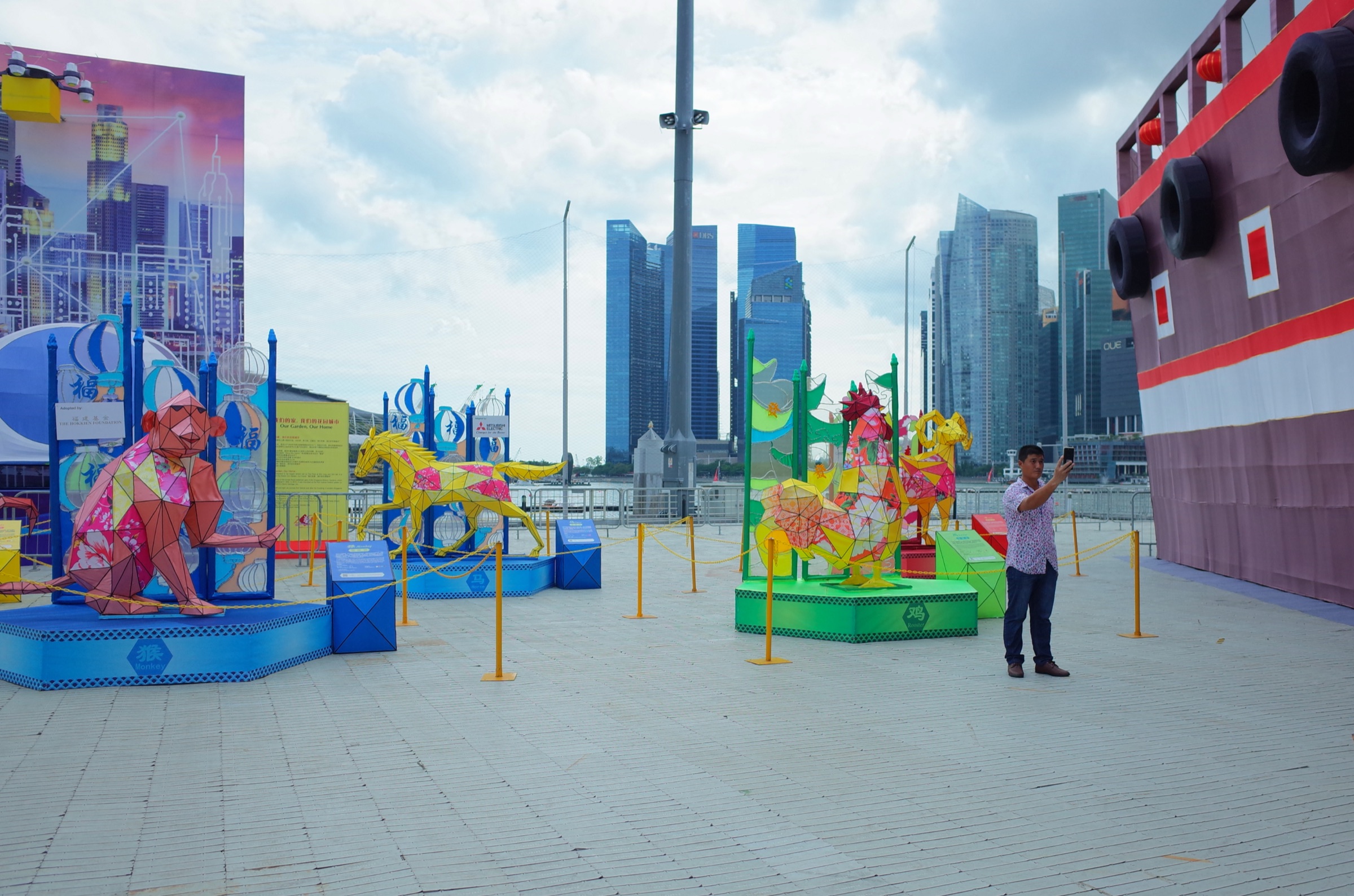
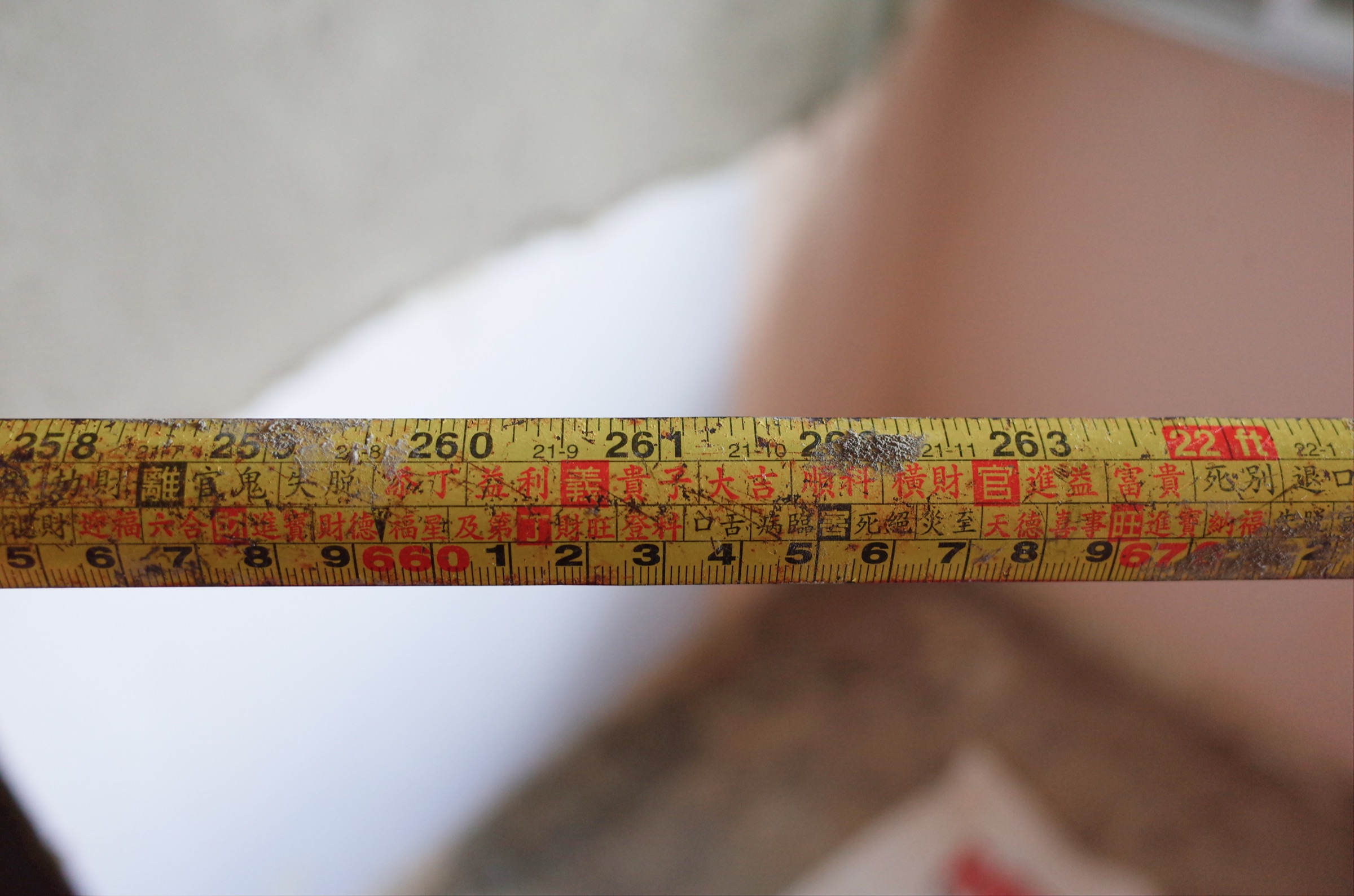
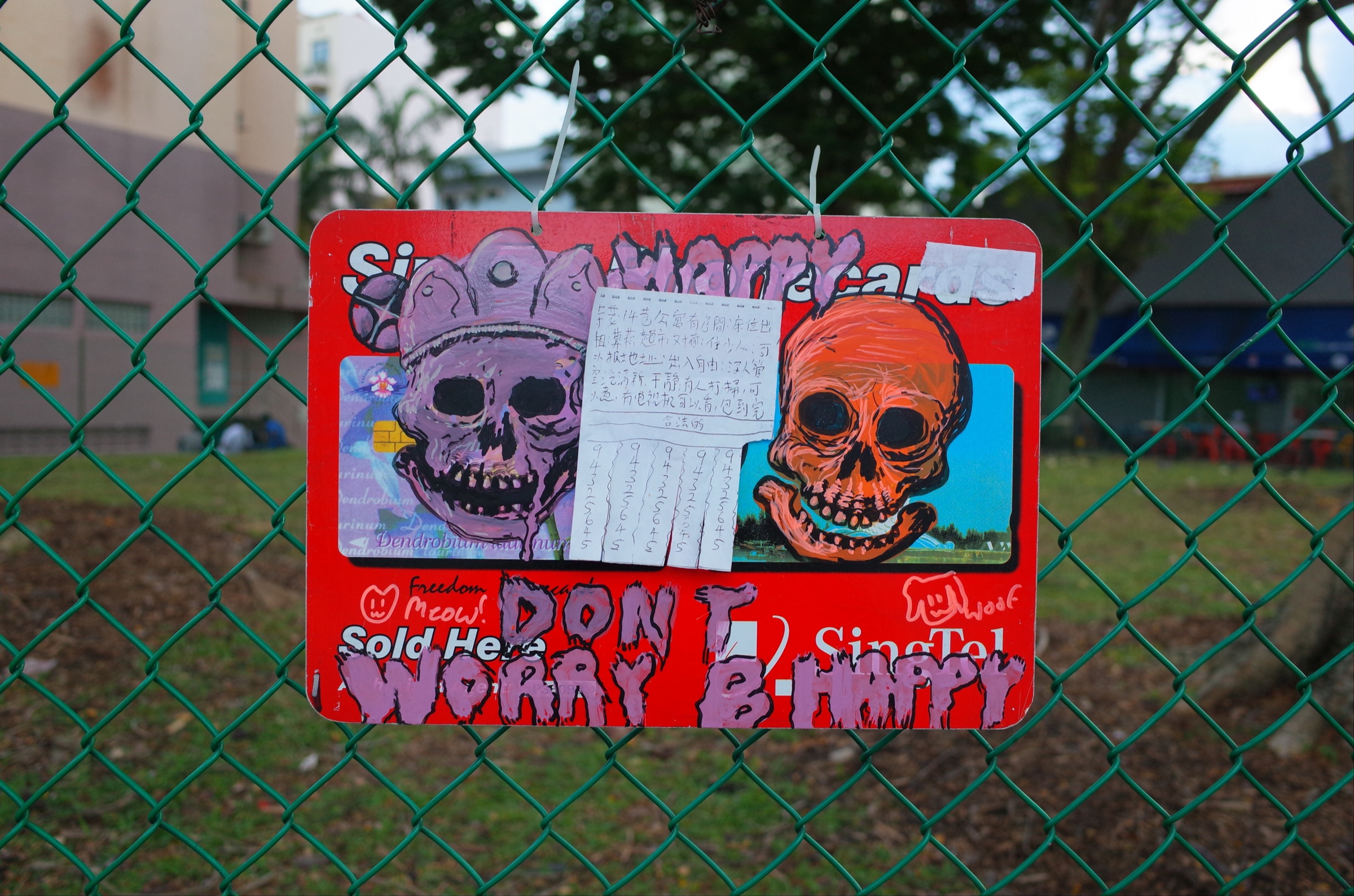
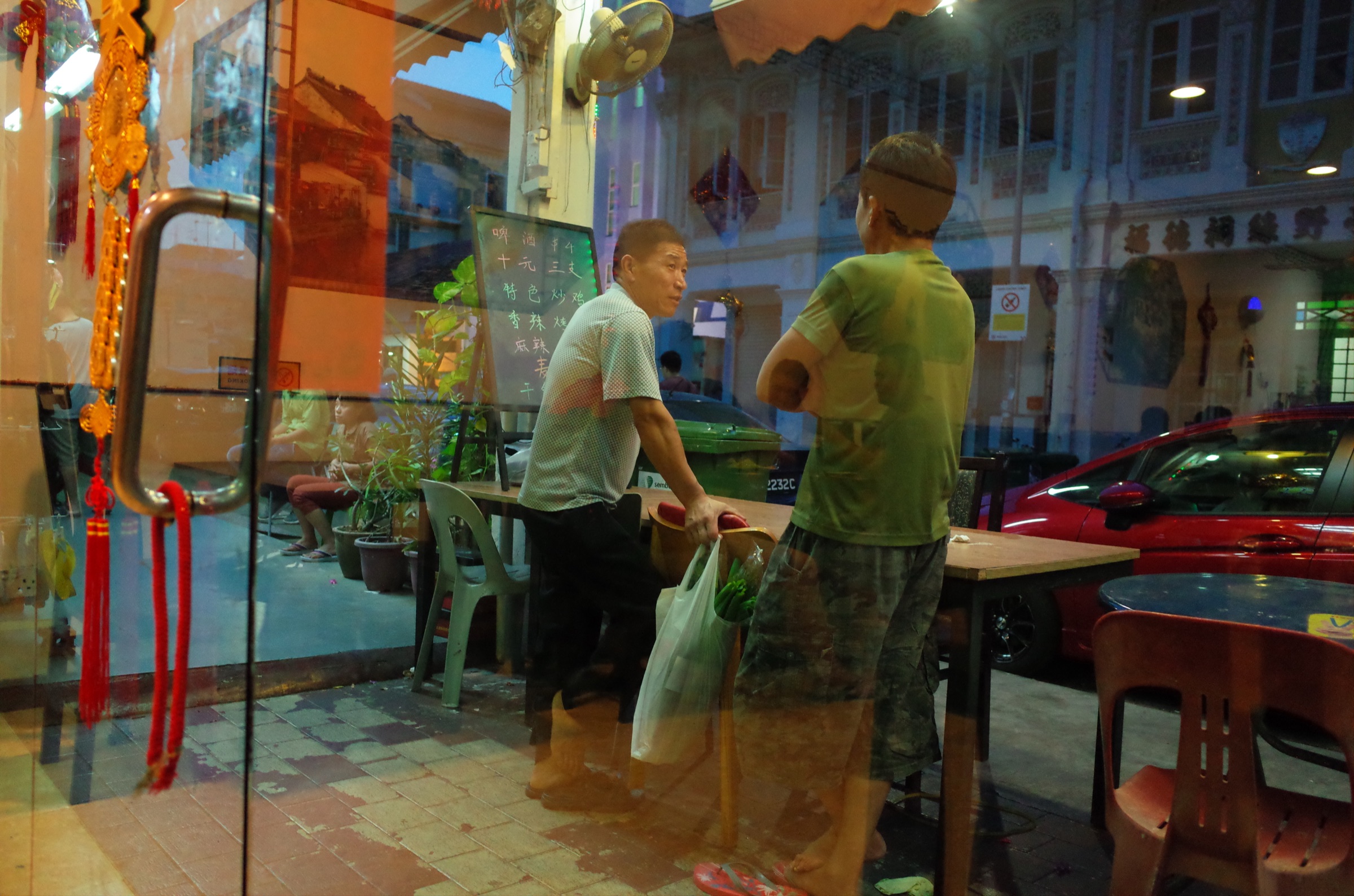
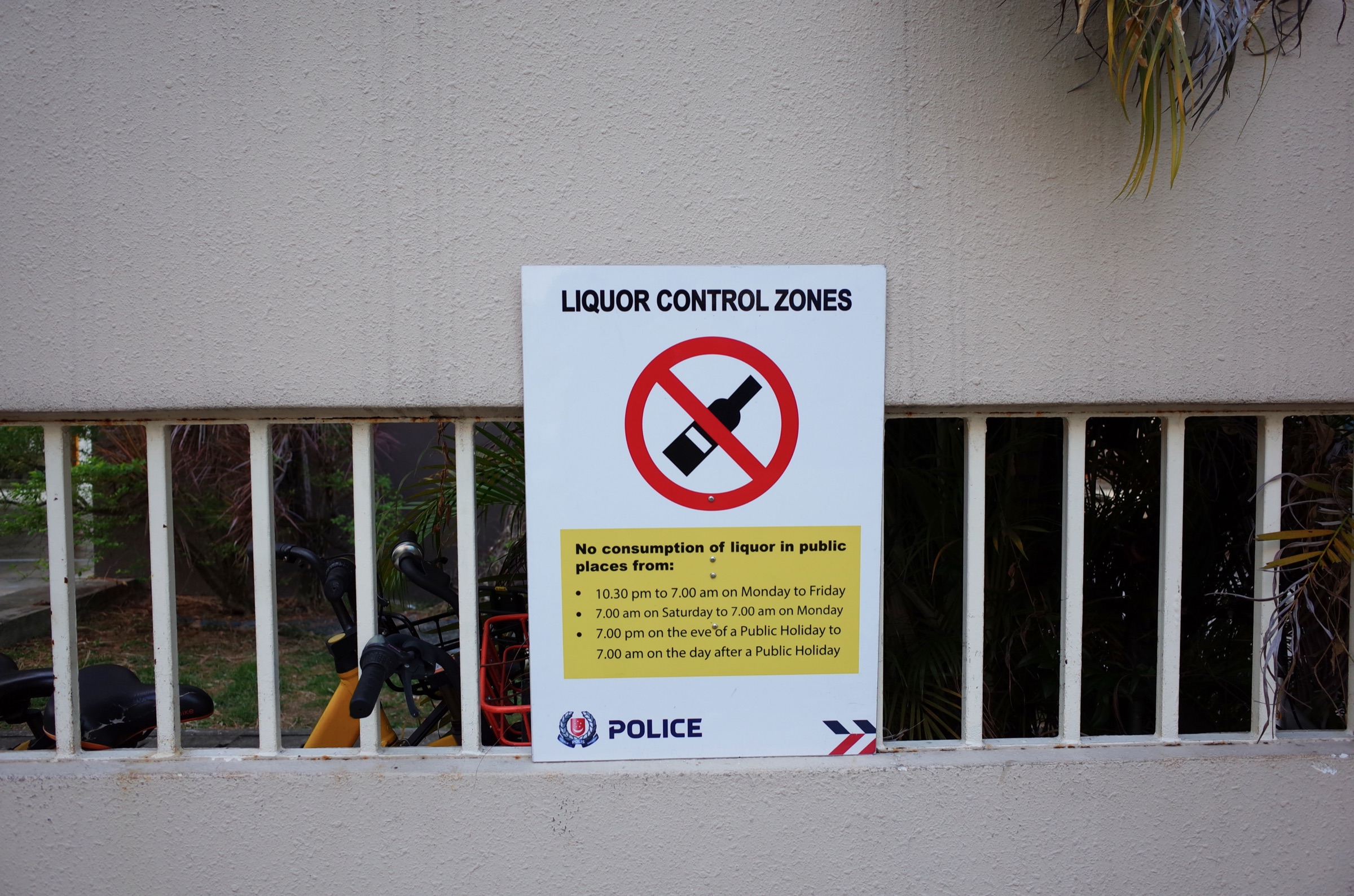
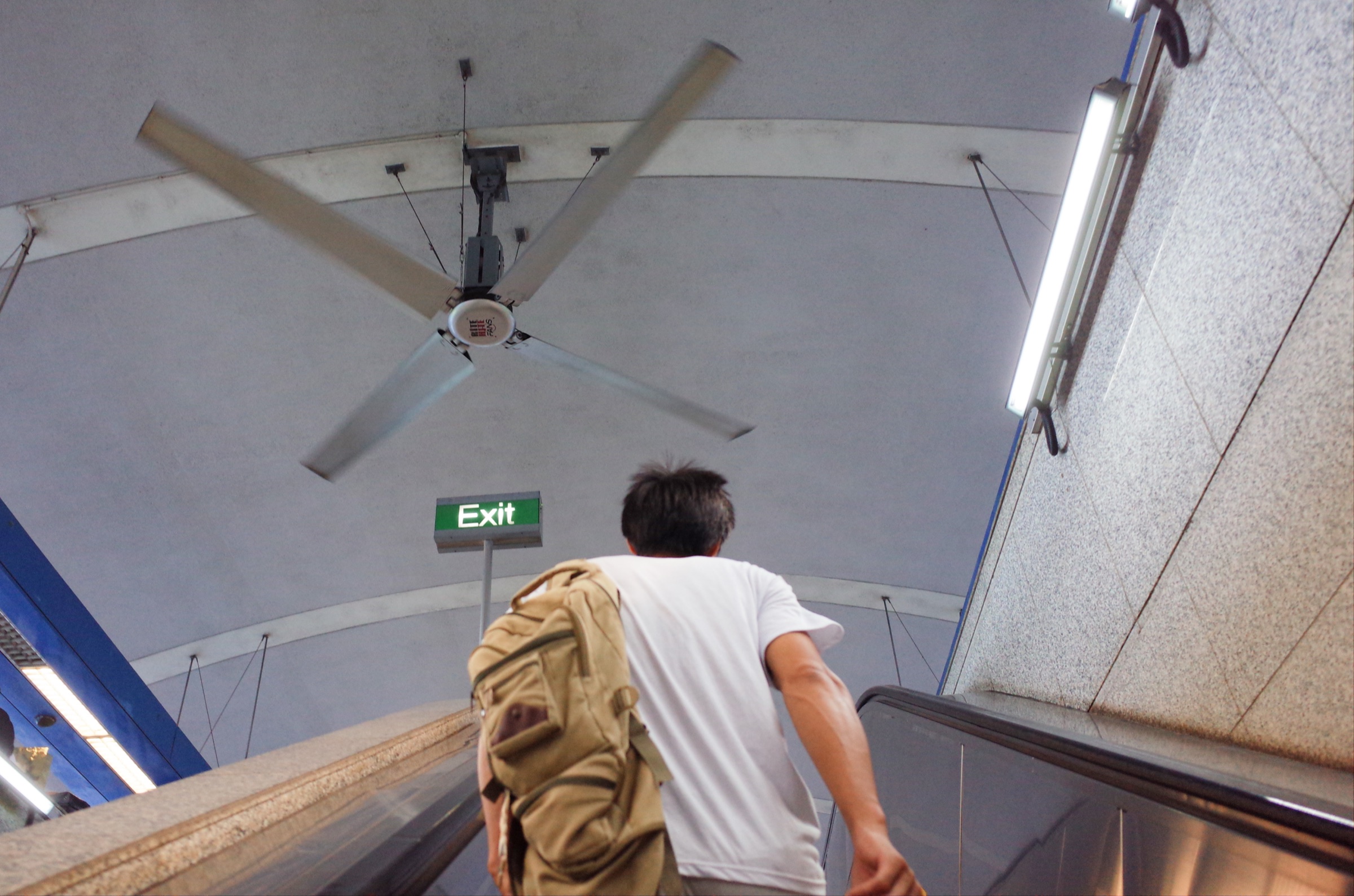
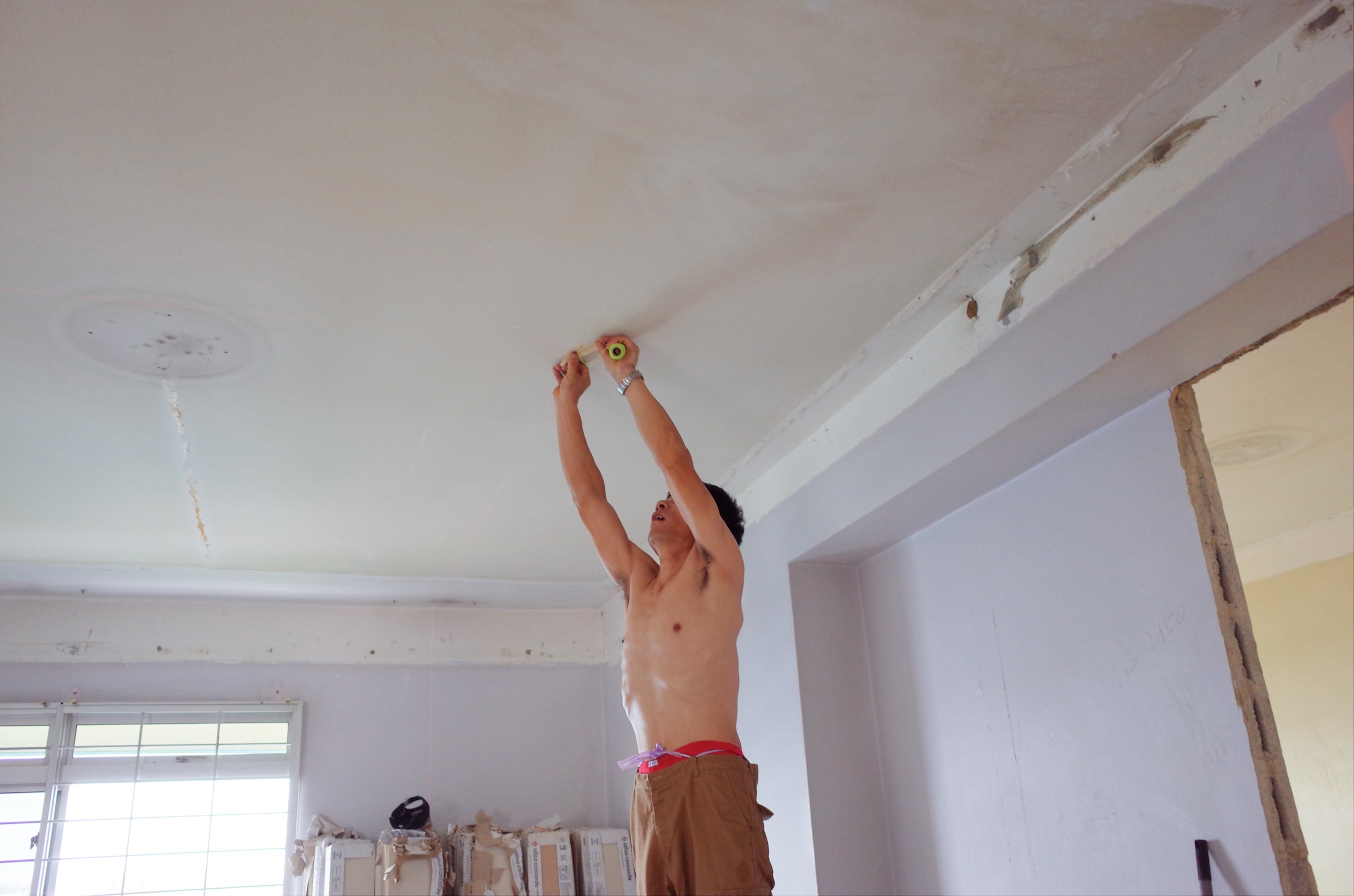
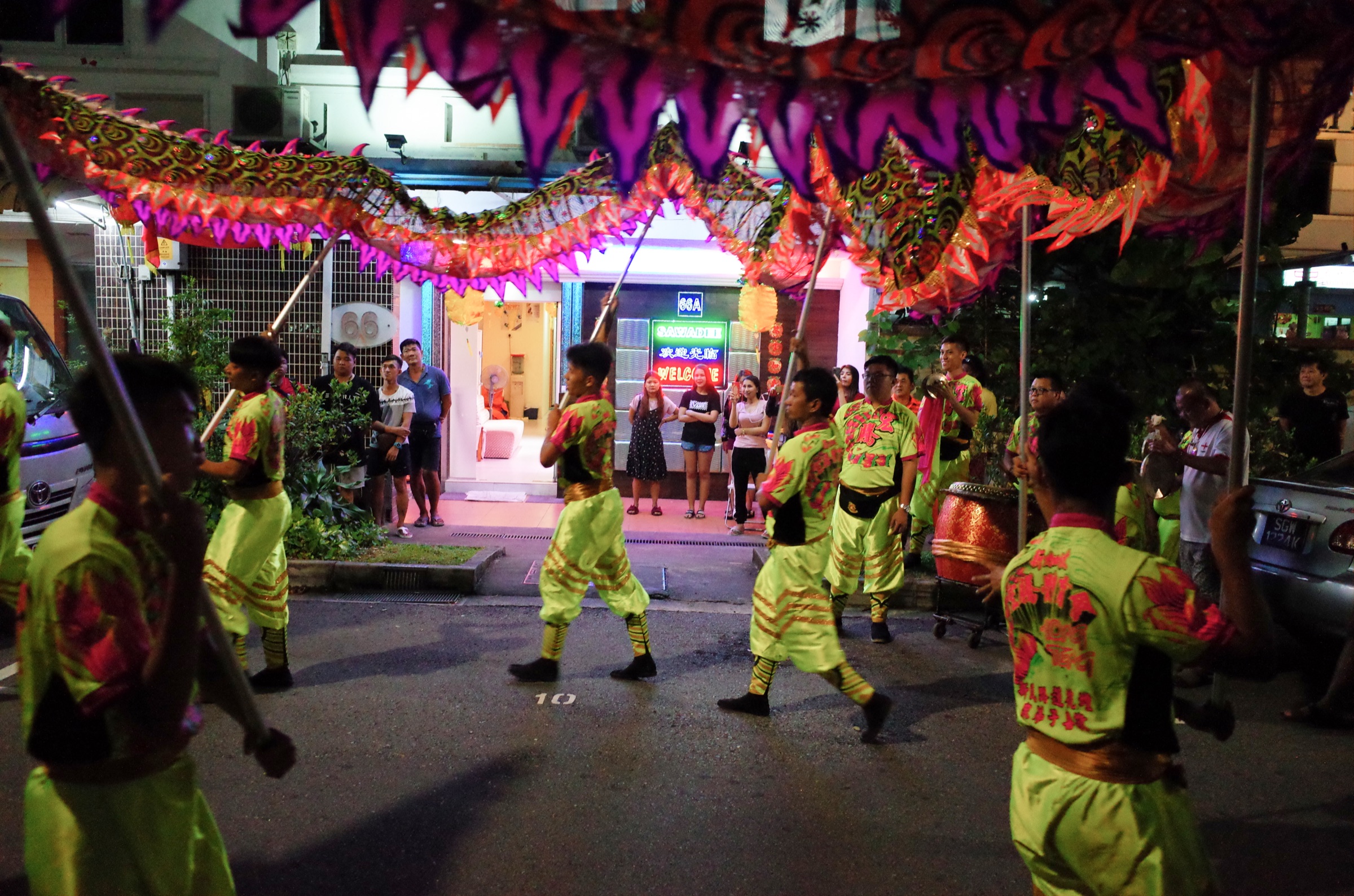
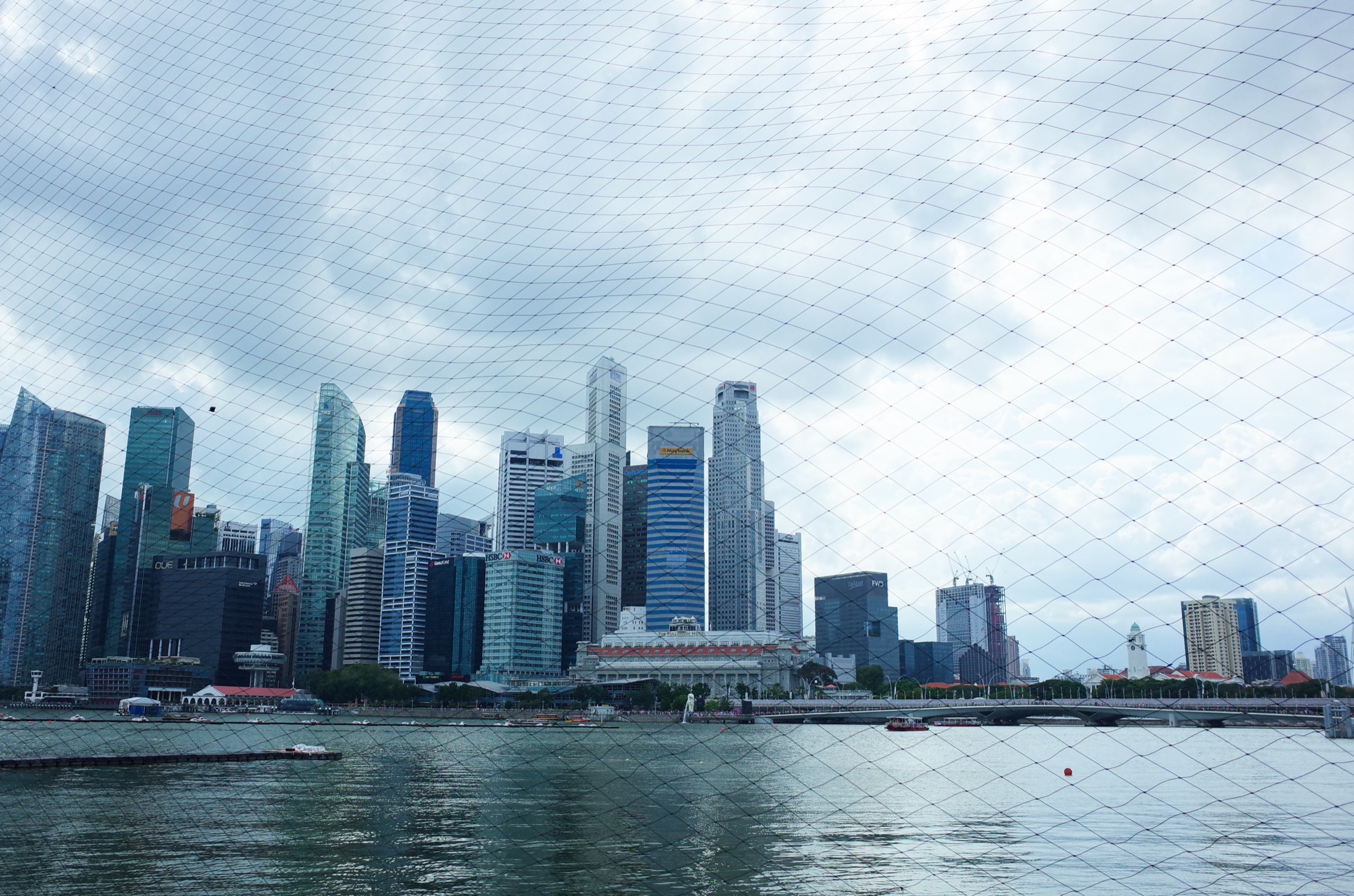
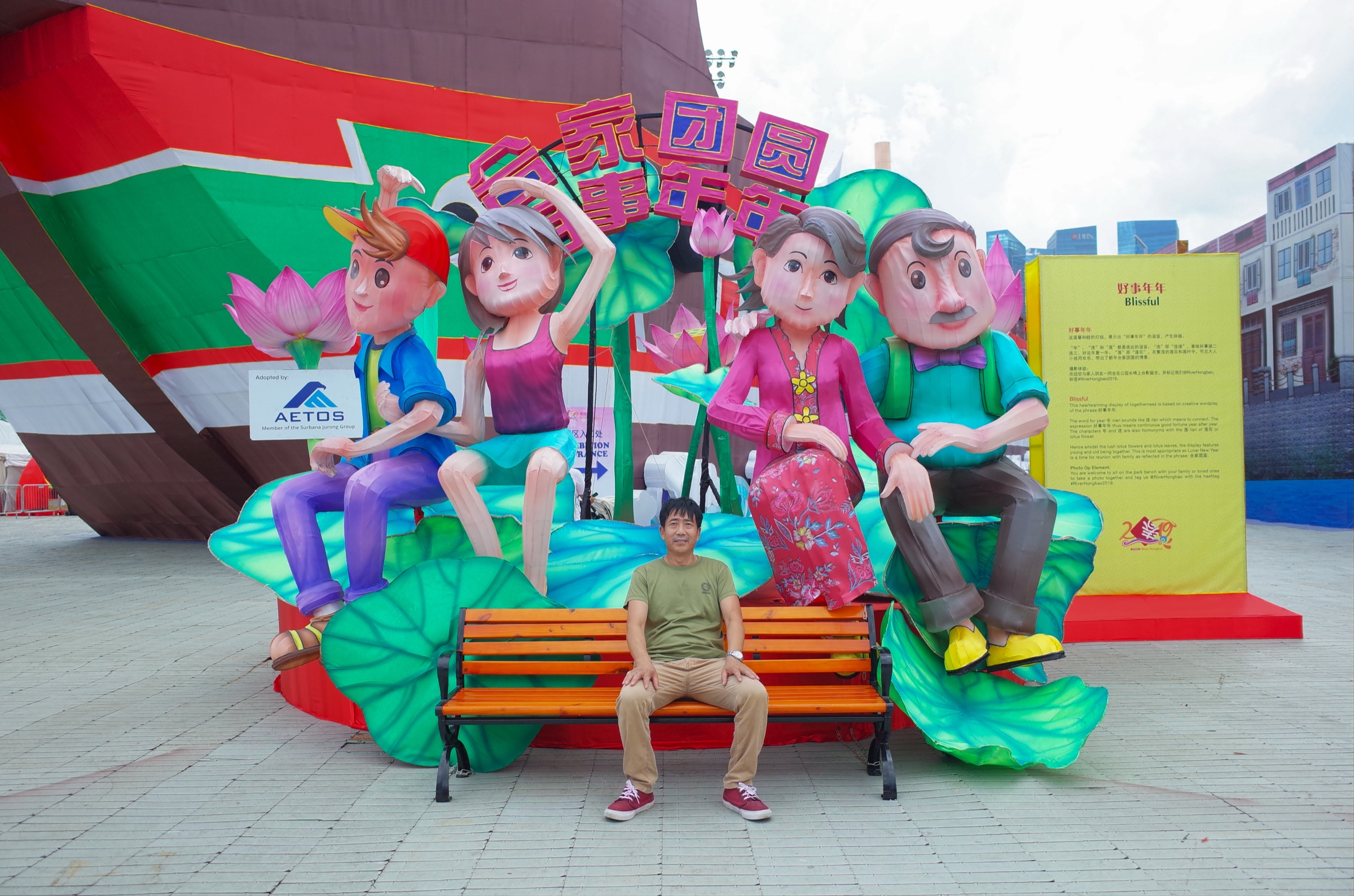
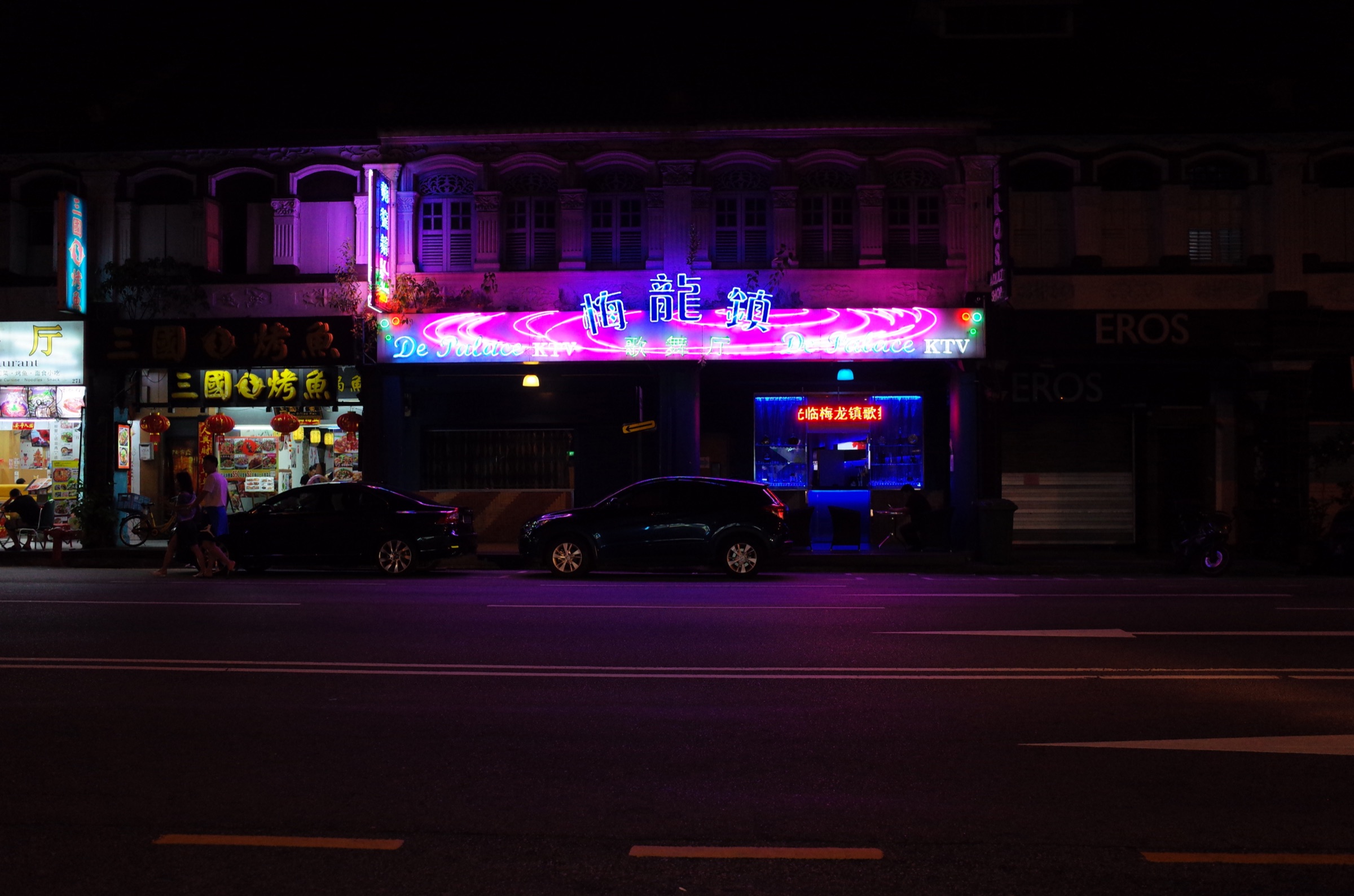
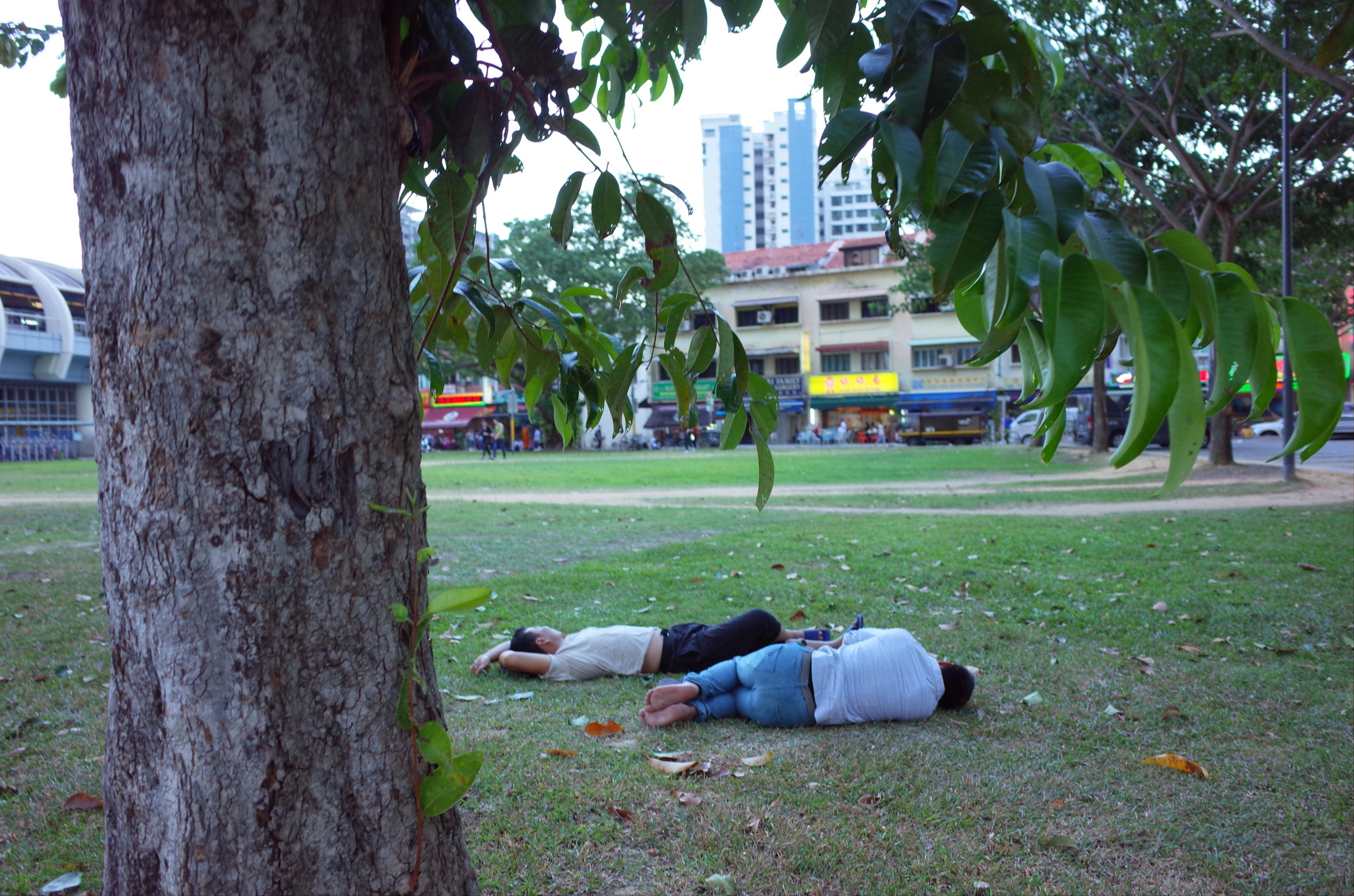
Deluxe Hotel was photographed in Geylang, Singapore, and follows a group of Chinese construction workers who have spent many years working abroad. One of them, Lao Yang, comes from a rural village in Jiangsu. Since 2003, he has worked in Israel, the United Arab Emirates, and Singapore. Across these countries, he has experienced armed conflict, robbery, economic crisis, and changing migration policies, while sending most of his earnings home to repay debts, support his children, and finance housing.
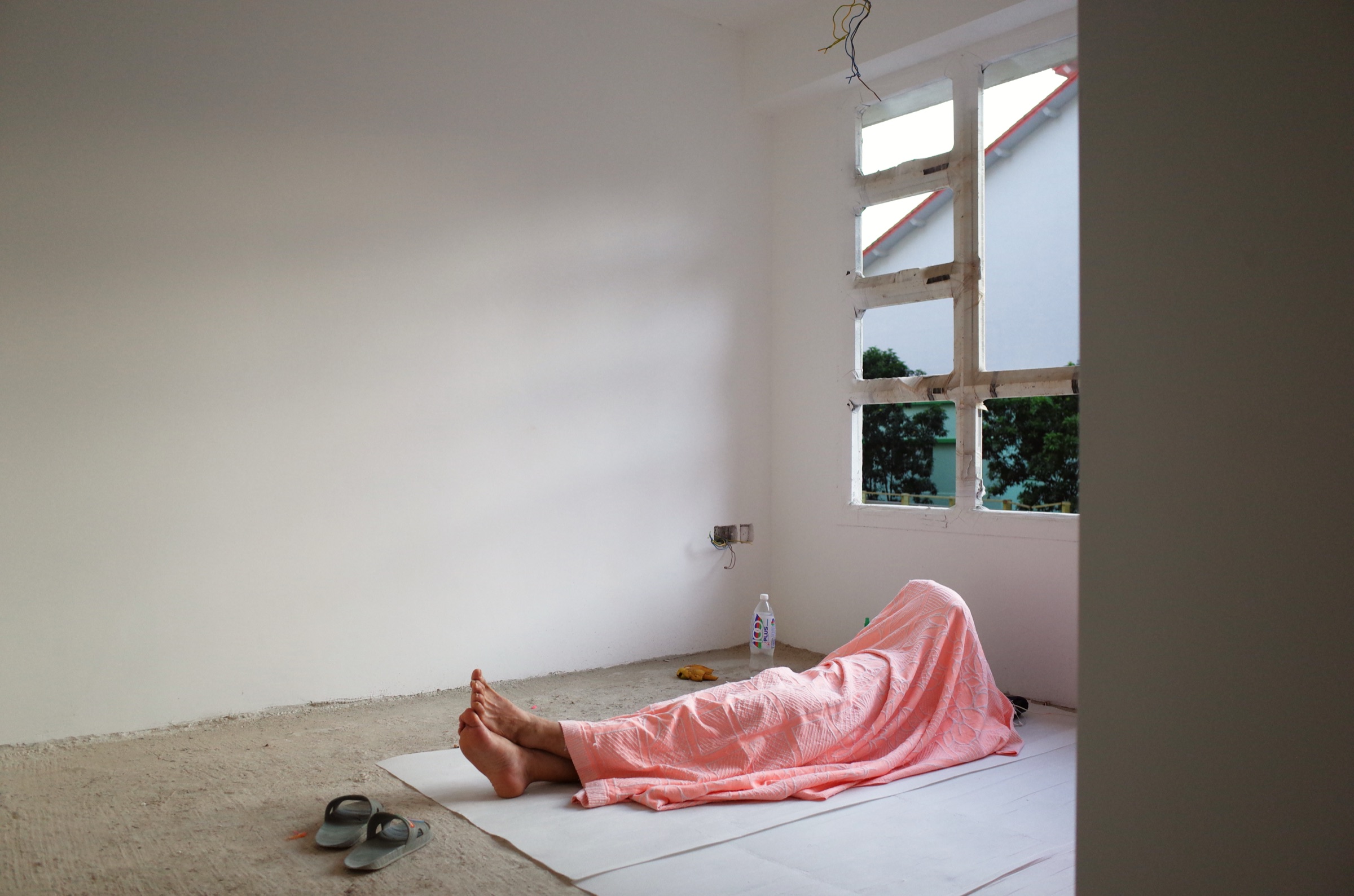
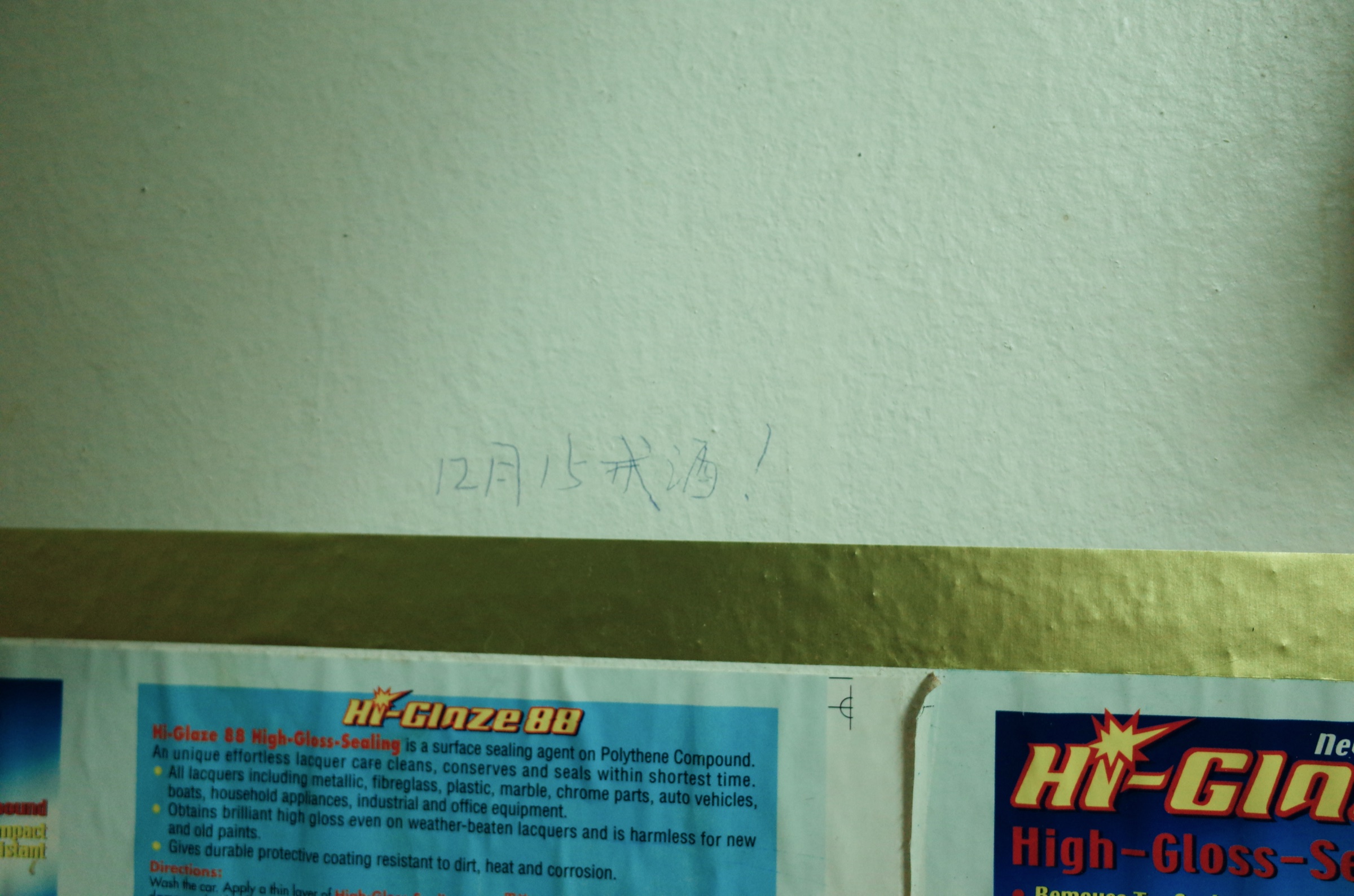
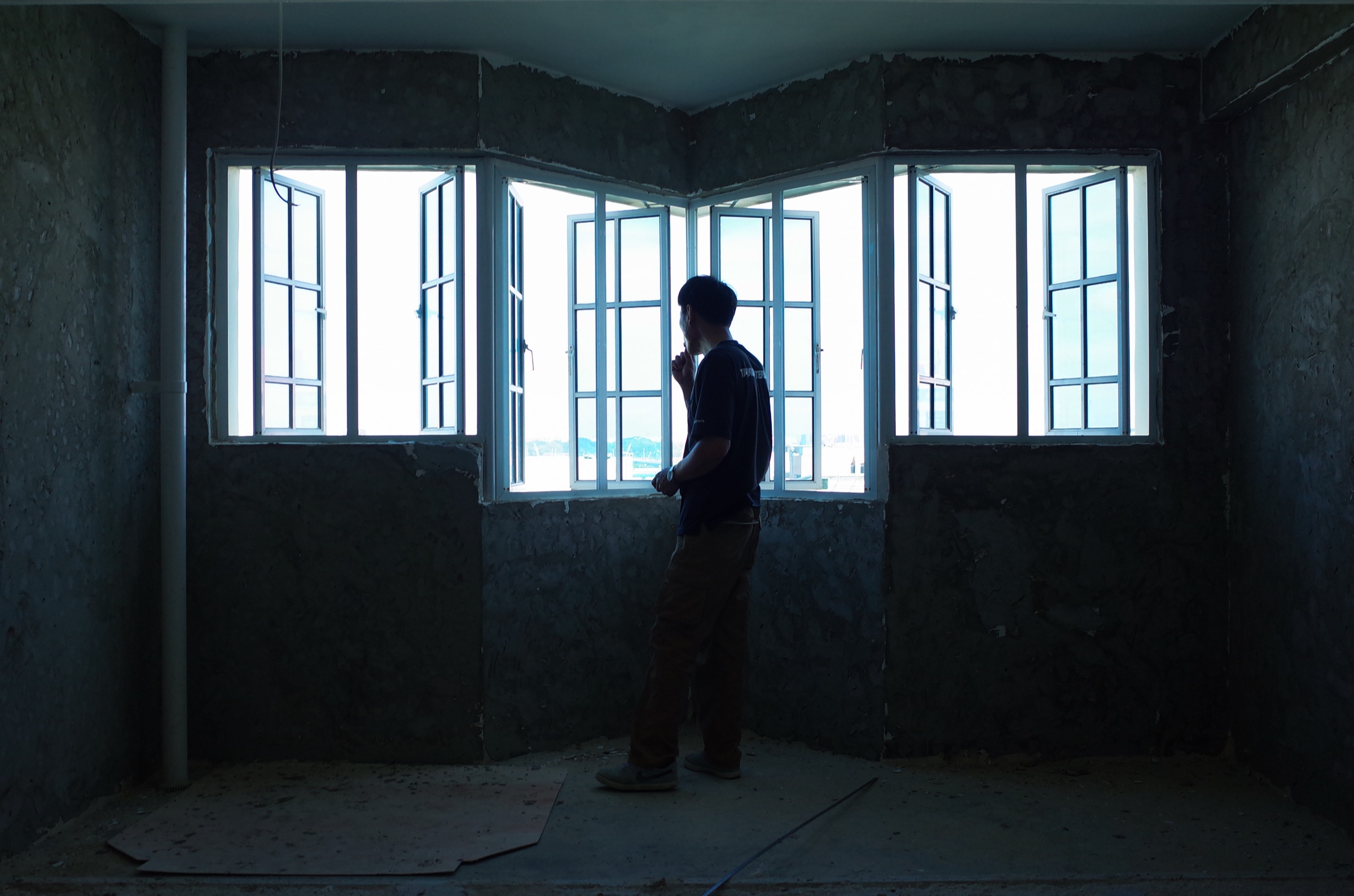
As he grew older, Lao Yang could no longer easily obtain the company-based jobs that provided regular wages and accommodation. He began working as a day labourer and rented a room converted from the space beneath the staircase of a former hotel. Measuring less than five square metres, the room is too low for him to stand upright. Its electrical supply is shared with the neighbouring room, and the circuit fails if both occupants use air conditioning. Lao Yang jokingly refers to it as his “luxury hotel.”
Geylang is home to migrant workers from China, Bangladesh, India, the Philippines, and elsewhere. They build and maintain one of the world’s most highly developed cities, while living in dormitories, construction sites, converted hotel spaces, and other provisional forms of accommodation. Their employment, housing, and legal status remain temporary, even after more than a decade of residence.
The work also examines how transnational labour reshapes family relationships. Lao Yang returns home approximately once every two years. During the periods when his parents, wife, and children most need his presence, he is usually working abroad. Money becomes a primary means of maintaining the family, as well as a measure of responsibility, loyalty, and intimacy. In his words, if a man can still send ten thousand yuan home each month, it proves that he has not formed another relationship overseas.
Deluxe Hotel reflects on a central tension of labour migration: workers improve their families’ material conditions through prolonged absence, while gradually losing the time required to participate in family life. They finance houses in their hometowns and construct buildings in foreign cities, yet their own living spaces remain confined, temporary, and insecure. Through Lao Yang’s room, work, possessions, and family photographs, the project considers how labour, migration, masculinity, and intimacy are reorganised by money and distance.